

The 2026 state elections in Malaysia will act as a critical barometer for federal coalition strength. Results from key states like Kedah, Kelantan, and Selangor could shift the balance of power in Parliament, reshape opposition alliances, and influence policy stability ahead of GE16. Political observers and investors alike should track these state polls as early indicators of national trends. Understanding how local results ripple into federal dynamics is essential for anyone following Malaysia’s evolving political arena.
Malaysia’s political calendar in 2026 is packed with state elections that could change the course of federal politics. While the next general election (GE16) is still a few years away, the state polls scheduled for this year will serve as a major test for the unity government led by Prime Minister Anwar Ibrahim. For analysts, journalists, and investors watching from within the ASEAN region, these elections are not just local affairs. They are a window into the future of coalition politics, policy direction, and national stability.
State elections in Malaysia have always carried weight. But in 2026, their significance is amplified. The current federal government is a coalition of unlikely partners, Pakatan Harapan (PH) and Barisan Nasional (BN), held together by shared interest rather than shared ideology. State polls will reveal whether that alliance can survive the heat of real electoral contests. A strong showing could cement the government’s mandate. A weak one could trigger cracks that eventually split the cabinet.
Why State Elections in 2026 Matter More Than Ever
The Malaysian system separates state and federal elections, but the two levels are deeply connected. When voters cast their ballots for state seats, they often send a signal about their feelings toward the federal government. This is especially true when state polls are held mid-term, between general elections.
In 2026, six states are expected to hold elections: Kedah, Kelantan, Terengganu, Penang, Selangor, and Negeri Sembilan. These states were part of the 2023 wave of elections that saw Perikatan Nasional (PN) make significant gains in the north and east. Now, three years later, the political landscape has shifted. The unity government has had time to deliver policies, manage the economy, and address public sentiment.
Here is why each state matters:
- Kedah and Kelantan: Strongholds for PAS and PN. A loss of seats here would weaken the opposition’s narrative that they are the true voice of conservative Malay voters.
- Terengganu: Another PAS stronghold. The state government’s performance on Islamic governance and economic development will be scrutinized.
- Penang: A PH fortress. A drop in support here could signal urban voters are losing faith in the federal coalition.
- Selangor: The richest and most populous state. It is a key battleground between PH, BN, and PN. Results here directly affect the federal government’s confidence.
- Negeri Sembilan: A mixed state where BN and PH cooperation is being tested at the grassroots level.
How the 2026 State Elections Could Reshape Federal Politics
The most direct impact of these state elections on federal politics is through the prism of coalition stability. Let us break down the three main scenarios.
1. Testing the Unity Government’s Staying Power
The PH-BN alliance is a marriage of convenience. PH brings urban and reformist voters. BN brings rural and traditional Malay support. But in the 2023 state elections, the alliance struggled to win seats in Malay heartland states. If in 2026 the coalition performs poorly again in Kedah, Kelantan, and Terengganu, factions within BN may start questioning the partnership. This could lead to internal pressures that reach the federal cabinet.
At the same time, a strong performance in Selangor and Penang would reassure investors that the government has a solid base. The business community in the Klang Valley watches these elections closely. A decisive win for PH-BN in Selangor could boost confidence in policy continuity.
2. Reshaping the Opposition Bloc
Perikatan Nasional (PAS and Bersatu) has been riding a wave of Malay Muslim support since GE15. But cracks are appearing. PAS is growing stronger internally, which creates tension with Bersatu, the smaller partner. If PN fails to defend its northern states, Bersatu could face an existential crisis. Some of its leaders might be tempted to cross over to the government, following the trend of party hopping.
On the other hand, if PN retains or expands its seats, it will enter GE16 with momentum. The opposition would then shape the federal narrative, forcing the government to adopt more conservative policies to win back ground.
3. Shifting Policy Direction at the Federal Level
State election results often force the federal government to adjust its priorities. For example, if PN wins big in rural states, the unity government may push more funding toward rural development, Islamic affairs, or subsidies for essential goods. If PH-BN does well in urban states, the focus may remain on digital economy, green energy, and institutional reform.
For policy watchers, the 2026 state elections are early indicators of which demographic group holds the most sway. Do Malay voters in the north still strongly prefer PAS? Are Chinese and Indian voters in Selangor still solidly behind PH? The answers will shape budget allocations and legislative agendas for the next two years.
Tracking the Elections: A Practical Guide for Observers
If you are a political analyst, journalist, or investor looking to understand the impact of these state polls, follow this simple process.
-
Monitor pre-election surveys and sentiment on the ground. Social media, local newspapers, and ceramah (political talks) in coffee shops still hold clues. Pay attention to issues like cost of living, education, and religious freedom.
-
Track candidate announcements. The quality of candidates matters. Parties that field fresh, credible faces tend to perform better. Watch for defections or last minute switches between parties.
-
Analyze voter turnout on polling day. Low turnout usually hurts the incumbent. High turnout among young voters could benefit PH or PN depending on the narrative.
-
Compare results with 2023 state election data. Look at vote swings in key constituencies. A 5 to 10 percent swing can flip a state seat and change the federal calculation.
-
Watch for post-election coalition negotiations. If no single coalition wins a clear majority in a state, the formation of a state government will reveal who is willing to work with whom.
Lessons from Past State Elections: What the Numbers Tell Us
To understand the 2026 stakes, it helps to look at a table comparing recent state election outcomes and their federal implications.
| Year | State Elections | Outcome | Federal Impact |
|---|---|---|---|
| 2018 | 12 states (GE14 wave) | PH won most states | Solidified PH federal mandate; caused BN collapse |
| 2020 | Sabah | BN-PN won | Strengthened Muhyiddin’s position at federal level |
| 2021 | Malacca | BN won | Gave BN confidence to push for early GE15 |
| 2022 | Johor | BN won landslide | Accelerated federal instability; led to GE15 |
| 2023 | 6 states | PN held Kedah, Kelantan, Terengganu; PH held Penang, Selangor, Negeri Sembilan | Preserved status quo; prevented early federal election |
The pattern is clear. State election results often predict the direction of federal politics within 12 to 18 months. The 2026 polls are happening three years after the last national election. That makes them even more potent as a signal.
“In Malaysian politics, state elections are never just about the state. They are a proxy war for the federal government. Every vote cast in a state constituency is a vote of confidence or no confidence in the Prime Minister. This is especially true in 2026, when the unity government is still fragile.” — Political analyst Dr. Azmi Hassan, commenting on the 2026 electoral landscape.
Key Factors That Will Influence the 2026 State Elections
Several unique factors will shape how these elections play out.
- Youth voter turnout: Many young Malaysians who voted for the first time in GE15 are now three years older and may have different priorities. Unemployment and housing costs are top of mind for them.
- Cost of living: Inflation and subsidy rationalization policies from the federal government will be a major talking point in every state.
- Digital campaign effectiveness: Both PH and PN have strong social media arms. The quality of TikTok campaigns and WhatsApp messaging could sway undecided voters.
- Internal party dynamics: Umno’s ongoing recovery, DAP’s urban outreach, and PAS’s conservative push will all be tested.
What Happens After the Results Are Announced
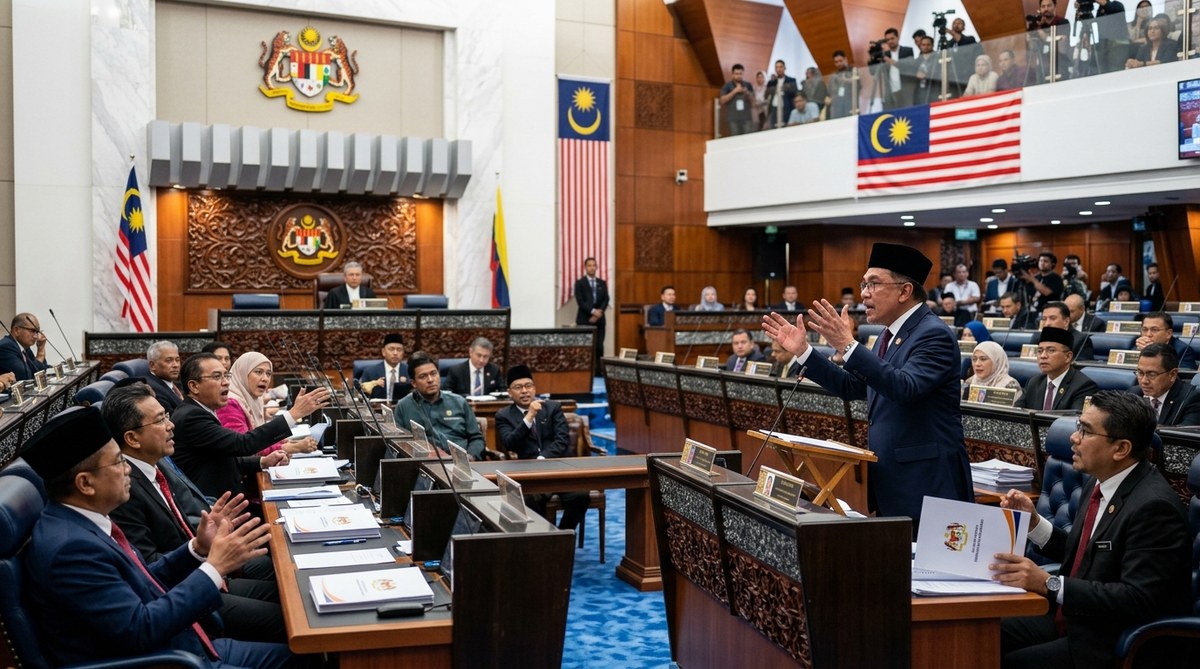
Once the dust settles, the focus will shift immediately to the federal level. If the unity government performs well, expect a period of stability. The Prime Minister may even call a cabinet reshuffle to reward loyal allies. If the opposition does well, expect more noise in Parliament. Confidence votes, policy blocks, and no confidence motions could become more frequent.
For investors, a weak showing by the government may lead to market volatility. The ringgit could weaken. Foreign direct investment decisions might be postponed as companies wait for political clarity. Conversely, a strong mandate could boost confidence in Malaysia’s business environment.
For more on how these shifts affect the national mood, read our analysis on Malaysia’s political stability in 2026. You might also find useful insights in our piece on deciphering Malaysia’s political shifts.
The Role of Civil Service Reform in the 2026 Context
One often overlooked aspect is how state elections interact with governance reforms. The current federal government has launched several civil service reforms aimed at reducing red tape and improving delivery. These reforms are popular in urban states but face resistance in rural areas where patronage politics still holds sway.
State election results could either accelerate or slow these reforms. If PH-BN wins in states like Selangor and Penang, reformists within the government will have more leverage. If PN wins in those same states, expect pushback.
To understand the broader governance picture, check out our analysis on how Malaysia’s civil service reform is redefining governance in 2026.
Preparing for the 2026 State Election Season
If you are following Malaysian politics for professional or personal reasons, now is the time to prepare. Bookmark reliable sources. Follow local journalists who cover state politics. Join discussion groups that focus on specific constituencies.
Pay special attention to the nomination day period. That is when surprises happen. Candidates are announced, alliances shift, and the real campaign begins. The first week of campaigning often sets the tone for the entire election.
Looking Ahead: The Path to GE16
The 2026 state elections are not the final act. They are the opening scene of the next general election cycle. How parties perform here will determine their strategies for GE16. Leaders will be made or broken. Alliances will be tested. And voters will have a chance to send a clear message about the direction they want for Malaysia.
For anyone interested in how these developments affect the broader ASEAN region, we recommend reading our analysis on analyzing Malaysia’s role in shaping Southeast Asia’s diplomatic landscape.
Your Next Step
Keep your eyes on the ground. Whether you are in Kuala Lumpur or Kota Bharu, the 2026 state elections will affect your future. Watch for the signs. Talk to your neighbours. Read the news with a critical eye. The outcome of these elections will tell us a lot about where Malaysia is headed in the years to come. Stay informed. Stay engaged. And most importantly, make sure your voice is heard when the time comes to vote.









Leave a Reply