

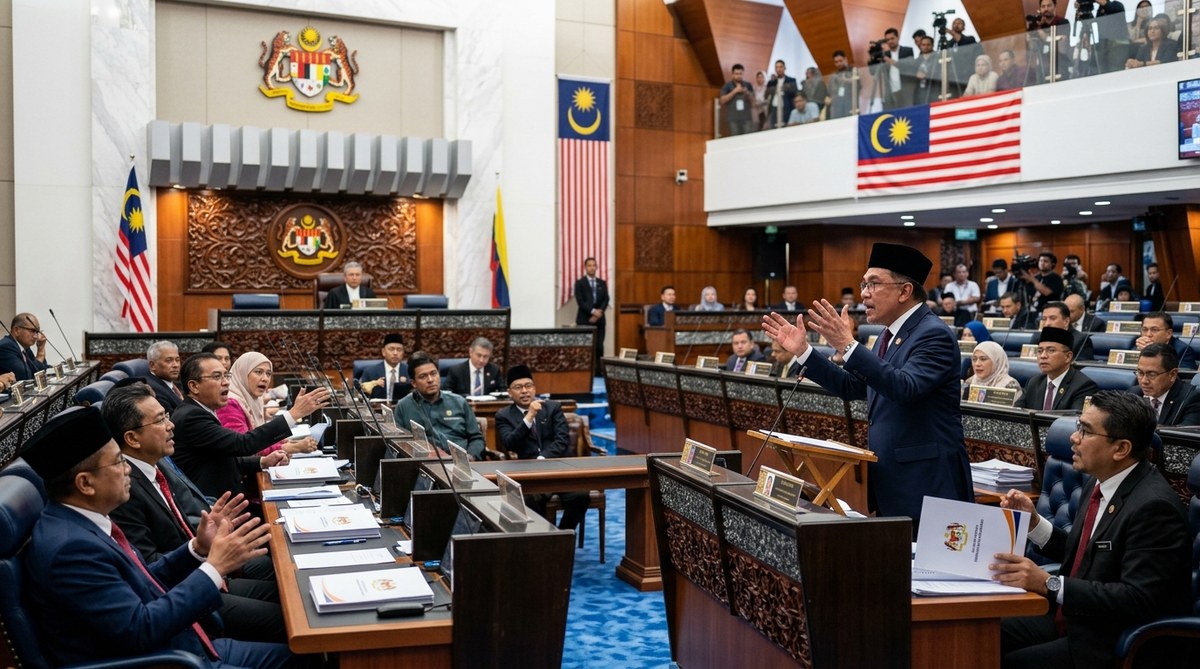
The Prime Minister stood at the podium, a familiar binder in hand. Across Malaysia, phones buzzed with notifications. Another cabinet reshuffle was underway. For many of us, these announcements feel like a game of musical chairs. But beneath the surface, the Malaysia cabinet reshuffle 2026 tells a deeper story about power, loyalty, and the future of our coalition government. It is not just about who gets which portfolio. It is a mirror reflecting the shifting alliances that define our political landscape today.
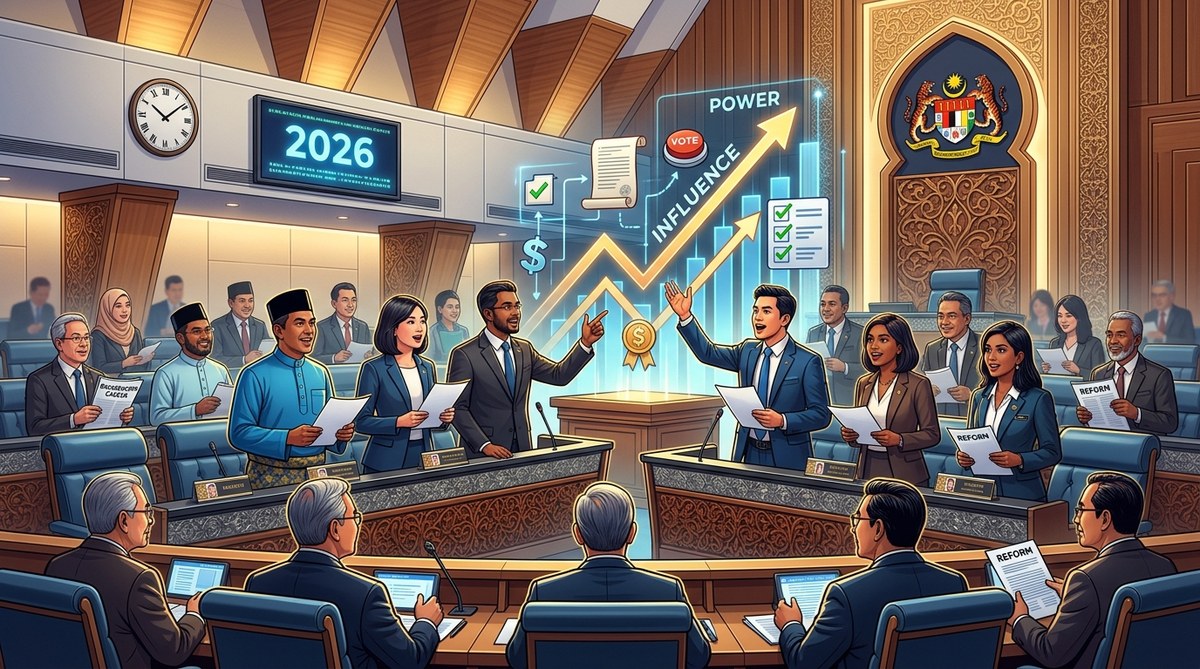
The Malaysia cabinet reshuffle 2026 is a strategic response to growing tensions within the ruling coalition. By reassigning key portfolios, the government aims to balance factions, reward loyalty, and prepare for upcoming state elections. Understanding these moves helps voters and analysts predict policy shifts and the stability of the current administration.
Why This Reshuffle Feels Different
Every cabinet reshuffle has a purpose. Some are routine. Others are damage control. The 2026 reshuffle falls into a third category: it is proactive. The ruling coalition faces internal friction. Factions that were once aligned now pull in different directions. The economy, rising living costs, and the upcoming elections in several states have forced the Prime Minister’s hand.
Look at the portfolios that changed hands. The Finance Ministry, the Ministry of Domestic Trade and Cost of Living, and the Ministry of Agriculture and Food Security all saw new faces. These are not random choices. Each appointment sends a signal to specific voter blocs and party strongmen.
For example, the new Minister of Agriculture comes from a party with strong rural support. This move aims to reassure farmers and smallholders in the lead up to the state elections in Kedah and Kelantan. Similarly, the appointment of a younger figure to the Ministry of Youth and Sports is a clear nod to the growing influence of first time voters and digital savvy Malaysians.
The Core Drivers Behind the Changes
To understand the Malaysia cabinet reshuffle 2026, you need to look at three main factors.
-
Internal Coalition Dynamics. The partnership between the major parties in the government is not always smooth. There are disagreements over subsidy reforms, the civil service pension scheme, and the pace of economic liberalization. The reshuffle rewards those who have shown loyalty and sidelines those who have been vocal in their dissent. It is a classic move to consolidate power.
-
Electoral Calculus. State elections are on the horizon. The government needs to present a united front. By placing popular figures in key ministries, they hope to boost approval ratings. They also want to deny the opposition easy targets. A minister who is seen as effective can sway voters in marginal seats.
-
Policy Priorities. The government has set ambitious targets for 2026. These include reducing the fiscal deficit, attracting higher quality foreign direct investment, and implementing the National Energy Transition Roadmap. A reshuffle allows the Prime Minister to put people with the right expertise in charge. It is a signal to investors that the government is serious about reform.
“A cabinet reshuffle is the most visible tool a Prime Minister has to reset the political narrative. It is not just about administration. It is about messaging. Every appointment is a statement about who holds power and where the government is heading.” — Dr. Aminah Yusof, Political Analyst at Universiti Malaya.
How to Read a Cabinet Reshuffle Like an Analyst
You do not need to be a political insider to understand what is happening. Here is a simple framework.
- Track the winners and losers. Who got a promotion? Who was moved sideways? Who was dropped entirely? These are the clearest signals of internal standing.
- Look at the ministries that changed. A change at the Finance Ministry is always significant. So is a change at the Home Ministry. These are the levers of power.
- Notice the demographics. Is the cabinet getting younger? More diverse? More representative of Sabah and Sarawak? These choices reflect the coalition’s electoral strategy.
- Watch the timing. A reshuffle right before a budget announcement or a state election is always politically motivated.
Now, let us look at a comparison of how different types of reshuffles work.
| Type of Reshuffle | Primary Goal | Typical Timing | Example Signal |
|---|---|---|---|
| Consolidation | Strengthen PM’s control | After internal party challenges | Moving a rival to a less influential post |
| Refresh | Boost public image | Before elections or major policy launch | Bringing in younger or popular figures |
| Crisis Response | Manage a scandal or failure | Immediately after a controversy | Replacing a minister who mishandled a crisis |
| Performance Based | Improve government delivery | Mid term, based on KPI reviews | Promoting ministers who met targets |
The 2026 reshuffle is a blend of consolidation and refresh. The PM needed to assert authority while also presenting a new face to the public.
The Role of Sabah and Sarawak
One of the most interesting aspects of the Malaysia cabinet reshuffle 2026 is the treatment of East Malaysia. The parties from Sabah and Sarawak have grown more assertive. They want a bigger share of federal power and resources. This reshuffle gave them exactly that.
Several key deputy minister posts went to MPs from Sabah and Sarawak. More importantly, the Minister in the Prime Minister’s Department for Sabah and Sarawak Affairs was given a clearer mandate. This is not charity. It is a strategic necessity. The federal government relies on the support of East Malaysian blocs to maintain its majority. If those blocs feel ignored, the coalition could fracture.
This trend is likely to continue. As we discussed in our piece on is Sabah and Sarawak’s growing political voice shifting federal power in 2026, the balance of power is gradually tilting eastward.
What This Means for Policy
A reshuffle is not just about people. It is about direction. The new cabinet lineup gives us clues about the government’s priorities for the rest of 2026.
- Economic Management. The new Finance Minister is seen as a technocrat. Expect a continued focus on fiscal consolidation. The government will likely push ahead with the gradual removal of blanket subsidies, focusing targeted aid instead.
- Cost of Living. The new Domestic Trade Minister has a reputation for being consumer friendly. We may see more aggressive action against cartels and price fixing. The government needs to show it is tackling inflation.
- Agriculture and Food Security. This is a big one. With global food prices still volatile, the new minister will be under pressure to boost local production. Expect more funding for paddy farmers and livestock breeders.
- Digital and Youth. The new Minister of Youth and Sports is young and active on social media. This signals a push to engage with Gen Z voters. We might see new initiatives around digital literacy and e sports.
For a broader view of how these policy shifts connect, read our analysis on 5 surprising policy shifts under the current Malaysian government.
The Opposition’s Reaction
The opposition was predictably critical. They argued the reshuffle was a cosmetic exercise. They pointed out that the same coalition remains in power. But their criticism lacked bite. Why? Because the reshuffle removed some of their best targets. Popular ministers were put in charge of sensitive portfolios. It is harder to attack a government that looks competent.
The opposition is now struggling to find a new angle. They are focusing on the fact that the government has not called for a general election. They argue that the reshuffle is an admission of weakness. But for now, the government seems to have regained the initiative.
For more on the opposition’s challenges, check out our article on why is Malaysia’s opposition struggling to gain traction in 2026.
What to Watch Next
The Malaysia cabinet reshuffle 2026 is not the end of the story. It is the beginning of a new chapter. Here is what you should keep an eye on.
- The next 100 days. Watch how the new ministers perform. Will they deliver on early promises? Any misstep will be magnified.
- By elections. A few MPs were dropped from the cabinet. Some may consider leaving the party. By elections in their seats could test the government’s popularity.
- The Budget. The upcoming budget will be the first major test for the new economic team. It will show whether the reshuffle was about style or substance.
- Party conferences. The annual general assemblies of the major coalition parties will reveal whether the reshuffle has calmed internal tensions. If there is still open dissent, the PM may need to act again.
Understanding the Bigger Picture
A cabinet reshuffle is a snapshot of a government’s health. It shows who is rising and who is falling. It reveals the fault lines within a coalition. And it gives us a preview of the policies to come.
For the average Malaysian, these changes might feel distant. But they affect your daily life. The price of chicken. The cost of petrol. The quality of internet. The value of the ringgit. All of these are shaped by the people sitting in those ministerial chairs.
That is why it pays to pay attention. You do not need to be a political analyst to understand the game. You just need to know what to look for. Start with the winners and losers. Look at the portfolios that changed. Consider the timing. And always ask: who benefits?
For a deeper understanding of the foundations of this shift, read our guide on deciphering Malaysia’s political shifts what Malaysians need to know.
How This Reshape Will Affect You Directly
Let us make it personal. Here are three ways the cabinet reshuffle 2026 might touch your life.
- Your Wallet. With a new team at the Domestic Trade Ministry, expect more checks on prices at your local pasar and supermarket. The government wants to show it is fighting inflation.
- Your Job. The new Minister of Investment, Trade and Industry is pushing for more high tech manufacturing. This could mean new job opportunities in Penang, Johor, and the Klang Valley.
- Your Future. The focus on youth and digital skills means more government programs for training and upskilling. If you are a fresh graduate or looking to switch careers, keep an eye on MyFutureJobs and similar platforms.
The reshuffle is not an abstract political event. It has real consequences. The key is to stay informed and adapt.
The Path Forward for Malaysia’s Coalition
The Malaysia cabinet reshuffle 2026 has bought the government some time. It has addressed some internal grievances. It has presented a more united front. But the underlying tensions have not disappeared. The coalition remains a marriage of convenience for many of its members.
The real test will come in the next state elections. If the government performs well, the reshuffle will be seen as a masterstroke. If it loses ground, the knives will come out again.
For now, the PM has consolidated his position. The new team is in place. The work begins. And as always, we will be watching.
To stay updated on these developments, follow our coverage on how Malaysia’s political landscape will evolve in 2026.
A Final Word on Staying Informed
Politics can feel like a soap opera. There are twists, betrayals, and dramatic comebacks. But it is also the engine that drives our nation. The decisions made in Putrajaya shape the opportunities available to you and your family.
So the next time you see news about a cabinet reshuffle, do not just scroll past. Take a moment to read the analysis. Ask yourself why a certain person was chosen. Think about what it means for the issues you care about. That small effort will make you a more informed citizen. And in a democracy, that is the most powerful thing you can be.




Leave a Reply