
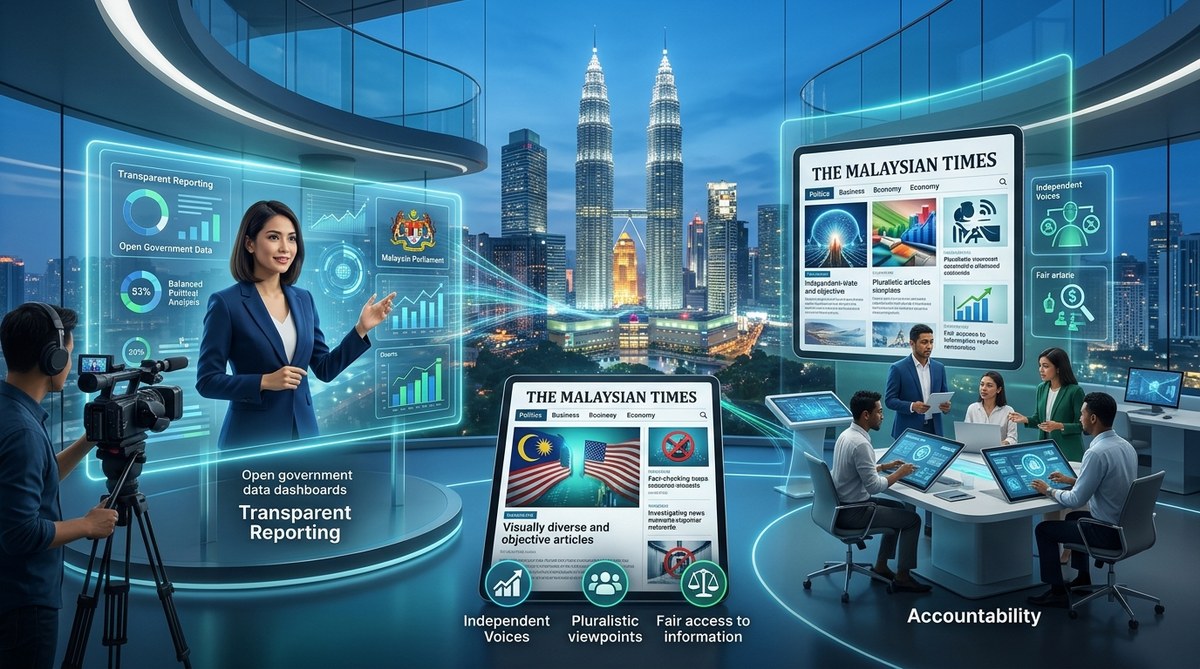
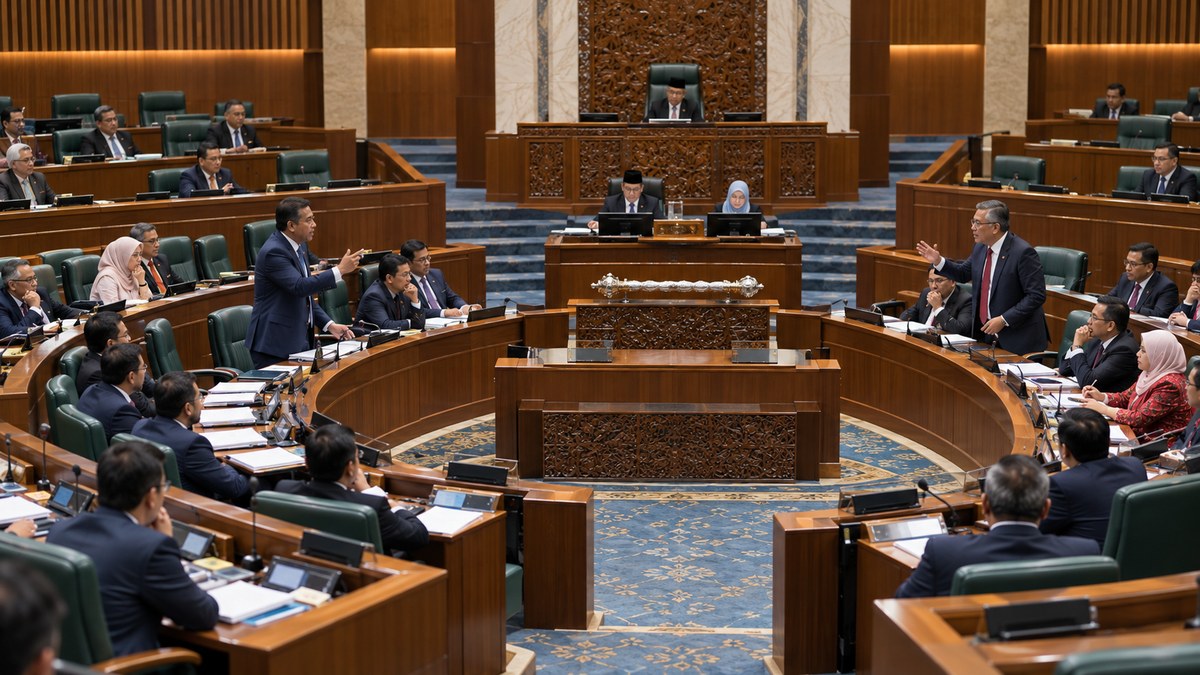
Parliament is set to debate at least three major bills in 2026 that could change how political news is reported in Malaysia. For journalists, academics, and citizens who follow the twists of Malaysian politics, these laws represent a fork in the road. One path leads to more transparent coverage of election campaigns. The other could tighten the boundaries of what can be said about politicians and policies. Let us look at what is actually in these bills and how they might affect the way you consume political news.
Malaysia’s 2026 media freedom bills target three areas: licensing rules for online news portals, protections for journalistic sources, and penalties for spreading false political content. If passed, they could give voters more balanced information before the next general election. But some clauses raise concerns about government control over political coverage. Understanding these bills now helps you track how your news might change.
What the Three Bills Actually Propose
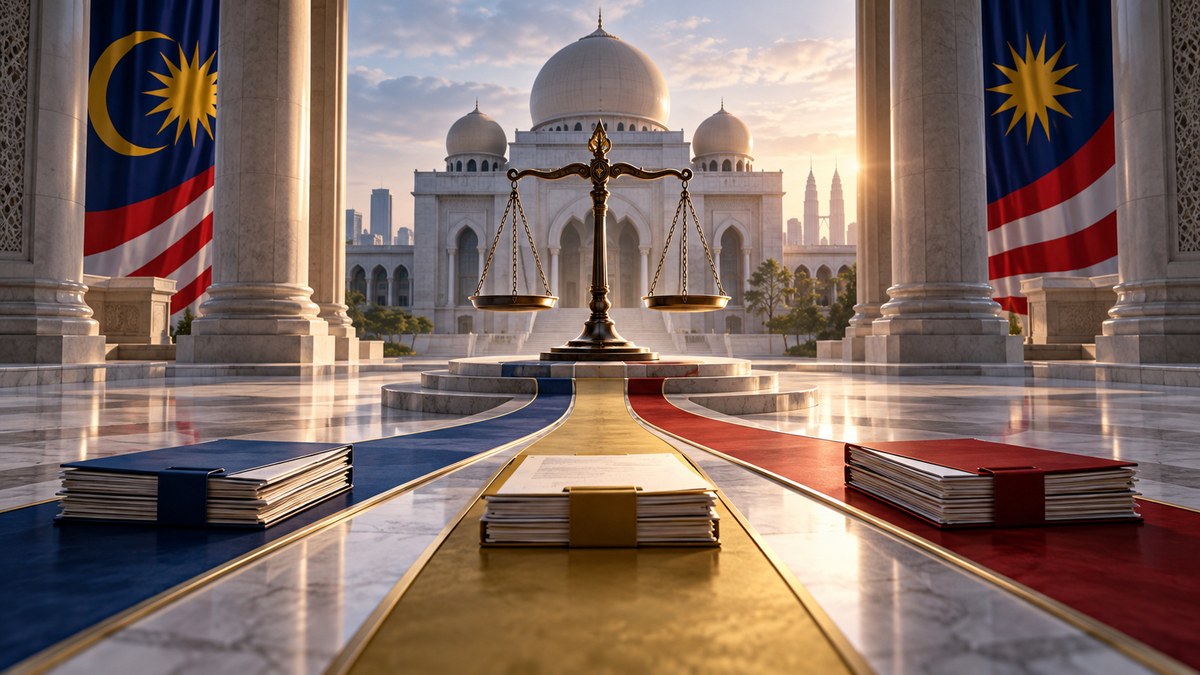
The legislative package making its way through the Dewan Rakyat this year is not a single law. It is a set of separate but connected bills. Each one targets a different part of the media landscape.
1. The Media Council Bill 2026
This bill creates a self regulatory body for the press. Instead of the government directly policing news outlets, the Media Council would be made up of journalists, editors, and public representatives. The council would set ethical standards and handle complaints. For political coverage, this means newsrooms could push back against pressure from political parties by pointing to council guidelines. The catch is that membership in the council is voluntary. Outlets that choose not to join would not be bound by its rules.
2. The Protection of Sources Bill 2026
This proposed law aims to shield journalists from being forced to reveal who gave them information. For political reporters, this is a big deal. Whistleblowers inside government agencies or political parties often provide the documents that lead to major stories about corruption or policy failures. Without source protection, those insiders stay silent. The bill includes exceptions for national security cases, which has some media freedom groups worried.
3. The Online Media Licensing (Amendment) Bill 2026
This amendment updates the rules for digital news platforms. Currently, many online news sites operate without a specific license. The new rules would require them to register and follow a code of conduct. Supporters say this will stop fake news farms that spread lies during election seasons. Critics argue it could be used to shut down independent outlets that publish stories the government does not like.
How Political Coverage Could Shift
The real test of these bills will come during the next election cycle. Here is how each one might change what you see in your news feed.
More Investigative Journalism on Corruption
With source protection in place, journalists might feel safer digging into corruption allegations. Think about the 1MDB scandal. Reporters relied heavily on leaked documents and anonymous tips. If the Protection of Sources Bill had existed then, some of those leaks might have been easier to publish without fear of legal retaliation. In 2026, a similar case could be reported more thoroughly.
“Source protection is the oxygen of investigative reporting. Without it, the public only gets the official version of events.” – A senior editor at a Kuala Lumpur based newsroom, speaking on condition of anonymity.
Less Partisan Content on Social Media
The Media Council could set standards for political advertising and sponsored content. During the 2022 general election, many voters complained about misleading ads on Facebook and WhatsApp. Under the new rules, the council could require political content to be clearly labelled. Voters would know who paid for an article or video before they click.
Risk of Self Censorship
Some editors worry that the online licensing rules will make them play it safe. If a news portal risks losing its license over a controversial story, the editor might choose not to publish it at all. This is the tension at the heart of the 2026 bills. They promise more freedom in some areas while creating new controls in others.
A Practical Guide for Tracking the Bills
If you want to follow these bills as they move through Parliament, here is a simple process.
-
Check the Parliament website weekly. The Dewan Rakyat calendar shows when bills are scheduled for debate. Look for the three bill names mentioned above.
-
Follow the parliamentary select committee on communications. This committee reviews media related laws. Its meetings are sometimes streamed online. Watch for their report on each bill.
-
Read the full text of each bill. The official versions are published on the Attorney General’s Chambers website. Do not rely only on news summaries. The details in the fine print matter.
-
Compare the final version to the first draft. Amendments happen during the committee stage. The bill that passes might look different from the one introduced.
What Journalists and Academics Are Saying
The response from media professionals has been mixed. Some see the Media Council as a chance to clean up the industry. Others view the licensing rules as a step backward.
| Aspect | Media Council Bill | Protection of Sources Bill | Online Licensing Bill |
|---|---|---|---|
| Main goal | Self regulation | Whistleblower protection | Platform accountability |
| Risk | Weak enforcement | National security loopholes | Government overreach |
| Benefit | Industry standards | More investigative stories | Less fake news |
| Support level (among journalists) | Moderate | High | Low |
How Voters Can Use This Information
You do not need to be a journalist to care about these laws. The way political news is reported affects how you vote. Here are a few things you can do right now.
- Bookmark the websites of outlets that have publicly supported the Media Council bill. They are likely committed to ethical reporting.
- Watch for news about amendments to the Protection of Sources Bill. If the national security exceptions are too broad, the law will be weak.
- Share this article with friends who follow politics. The more people understand these bills, the harder it is for any government to quietly change the rules.
For a broader view of how these laws fit into the bigger picture, you might want to read our analysis on understanding Malaysia’s political landscape post-elections. It explains how media regulation connects to coalition politics.
What the Next Election Could Look Like
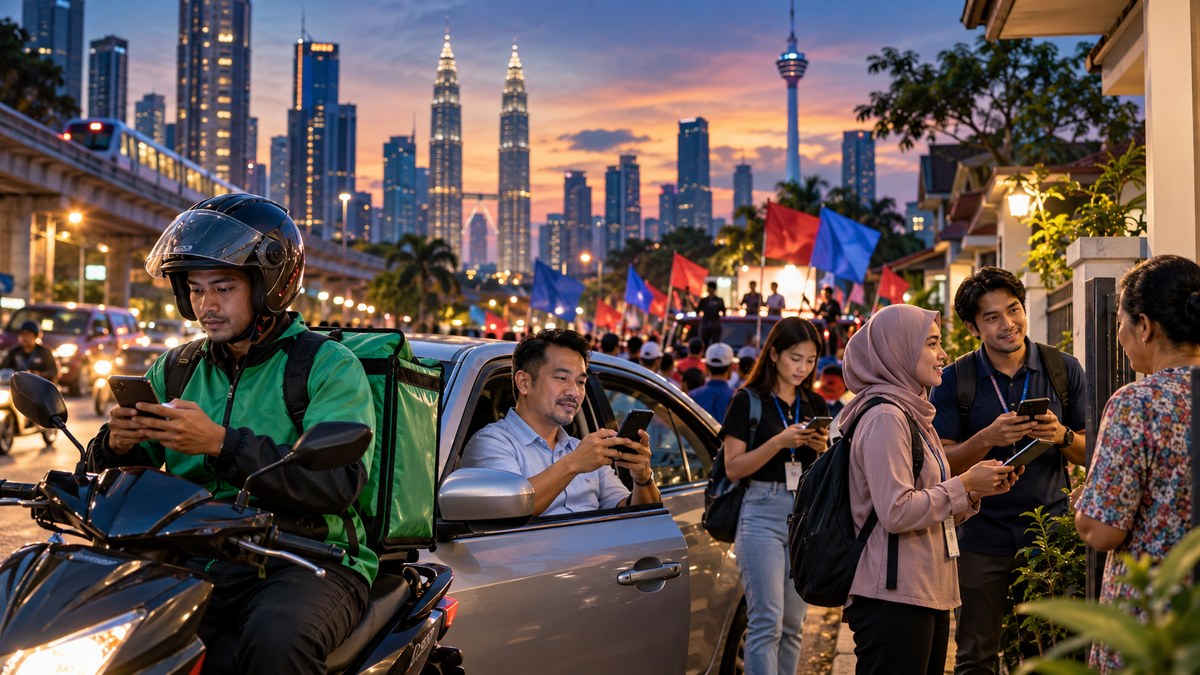
Imagine the 2026 general election campaign. You open your phone and see a news article about a candidate’s past business dealings. Under the new rules, that article would have to be clearly labelled if it is sponsored by a political party. You would know whether it is journalism or advertising.
Now imagine a reporter gets a tip about a government contract being awarded unfairly. With source protection, the reporter can publish the story without revealing who leaked the documents. The public gets to see the evidence before voting.
But also imagine this. A small news blog that criticizes the government too often gets flagged for violating the online code of conduct. Its license is suspended during the campaign period. Voters lose access to a critical voice.
That is the range of outcomes these bills could produce.
Staying Informed in 2026 and Beyond
The best way to protect media freedom is to be an engaged reader. Follow the debate in Parliament. Read the bills yourself. Talk to journalists about what they think.
If you want to go deeper into how political parties are adapting their communication strategies, check out our piece on how Malaysia’s political parties are using digital campaigns in 2026. It covers the other side of the equation.
The Malaysia media freedom bills 2026 are not just legal documents. They are the rules that will shape how you learn about your government. Pay attention now, so you know what changed when the next election comes around.



Leave a Reply