

The Malaysia National Security Bill 2026 has been a hot topic in political circles since it was tabled in Parliament. It promises to streamline national security responses. But critics say it hands too much authority to the executive branch. For policy analysts and legal scholars, the bill represents a major shift in how Malaysia governs during crises. For the average Malaysian, it raises a simple question: who holds the power when things go wrong? Let’s break down the three most significant ways this legislation is changing the balance of power.
The Malaysia National Security Bill 2026 expands executive powers by centralising crisis command under the Prime Minister, limiting parliamentary oversight during declared security events, and granting authority to bypass standard procurement laws. This reshaping of executive authority aims for faster responses but raises serious questions about democratic checks and balances in Malaysia.
Centralising Crisis Command Under the Prime Minister
The most direct change in the Malaysia National Security Bill 2026 is how it centralises decision making. In the past, managing a national security crisis involved multiple agencies. The police, the military, the National Security Council, and various ministries all had a say. This created coordination problems. During the 2021 floods, for example, slow response times were blamed on overlapping commands.
Under the new bill, the Prime Minister becomes the single point of authority for all security operations. This means one person can direct the police, the armed forces, and civil servants without needing cabinet approval for every step. Supporters argue this cuts red tape. When a crisis hits, every minute counts. A centralised command can deploy resources faster.
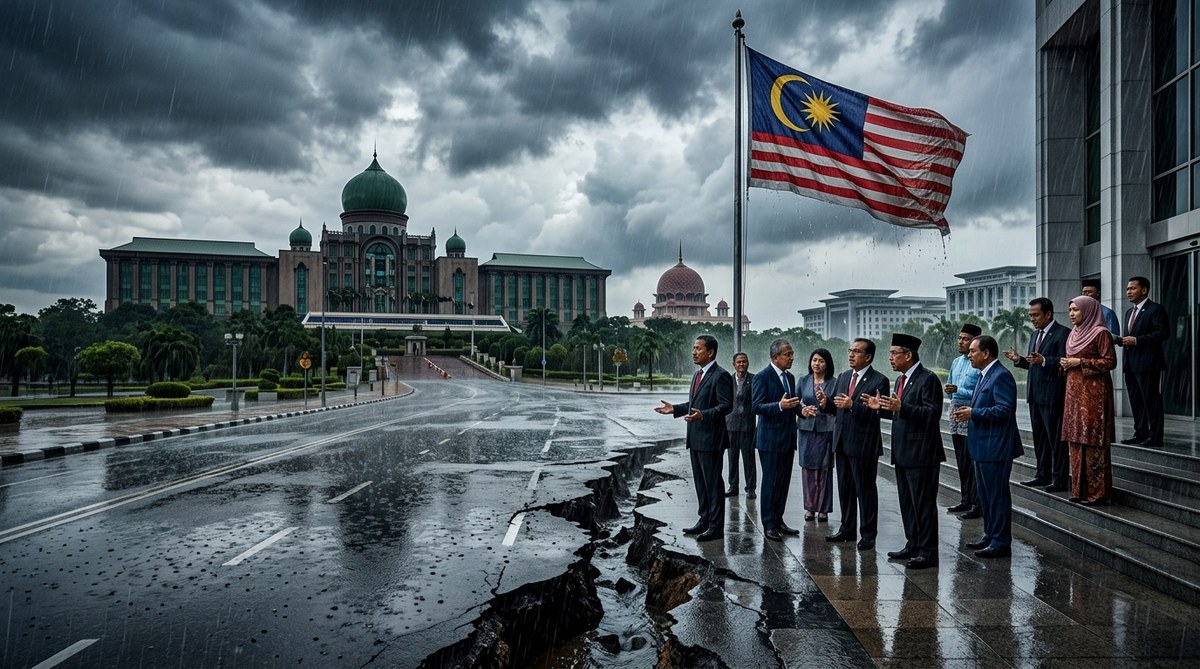
But this concentration of power worries legal scholars. They point out that the bill does not define “national security” narrowly. A health emergency, a cyber attack, or even a large protest could be declared a security event. Once that declaration is made, the Prime Minister’s powers become almost absolute within that scope. There is no requirement for a parliamentary vote to confirm the declaration.
Here is a practical example of how this might work:
- A major cyber attack targets Malaysia’s banking system.
- The Prime Minister declares a national security event.
- The Prime Minister can then order Bank Negara to freeze accounts, instruct MCMC to shut down networks, and direct the police to detain suspects without a warrant.
- These orders are legally binding and cannot be challenged in court until after the event ends.
This process is designed for speed. But it bypasses the usual checks that involve cabinet discussion and parliamentary debate.
Limiting Parliamentary Oversight During Security Events
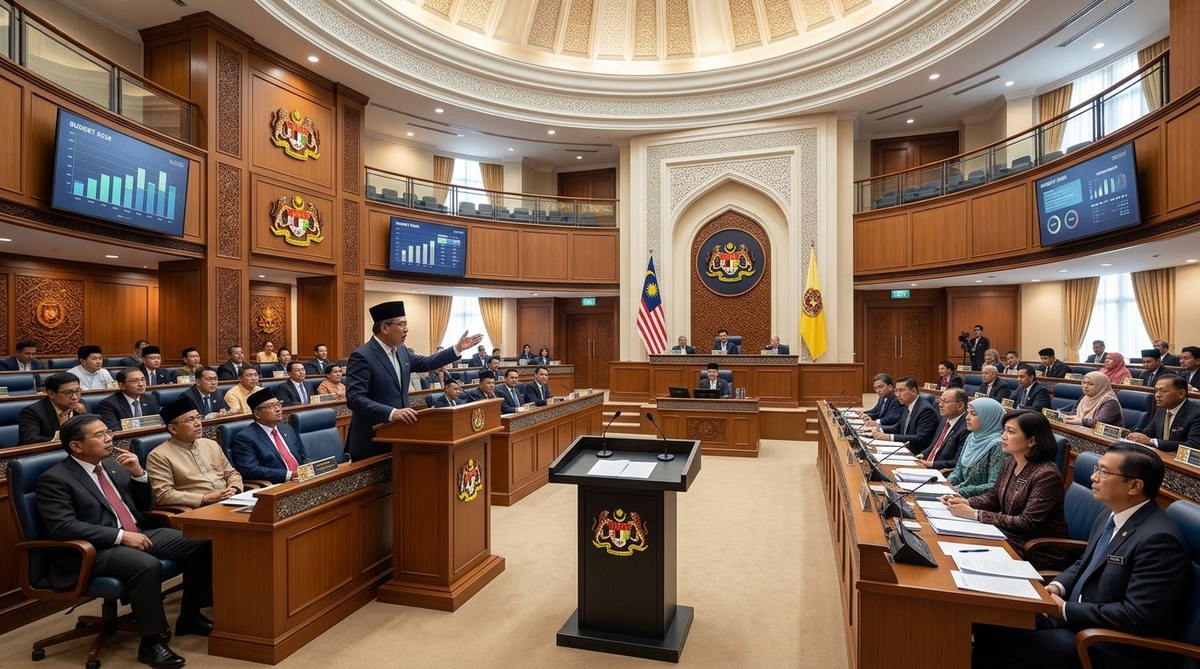
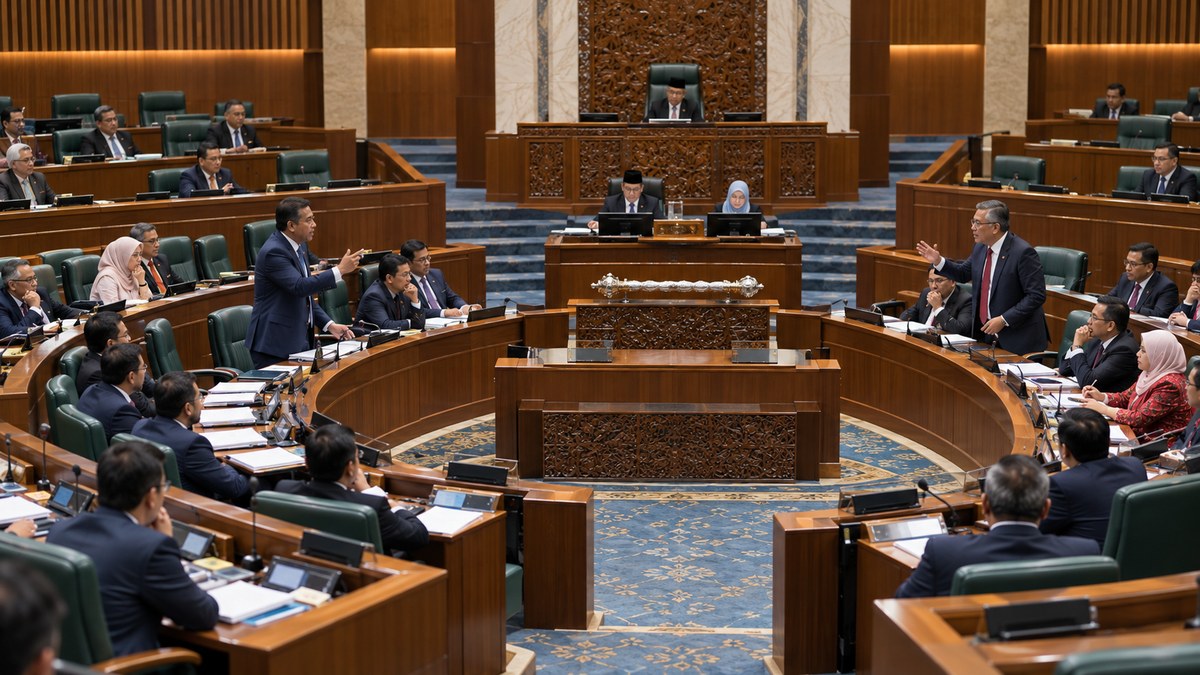
The second big shift in the Malaysia National Security Bill 2026 concerns Parliament itself. During a declared security event, the bill allows the executive to suspend certain parliamentary functions. This includes the ability to pass laws without a full debate. It also limits the power of parliamentary select committees to investigate the government’s actions.
For example, if a security event lasts six months, Parliament cannot hold the government accountable through questions or inquiries during that period. The bill states that the Prime Minister must inform Parliament of the declaration within seven days. But after that, the legislature has no formal role until the declaration ends.
This is a significant change from Malaysia’s usual system. Normally, the Dewan Rakyat can call ministers to answer questions. Select committees like the Public Accounts Committee can investigate spending. Under the new bill, these functions are paused for matters related to the security event.
Legal experts have raised concerns about this. They argue that a lack of oversight can lead to abuse. Without parliamentary scrutiny, there is no independent check on how the executive uses its expanded powers. The only recourse is the courts, and even then, the bill limits judicial review during the event.
| Area | Before the Bill | After the Bill |
|---|---|---|
| Crisis Command | Multi-agency, shared authority | Single authority under PM |
| Parliamentary Role | Full oversight and debate | Suspended during security events |
| Judicial Review | Open to challenge at any time | Restricted during security events |
| Procurement | Standard government rules | Bypassed for national security needs |
Bypassing Standard Procurement and Spending Rules
The third way the Malaysia National Security Bill 2026 reshapes executive powers is through financial control. During a security event, the government can bypass standard procurement laws. This means contracts can be awarded without an open tender. Spending limits set by the Ministry of Finance can be ignored.
This provision is intended for emergencies. If Malaysia needs to buy medical supplies, repair infrastructure after a disaster, or acquire military equipment quickly, the government should not have to wait for a tender process. That makes sense in theory.
But the risk is obvious. Without open tender, there is a higher chance of corruption. Money can flow to connected companies without competition. The bill does not require the government to publish details of these contracts until after the security event ends. And even then, some information can be kept secret on grounds of national security.
For business owners and contractors in Malaysia, this changes the landscape. Government contracts during a crisis will no longer follow the usual rules. Smaller companies without political connections may find it harder to compete.
“The National Security Bill 2026 creates a parallel system of governance that operates outside the normal checks and balances of our democracy. While the intention may be efficiency, the result could be a significant erosion of accountability.” – Professor Dato’ Dr. Siti Zubaidah, Faculty of Law, Universiti Malaya.
What This Means for Malaysia’s Governance
The Malaysia National Security Bill 2026 is a response to real problems. Coordination during crises has been a weakness in Malaysia for years. The 2021 floods, the COVID-19 pandemic, and even the 2024 water crisis in Selangor all showed that the government struggled to act decisively.
But the solution the bill offers comes with trade offs. It gives the executive branch powers that were previously shared between Parliament, the cabinet, and the courts. For policy analysts and political observers, the key question is whether the safeguards in the bill are strong enough.
The bill includes a sunset clause. The security event declaration lasts for a maximum of six months. It can be extended, but only with parliamentary approval after the first six months. This is a check, but it is a weak one. By the time Parliament votes, the government will have already exercised its powers for half a year.
There is also a provision for judicial review after the event. Citizens or companies affected by the government’s actions can challenge them in court once the security event ends. But legal scholars note that this is cold comfort. If a company lost a contract because of a non tender decision, winning a court case months later does not undo the damage.
For those tracking changes in Malaysian governance, this bill is a landmark. It shifts the balance of power in a way not seen since the Internal Security Act was repealed. To understand how this fits into the bigger picture, you can read more about how Malaysia’s political landscape is being reshaped by the cost of living crisis. The economic pressures on the government make it more likely that security declarations will be used broadly.
How the Bill Affects Different Groups
Different audiences will feel the impact of this bill in different ways.
- Policy analysts need to watch how the government defines “national security.” A broad definition could allow the executive to use these powers for political purposes.
- Legal scholars should focus on the judicial review restrictions. The bill limits when and how courts can intervene. This could set a precedent for future laws.
- Journalists covering national security will find it harder to get information. The bill allows the government to classify more documents as secret.
- Business owners who rely on government contracts should prepare for a system where open tenders are not guaranteed during crises.
If you are following the political shifts in Malaysia, this bill is a key piece of the puzzle. It interacts with other recent changes. For example, the 3 major shifts in Malaysia’s counter-corruption policies under the current government show a tension. On one hand, the government wants to fight corruption. On the other hand, this bill removes competitive bidding, which is a common source of graft.
A New Era for Executive Authority in Malaysia
The Malaysia National Security Bill 2026 is not just a technical legal update. It is a fundamental change to how power works in Malaysia. It gives the executive branch tools to act decisively. But it also removes many of the checks that prevent abuse.
For the average Malaysian, the effects may not be visible immediately. The bill is designed for emergencies. Most days, the government will operate as usual. But during a crisis, the rules change completely. And the definition of a crisis is left largely to the Prime Minister.
This is why the conversation around the bill matters. It is not just about security. It is about how much power we are willing to give one person in the name of safety. As Malaysia moves forward with this law, every citizen should pay attention. The balance between security and liberty is a fragile one. This bill tips that balance firmly toward security.
For a deeper look at how these changes connect to broader trends, consider reading about how Malaysia’s civil service reform is redefining governance in 2026. The civil service will be the one implementing these new powers. Their training and independence will be critical.
Stay informed. Read the bill. Ask your member of parliament questions. The Malaysia National Security Bill 2026 is now law. But how it is used will depend on the vigilance of the people and the institutions that remain to hold power accountable.



Leave a Reply