

Malaysia's civil service is undergoing its most significant transformation in decades. In 2026, the government is rolling out a sweeping reform package that touches every layer of the public sector. From frontline services in Putrajaya to district offices in Sabah and Sarawak, the changes aim to make the civil service faster, more accountable, and more responsive to the needs of everyday Malaysians. This isn't just about new digital tools; it's about redefining what governance means in a modern, diverse nation.
Malaysia's civil service reform in 2026 is built on three pillars: digital transformation, performance-based incentives, and a culture of integrity. Early results show shorter processing times, greater transparency, and higher citizen satisfaction. For policy analysts and researchers, this is a living case study of how governance reforms can succeed when they address both systems and mindsets.
Why the Urgency Now?
Malaysia's public sector has long been seen as sluggish. Citizens often complain about slow approvals, redundant paperwork, and a lack of accountability. The 2026 reform is a direct response to these frustrations. It's also driven by a need to compete with regional peers like Singapore and Thailand, which have modernized their civil services faster. The government's MADANI framework provides the ideological backbone, emphasizing sustainability, care, and respect. But the real driver is practical: Malaysia needs a civil service that can deliver on its economic and social ambitions.
The Three Pillars of Reform
The reform is not a single policy. It's a bundle of initiatives grouped into three core areas.
1. Digital Transformation
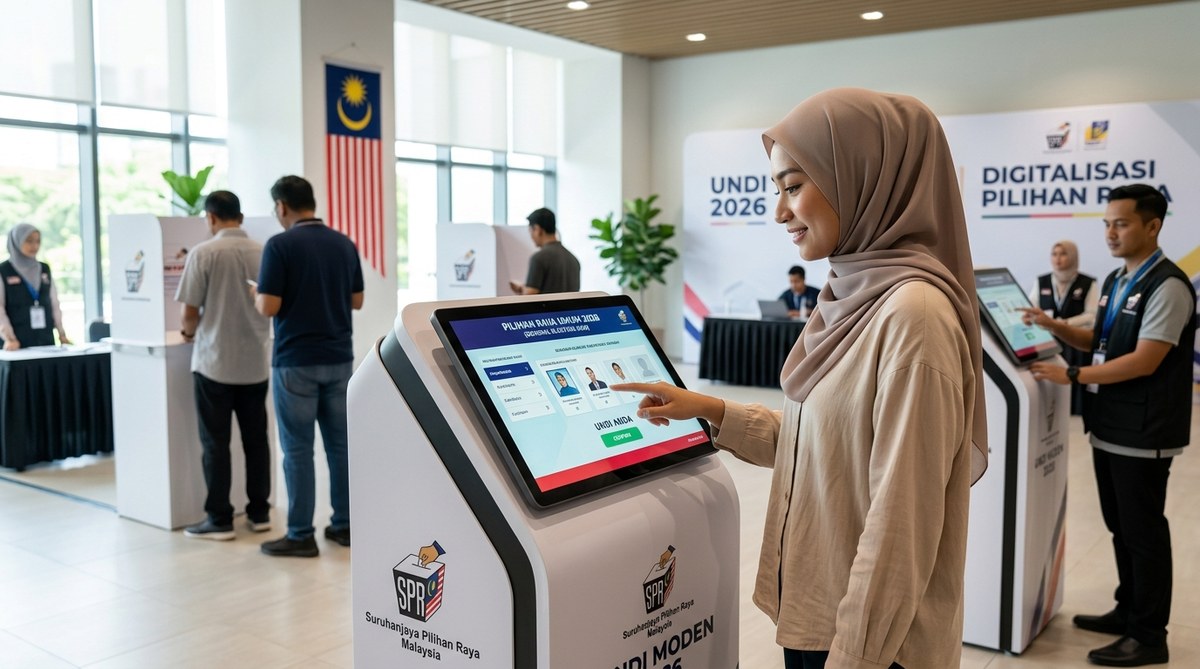
This is the most visible pillar. By 2026, almost all government services are available online. The MyGovernment portal now integrates with MyKad and the National Digital Identity system. You can renew your road tax, apply for a business license, and check your EPF contributions from a single dashboard. For rural areas, mobile service units equipped with satellite internet bring these services to village halls.
The reform also mandates open data. Ministries now publish their budgets, procurement records, and project timelines on a public portal. This transparency makes it harder for corruption to hide and easier for journalists and researchers to hold the government accountable.
2. Performance-Based Incentives
Gone are the days of automatic annual promotions. The new system ties career advancement to measurable outcomes. Each civil servant has a set of Key Performance Indicators (KPIs) that align with their ministry's goals. For example, an officer in the Immigration Department is evaluated on visa processing time and error rates. High performers get faster promotions and bonuses. Low performers receive training and, if they do not improve, face reassignment or exit.
This shift is controversial. Unions have raised concerns about fairness and bias. But early data from pilot programs in the Ministry of Home Affairs show that average processing times have dropped by 30 percent while accuracy has improved.
3. Integrity and Anti-Corruption
The third pillar tackles the root cause of many governance failures: corruption. The Malaysian Anti-Corruption Commission (MACC) now has stronger powers to investigate administrative cases without needing ministerial approval. All tenders above RM500,000 must be published on a centralized e-procurement system. Whistleblower protections have been enhanced, and a new anonymous reporting hotline is managed by an independent third party.
These measures are already showing results. In the first quarter of 2026, the MACC reported a 40 percent increase in corruption reports, while the number of large-scale scandals has dropped.
A Step-by-Step Look at How the Reform Was Implemented
The reform didn't happen overnight. Here is a numbered list of the key stages that shaped Malaysia's civil service reform in 2026.
- Diagnosis and public consultation (2024). The government conducted an independent audit of 50 agencies, surveying 10,000 citizens and 2,000 civil servants. The findings were published openly, setting the baseline for change.
- Pilot programs in selected ministries (2025). The Ministry of Domestic Trade and the Ministry of Health tested digital workflow tools and new performance reviews. Lessons learned were documented and shared across all ministries.
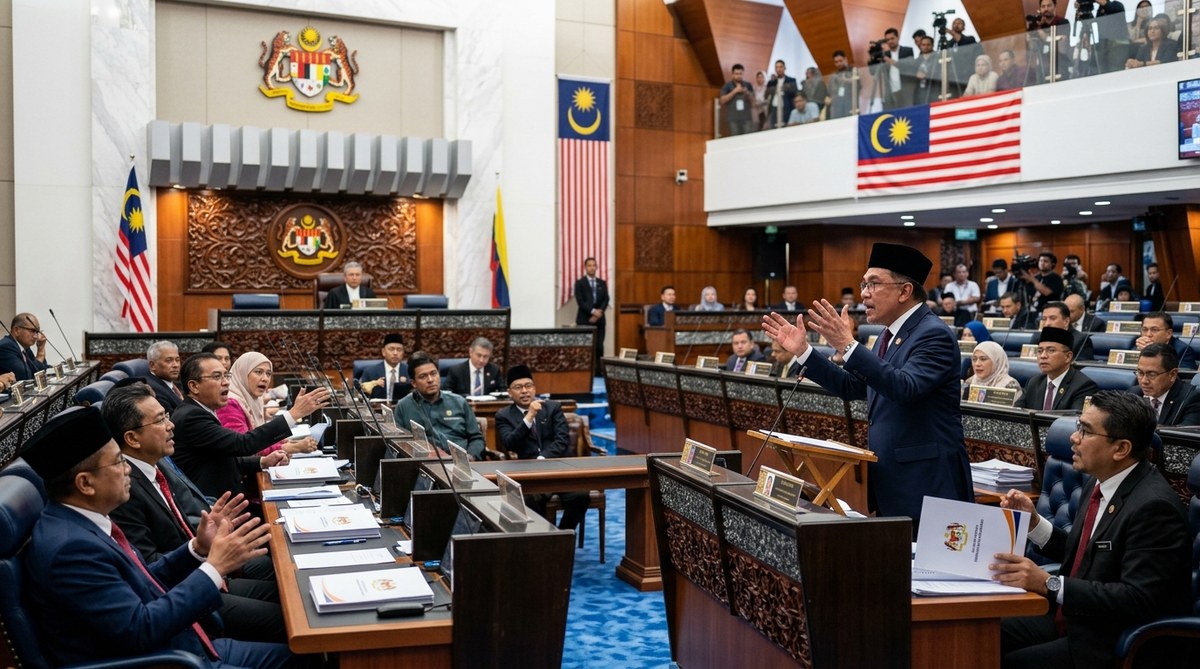
- Legislative backing (early 2026). Parliament passed the Civil Service Reform Act 2026, which gave legal force to the new performance system, anti-corruption measures, and data transparency requirements.
- Full rollout with phased transition (mid 2026). All ministries adopted the new systems by June 2026, but legacy processes were allowed to run in parallel for six months to prevent disruption.
- Independent monitoring and adjustment (ongoing). A Reform Oversight Board, composed of academics, business leaders, and civil society representatives, issues quarterly reports. The government is required to respond publicly to any adverse findings.
What It Means for You
If you are a citizen, the reform means less time wasted at government counters. If you are a journalist, it means more data to analyze. If you are a researcher, it offers a rich dataset on organizational change. Here are the benefits in bullet points:
- Faster services. Driver's license renewals now take 15 minutes instead of two days.
- Clearer accountability. You can see which officer is handling your case and track its status online.
- Less corruption. E-procurement and open data reduce opportunities for graft.
- Better policy making. Ministries use real-time data to adjust programs, rather than relying on outdated reports.
- Higher morale. Civil servants who perform well are rewarded, attracting younger talent.
The Old vs. The New: A Quick Comparison
| Aspect | Before 2026 Reform | After 2026 Reform |
|---|---|---|
| Service delivery | Slow, paper-based, multiple visits | Digital first, one appointment, online tracking |
| Performance evaluation | Seniority based, yearly appraisal | KPI based, quarterly review, real-time feedback |
| Transparency | Limited, reports released late | Open data portal, proactive disclosure |
| Anti-corruption | Reactive, dependent on political will | Proactive, independent oversight, whistleblower protection |
| Citizen feedback | Annual surveys, rarely acted upon | Continuous feedback via app, monthly response reports |
Expert Advice: What Other Governments Can Learn
"The success of Malaysia's civil service reform in 2026 comes down to three things: political will, phased implementation, and public buy in. You cannot impose change from the top. You have to bring the civil servants along, show them the benefits, and address their fears. The pilot phase was critical. It proved that the new system worked without causing chaos. Now other ASEAN countries are watching closely." Dr. Nurul Izzah, senior fellow at the Institute for Democracy and Economic Affairs (IDEAS).
Challenges That Remain
No reform is flawless. Malaysia's efforts face several hurdles.
- Digital divide. While urban Malaysia is well connected, parts of rural Sabah and Sarawak still lack reliable internet. The mobile units help, but they cannot replace full broadband access.
- Resistance to change. Some senior civil servants, especially those who benefited from the old seniority system, are reluctant to adopt new KPIs. A few have retired early rather than adapt.
- Political interference. Although the reform strengthens independence, political pressure can still influence appointments in sensitive areas like the civil service commission.
- Implementation fatigue. Rolling out new processes across 1.6 million civil servants is exhausting. Some ministries have fallen behind on training schedules.
These challenges are not insurmountable, but they require ongoing attention. The Reform Oversight Board has already flagged the digital divide as a priority for 2027.
Looking Ahead: The Next Phase
The 2026 reforms are not the end. They are the beginning of a sustained shift in how Malaysia governs. The government has already announced plans for a second phase in 2027 that will focus on local government reform and deeper integration of artificial intelligence into decision making. For example, AI tools will help predict flood risks and allocate disaster relief resources faster.
Civil service reform also connects to broader political evolution. A more efficient and transparent bureaucracy rebuilds trust in institutions. That trust is essential for the ambitious economic reforms Malaysia needs to reach high income status by 2030. For more on the broader context, you can read our analysis on how Malaysia's political landscape will evolve in 2026 and how youth are shaping Malaysia's political future.
The Real Test Lies Ahead
The true measure of Malaysia's civil service reform in 2026 will come in the next two years. Will the performance system become a rubber stamp? Will the open data portal remain updated after the political spotlight fades? These are the questions policy analysts will be asking.
For now, the direction is clear. The civil service is becoming a tool for progress, not a barrier. If you are a researcher or journalist covering governance in Southeast Asia, keep your eyes on Malaysia. The reforms are generating a wealth of data and lessons that can inform similar efforts across the region. And if you are a citizen, take a moment to try the new online services. Your feedback, good or bad, is now part of the system that shapes improvements. That is a change worth celebrating.









Leave a Reply