
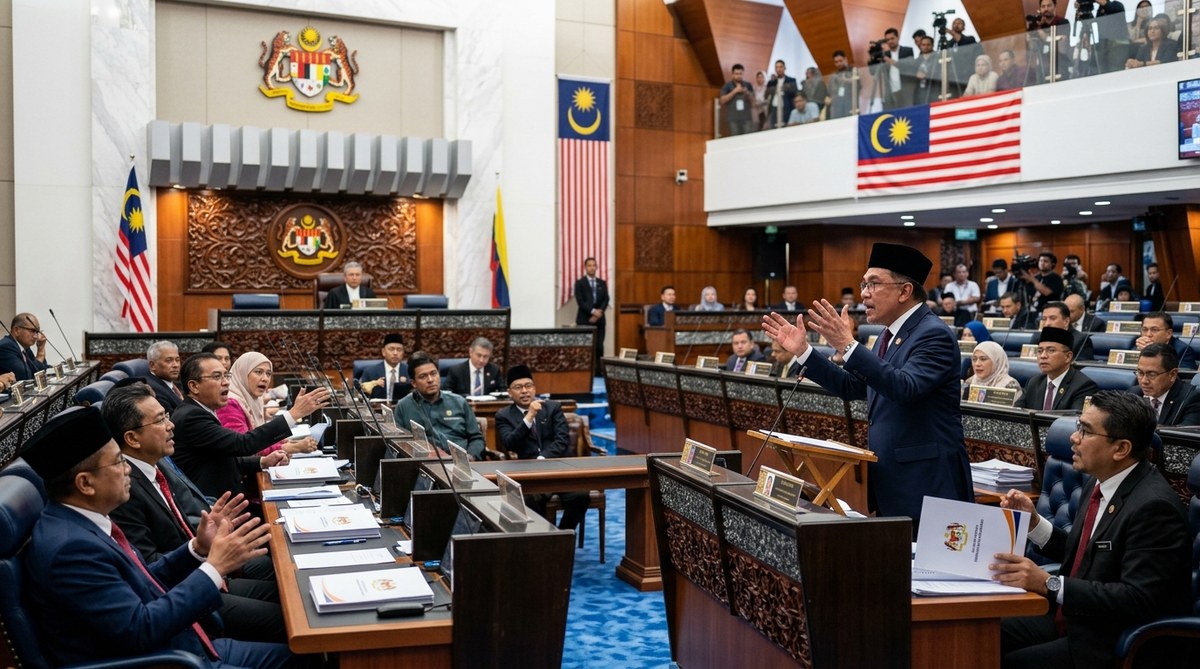
The tabling of a national budget is never a quiet affair in Malaysia, but the 2026 budget debate feels different. Voices are louder, lines are sharper, and the usual political courtesies seem thinner than ever. From the halls of Parliament to the comments section of your favourite news site, everyone is picking a side. This isn’t just about numbers on a spreadsheet. It is a fight over the very direction of the country.
The Malaysia 2026 budget debate is not a simple disagreement over spending. It is a reflection of deep political fractures between the ruling coalition and the opposition. By understanding the core flashpoints like subsidy rationalisation, civil service reform, and allocations for Sabah and Sarawak, you can see how this budget will shape the country’s political future and your own household finances.
The Core of the Conflict
At its heart, the Malaysia 2026 budget debate revolves around one big question: who pays, and who benefits? The government, led by the current unity coalition, argues that the budget is a necessary step to fix long term structural issues. They point to the need for fiscal discipline and targeted aid.
The opposition, however, sees it differently. They claim the budget punishes the rural heartland and the middle class while failing to control government spending. This is not just political theatre. Each side is presenting a very different vision for Malaysia’s future.
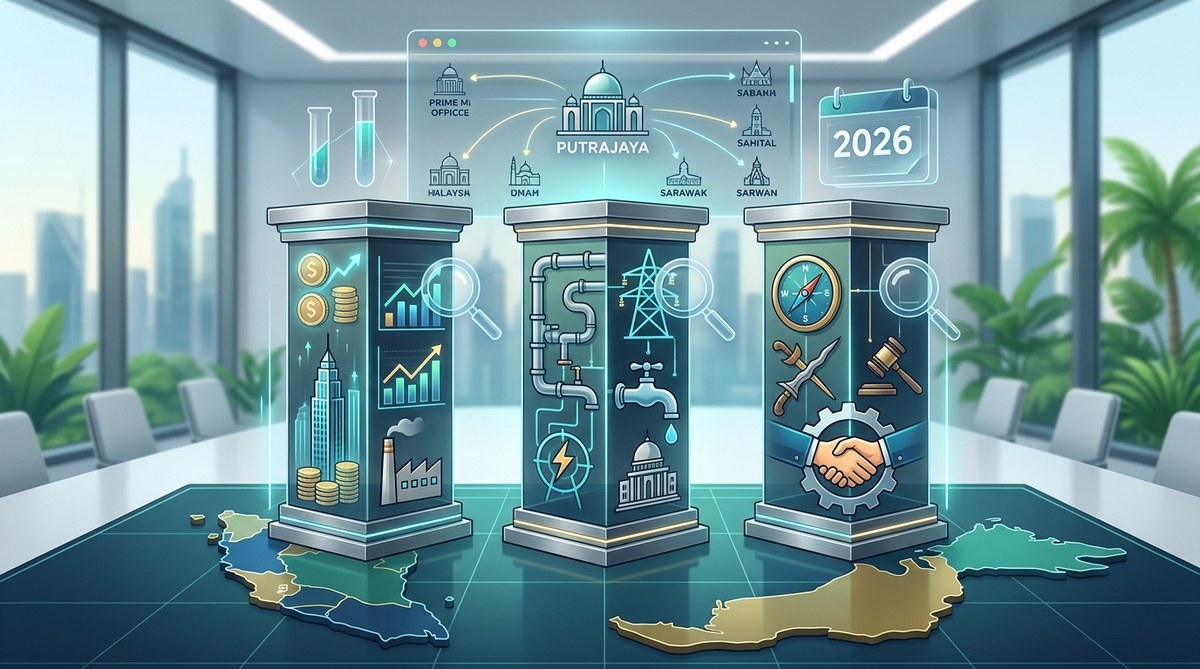
Three Main Flashpoints in the Debate
Let us break down the specific issues that are causing the most friction.
- Subsidy rationalisation. The government plans to cut blanket subsidies for fuel and electricity. Instead, they want to give direct cash aid to low income groups. The opposition calls this a tax on the rakyat, especially for those living in areas with no public transport.
- Civil service reform. A proposal to link civil service bonuses to performance metrics has sparked outrage from government unions. Opposition parties are using this to argue that the government is anti-worker.
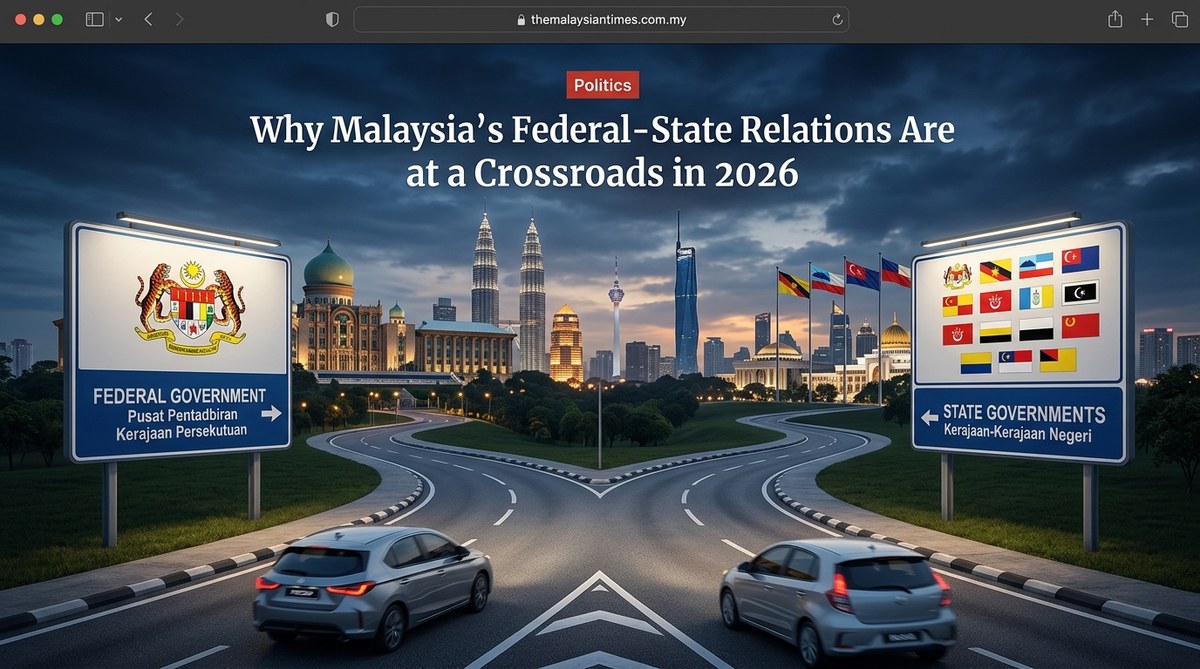
- Allocations for Sabah and Sarawak. The amount of federal funding for infrastructure in East Malaysia is a major point of contention. Some lawmakers feel the budget does not honour the Malaysia Agreement 1963 (MA63) properly.
Expert Insight: “The Malaysia 2026 budget debate is a classic case of structural reform versus political survival. The government knows subsidies are bleeding the economy dry. The opposition knows that any price hike is a vote loser. Neither side wants to blink first.” – Dr. Aminah Yusof, Political Economist at Universiti Malaya.
How the Political Lines Are Drawn
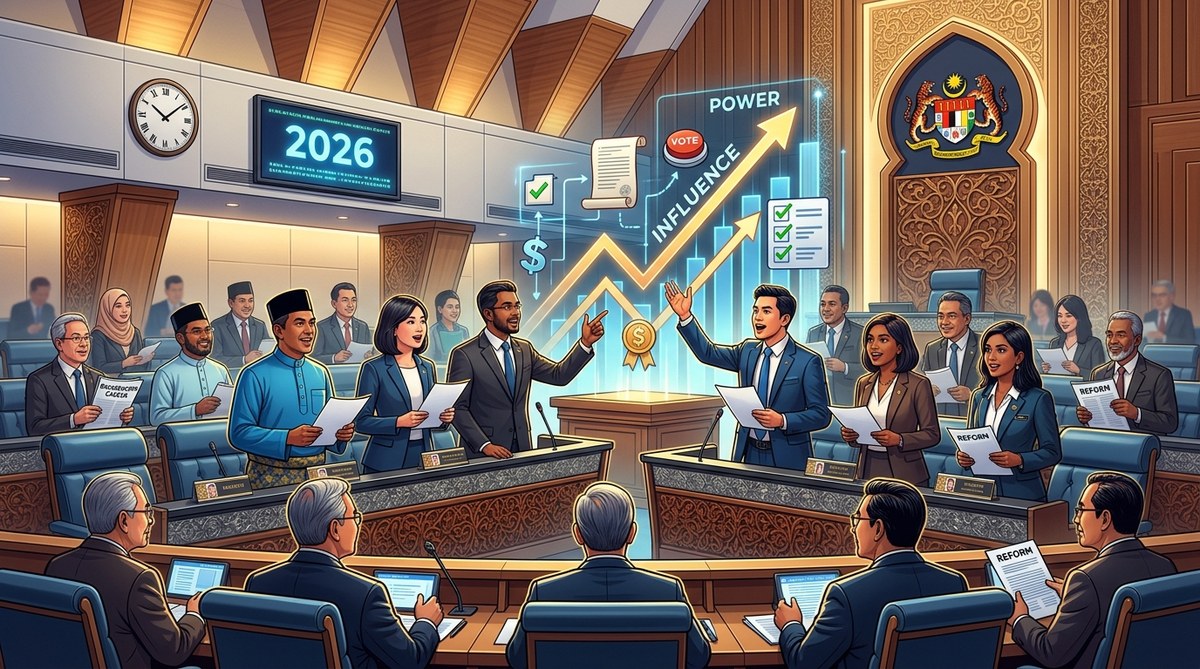
To understand the heat, you need to see the alliances involved. The ruling coalition is a mix of parties that were once bitter rivals. Keeping this block happy requires careful spending. The opposition, led by Perikatan Nasional (PN), is united in its goal to attack the government.
A Snapshot of the Key Players
Here is how the main political groups are positioning themselves on the Malaysia 2026 budget debate.
| Political Bloc | Stated Position | Key Criticism of the Budget | Main Demand |
|---|---|---|---|
| Unity Government (PH-BN) | Fiscal responsibility and targeted aid. | Opposition is being obstructionist. | Pass the budget without major changes. |
| Perikatan Nasional (PN) | Pro people and pro business growth. | Budget ignores rural Malays and small traders. | Cut wasteful spending and reduce taxes. |
| Gabungan Parti Sarawak (GPS) | Focus on East Malaysia development. | Allocation for Sarawak is insufficient. | Increase special grants and infrastructure funds. |
| Sabah Parties (GRS, Warisan) | Autonomy and fair share of revenue. | Budget does not solve Sabah’s poverty issues. | More federal projects and oil royalty payments. |
This table shows you that the debate is not just a two party fight. The East Malaysian blocs hold the balance of power. Their support is not guaranteed. They are using this budget to demand more for their states, which adds another layer of complexity to the entire Malaysia 2026 budget debate.
What This Means for Your Daily Life
You might think this is all just political noise. It is not. The outcome of this debate will affect your wallet.
- Fuel prices. If subsidy rationalisation goes through, expect RON95 prices to rise. The government promises cash aid, but the timing of that aid matters.
- Civil service salaries. If you work for the government, your bonus and promotion path could change. This affects consumer spending across the country.
- Business costs. New tax incentives or changes to the Sales and Services Tax (SST) will hit small and medium enterprises (SMEs) hard. A higher SST means higher prices for everything from nasi lemak to new tyres.
Three Ways to Prepare for the Budget Outcome
You do not have to wait for the final vote. You can take steps now to protect your finances.
- Review your monthly budget. Identify areas where you can cut back if fuel or food prices rise. A small adjustment now is better than a panic later.
- Check your government benefits. If you are in the B40 or M40 group, make sure your details are updated with the relevant agency. This ensures you receive any direct cash transfers.
- Follow the parliamentary schedule. Watch the live streams or read the summaries from trusted news sources. Knowing the exact changes helps you plan ahead.
The Role of Youth and Digital Campaigns
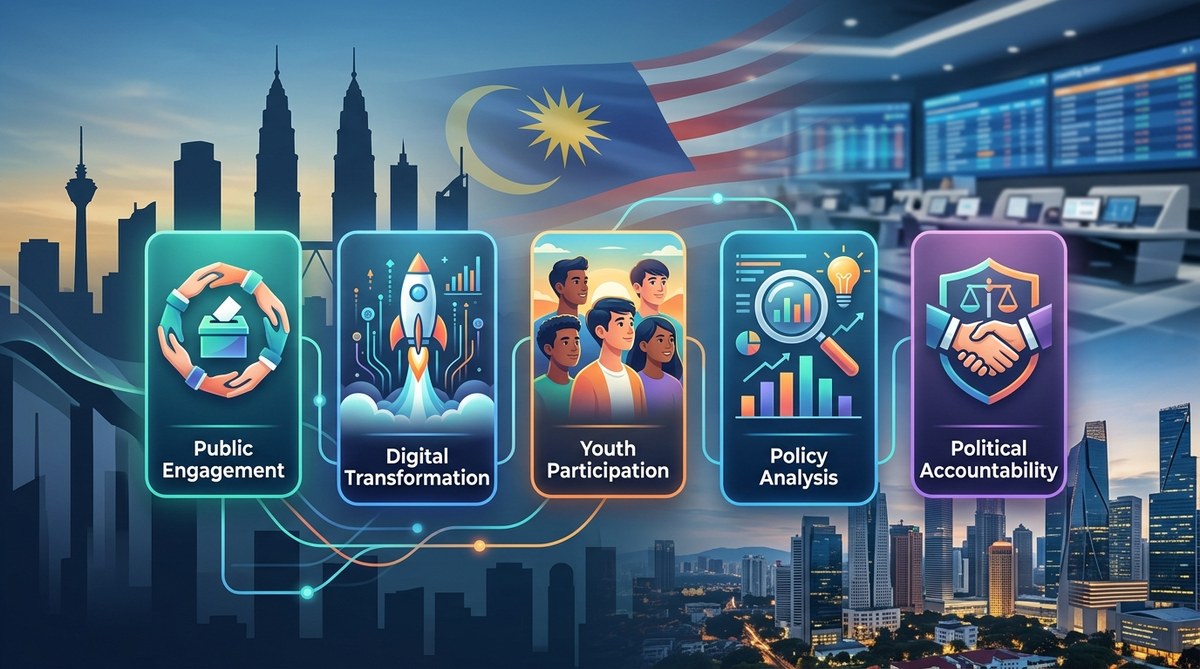
Younger Malaysians are paying close attention to the Malaysia 2026 budget debate. Issues like affordable housing, gig worker protections, and education funding are top of mind for Gen Z and Millennials. Both sides of the political divide are using social media to frame the budget in their favour.
The opposition has been very effective at using short video clips to highlight specific budget items they dislike. The government is fighting back with long form explanations and infographics. This digital battle is shaping public opinion faster than traditional media ever could. For a deeper look at how this is changing the political game, read our piece on how Malaysia’s political parties are using digital campaigns in 2026.
Why the Debate Feels More Personal This Year
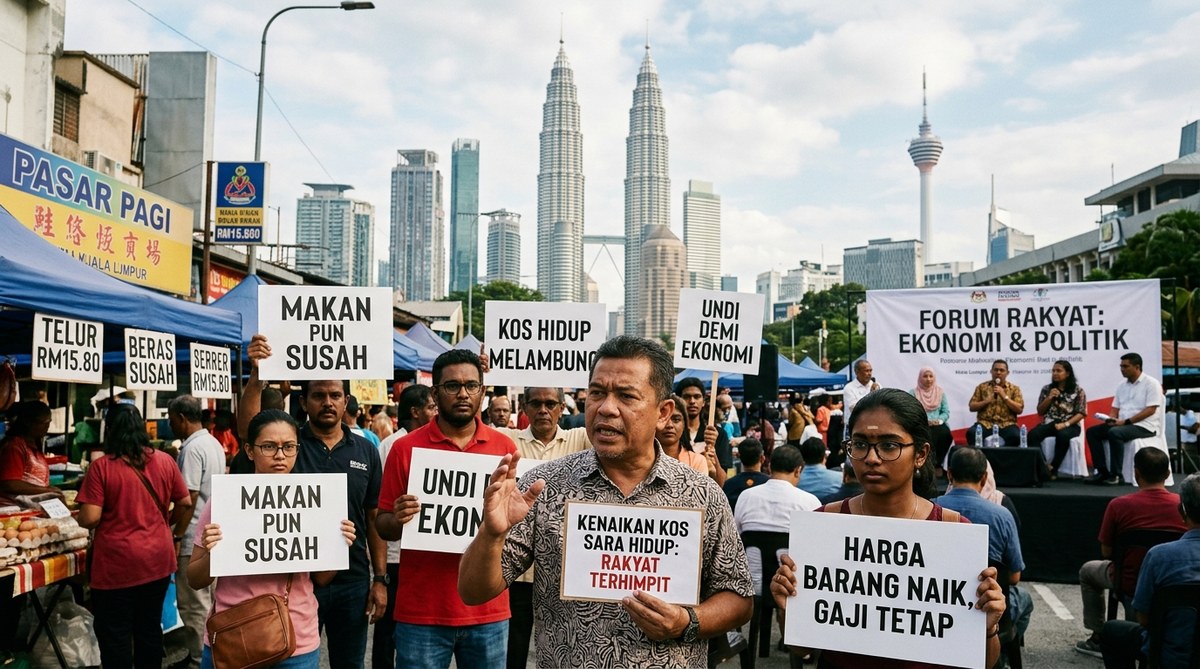
There is a reason the Malaysia 2026 budget debate feels more tense than in previous years. The country is facing a global economic slowdown. Ringgit volatility and rising living costs have made people anxious. A budget that feels unfair to one group can spark real anger.
The opposition is tapping into this anxiety. They are framing every spending cut as an attack on the rakyat. The government is trying to argue that short term pain is needed for long term gain. It is a hard sell when people are already struggling with the price of chicken and eggs.
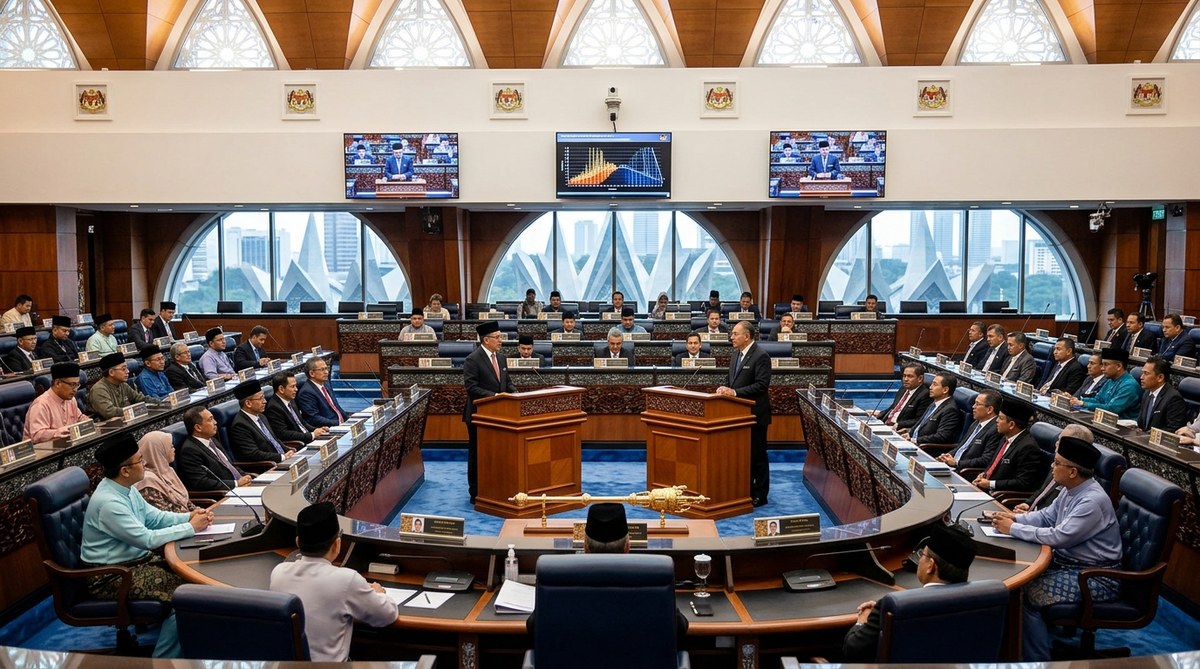
This tension is also testing the loyalty of coalition partners. If a key partner in the government decides to vote against the budget, it could trigger a political crisis. Understanding these fragile alliances is vital. Our analysis of 3 signs Malaysia’s political coalitions are shifting in 2026 provides more context on this fragile situation.
Looking Past the Noise
The Malaysia 2026 budget debate will eventually end with a vote. But the scars from this fight will remain. The way the government handles the opposition’s attacks, and the way it manages its own coalition, will set the tone for the rest of the year.
For the average Malaysian, the best approach is to stay informed but not overwhelmed. Do not let the heated rhetoric distract you from the practical details. Look at what the budget offers for your industry, your family, and your future. That is what truly matters.
The arguments in Parliament are just the start. The real test is whether the budget actually improves life on the ground. That is a question that will take the whole year to answer. Keep watching, keep asking questions, and make your voice heard in the Malaysia 2026 budget debate.

Leave a Reply