

The political ground in Malaysia has shifted more in the past three years than in the previous decade. By 2026, the opposition finds itself at a crossroads it did not expect to face so soon. After GE15, many assumed the Perikatan Nasional (PN) coalition had momentum on its side. But the unity government under Anwar Ibrahim has held steady, and the opposition has struggled to land a decisive blow. Now, opposition leaders are quietly but deliberately rethinking their entire approach. The old playbook of pure ethno religious mobilization, social media firepower, and blanket anti government messaging is no longer enough. Voters are paying closer attention to delivery, not just rhetoric.
Malaysia’s opposition in 2026 is moving away from single axis identity politics toward a more diverse platform that includes economic credibility, youth engagement, and policy based campaigning. This shift comes after by election losses and internal coalition friction. The success of this new strategy will depend on whether opposition parties can maintain unity while broadening their appeal beyond their traditional support base.
Why the old playbook stopped working
For years, the opposition in Malaysia relied on a straightforward formula. Criticize the government relentlessly. Amplify racial and religious grievances. Flood social media with short clips and memes. And hope that voter anger would carry them over the line. That approach worked well when the government was Barisan Nasional (BN) at its most unpopular. But the equation changed after the unity government was formed.
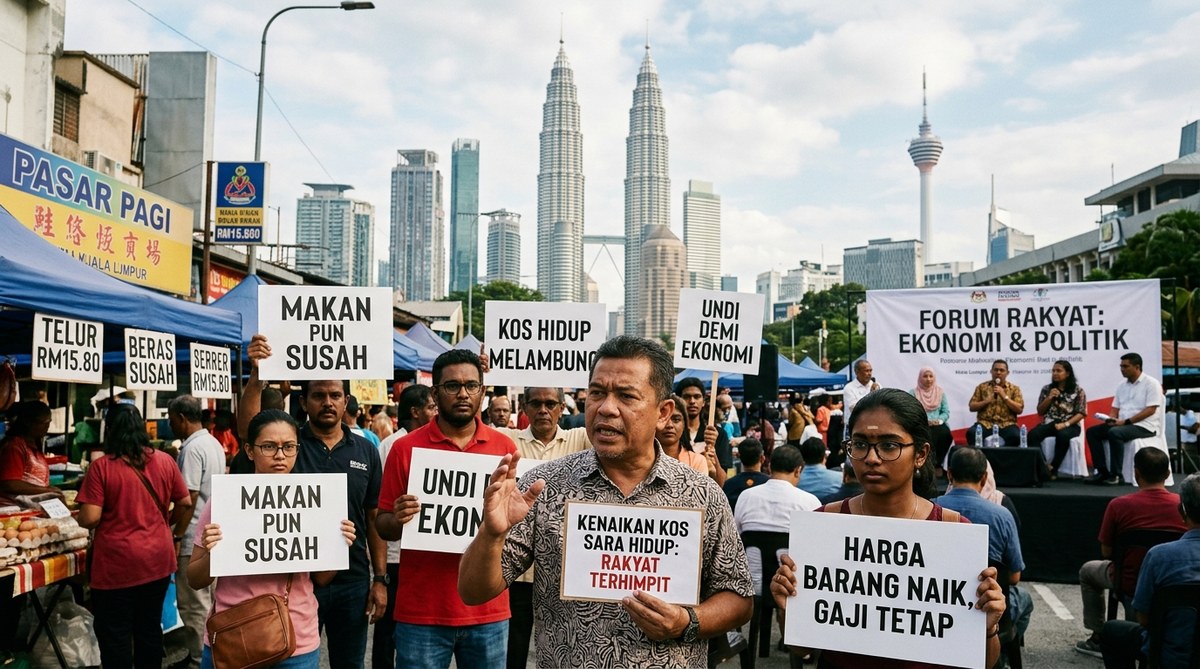
The government has been able to point to economic indicators that, while imperfect, show some stability. Inflation has moderated. The ringgit has found a steadier footing against the dollar. And the government has rolled out targeted subsidies that directly benefit lower income households. These moves have made it harder for the opposition to paint the government as completely out of touch.
In addition, by elections in 2024 and 2025 showed that the opposition’s support among Malay voters had plateaued. They were not losing ground, but they were not gaining new voters either. Meanwhile, non Malay voters who had flirted with the opposition in protest votes began drifting back to the government or to third parties.
The old strategy had hit a ceiling.
The three pillars of the new opposition strategy
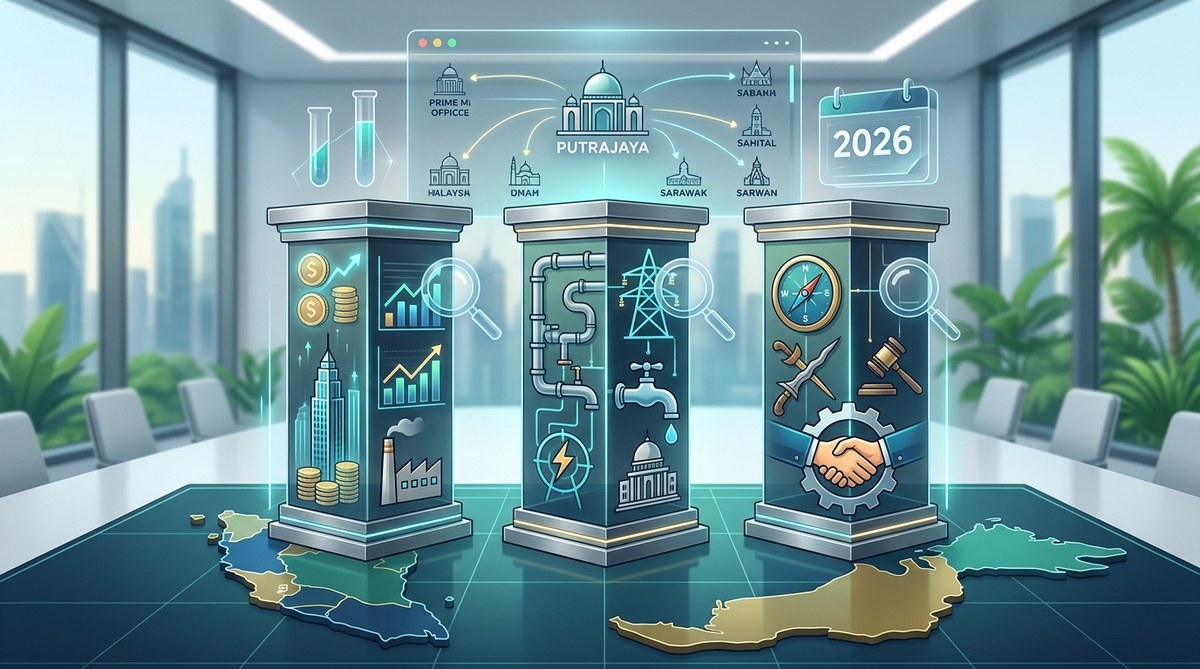
Opposition strategists have quietly settled on three main pillars for 2026. These represent a clear break from the past.
-
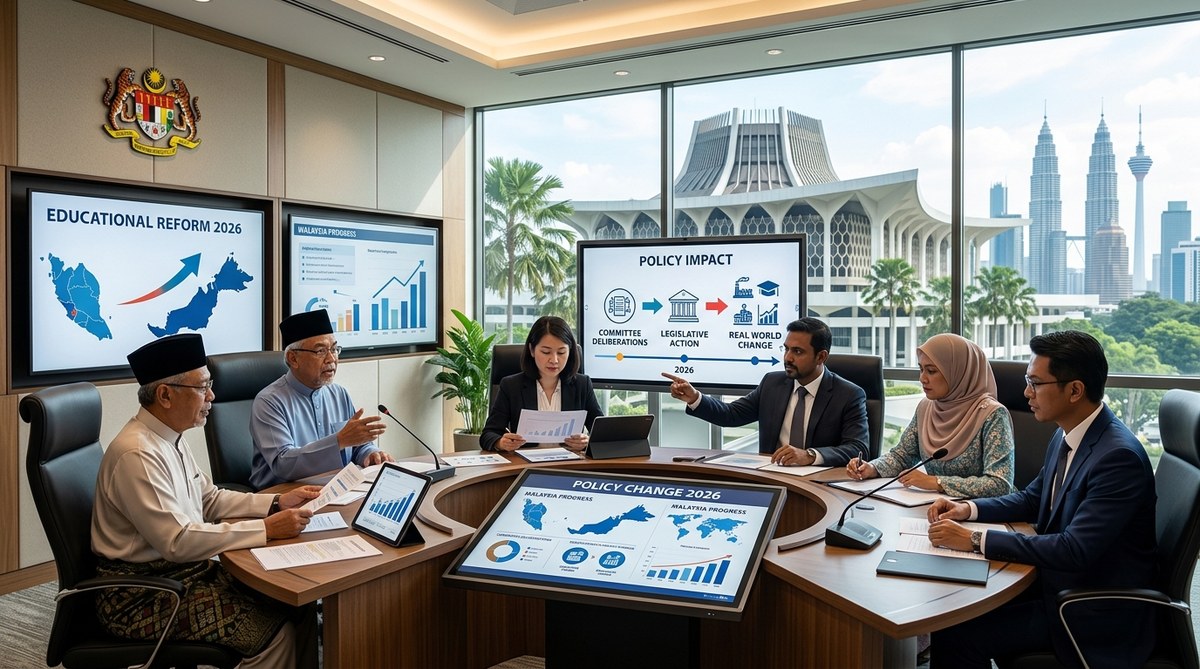
Policy credibility over pure protest. Opposition leaders are now expected to present alternative budgets, healthcare plans, and education reforms. The days of simply saying “the government is bad” are over. Voters want to know what the opposition would do differently.
-
Coalition discipline and signal of unity. Internal bickering has cost the opposition dearly. There is now a strict protocol for public statements. Leaders who air dirty laundry in public face consequences. The aim is to project a government in waiting image.
-
Digital sophistication with local grounding. Social media is still a major battleground. But the opposition is moving beyond just TikTok and Facebook. They are using WhatsApp broadcast lists for hyperlocal messaging, Telegram channels for policy deep dives, and even podcasts to reach urban professionals.
These three pillars are not just talking points. They are being embedded into how opposition parties train their candidates, allocate funds, and plan their public appearances.
What internal reforms look like on the ground
To make this strategy work, opposition parties have had to change how they operate internally. Here are the practical changes that have been implemented.
- Weekly policy study groups where members must present on at least one national issue.
- A centralized media monitoring unit that tracks government announcements and opposition responses.
- A candidate vetting process that includes public speaking drills and policy quizzes.
- A coalition wide ceasefire on personal attacks between partner parties.
These steps may sound basic. But anyone who has followed Malaysian politics for the past decade knows that discipline has not been the opposition’s strong suit. The fact that these measures are being enforced suggests a genuine shift in mindset.
A comparison of the old and new approaches
Let us look at how the opposition’s strategy has changed in key areas.
| Area | Old Approach | New Approach (2026) |
|---|---|---|
| Messaging | Attack government corruption and incompetence | Present alternative policy proposals with cost estimates |
| Coalition management | Loose alliances with frequent public spats | Formal protocols and enforced discipline |
| Youth outreach | Generic “we hear you” TikTok videos | Targeted WhatsApp groups, campus visits, and internship programs |
| Economic pitch | Blame government for rising prices | Offer detailed subsidy reform and wage growth plans |
| Digital strategy | Viral clips and meme warfare | Podcasts, long form interviews, and data driven content |
| By election preparation | Last minute candidate selection | Advance candidate training and local issue research |
The table makes one thing clear. The opposition is trying to transform itself from a protest movement into a credible alternative government. That is a harder sell, but it is also more sustainable in the long run.
The role of digital campaigning in 2026
Digital platforms remain central to how Malaysia’s opposition communicates. But the approach has matured significantly. Opposition parties are now using data analytics to identify which issues matter most in each constituency. They are running targeted ad campaigns on YouTube and Instagram that focus on specific local concerns like potholes, school funding, or hospital wait times.
One notable shift is the use of WhatsApp broadcast lists. Opposition leaders at the state level now maintain direct channels to thousands of voters. These are not spam messages. They are carefully crafted updates that include links to policy documents, invitations to town halls, and responses to local complaints.
This hyperlocal strategy allows the opposition to build trust one community at a time. It is slower than a viral TikTok clip, but it creates more durable support.
Expert perspective on the shift
“Malaysia’s opposition is learning the hard way that anger alone cannot win elections. Voters, especially the younger ones, are asking ‘what will you do for me?’ not ‘why is the other guy bad?’. The parties that answer that question with specifics will earn the right to lead. Those that rely on old slogans will be left behind.”
— Senior political analyst based in Kuala Lumpur, speaking on condition of anonymity
This expert view echoes what many informed citizens are now saying. The opposition cannot coast on anti government sentiment forever. It has to earn trust through substance.
Challenges the new strategy still faces
No strategy is without risk. The opposition’s new approach comes with its own set of obstacles.
First, maintaining coalition unity is harder than it sounds. Perikatan Nasional includes parties with very different base priorities. PAS wants to emphasize religious identity. Bersatu wants to focus on Malay economic empowerment. Gerakan wants to appeal to urban Chinese voters. Balancing these demands while projecting unity is a high wire act.
Second, the government controls significant institutional advantages. The civil service, media regulations, and access to development funds all favor incumbents. The opposition cannot match the government’s ability to announce projects and disburse funds.
Third, voter fatigue with politics is real. Many Malaysians have tuned out after years of instability. The opposition has to find ways to reconnect with people who no longer follow political news closely.
Finally, there is the risk that the old guard within opposition parties resists the new approach. Some leaders built their careers on the very rhetoric that the new strategy aims to replace. Internal friction is inevitable.
How the strategy plays out in key states
The opposition’s new approach is being tested in several state level contexts.
In Kedah, PAS remains dominant but is trying to show it can govern effectively. The state government has focused on water infrastructure and agricultural support as proof of delivery.
In Selangor, opposition parties are struggling to break through in urban and suburban seats. Their strategy here relies heavily on digital outreach and policy focused messaging around cost of living and public transport.
In Johor, the opposition is trying to rebuild after poor showings in the 2024 state election. They are investing in local service centers and community events to rebuild trust.
Each state requires a tailored strategy. The national leadership understands this and is giving state level leaders more autonomy over messaging.
What this means for the next general election
GE16 is still a few years away. But the opposition is already laying groundwork. The new strategy is designed to be sustainable over multiple election cycles, not just a one off push.
If the opposition can maintain discipline and continue to build policy credibility, it may be able to expand its base beyond its current ceiling of roughly 45 to 50 percent of the popular vote. That would put it in a strong position to challenge for power.
But if internal divisions resurface or if the government delivers on enough promises to satisfy swing voters, the opposition could find itself stuck in the same position for years.
Maintaining relevance in a shifting political landscape
The opposition in Malaysia has shown that it can adapt. The shift from protest politics to policy politics is a sign of maturity. It also reflects a deeper change in Malaysian society. Voters are more educated, more connected, and more demanding than ever before.
Parties that treat voters as consumers of slogans will fail. Parties that treat voters as partners in governance have a chance to succeed.
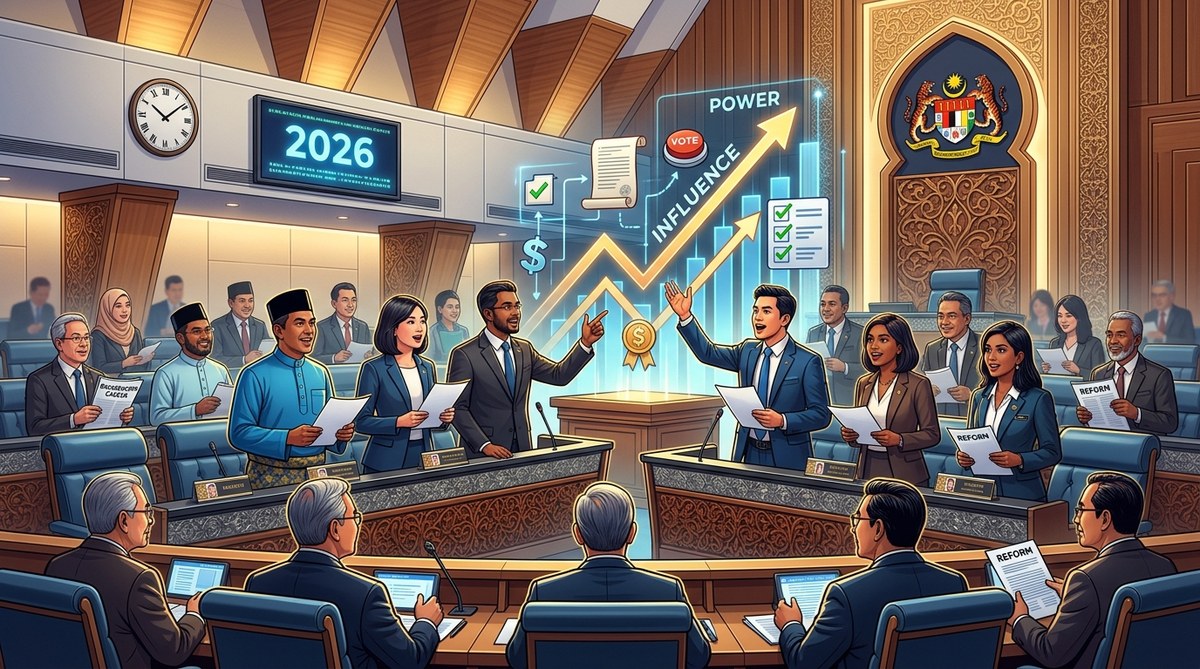
This is not just a tactical adjustment. It is a fundamental change in how the opposition sees itself and its role in Malaysian democracy. The next few years will show whether that change is real and whether voters reward it.
If you are following these developments closely, you may also find our analysis of Why Is Malaysia’s Opposition Struggling to Gain Traction in 2026 useful, as well as our piece on How Malaysia’s Political Parties Are Using Digital Campaigns in 2026. For a broader view, our article on Is Malaysia Heading Toward a Two-Party System by 2026 covers the structural shifts that affect both government and opposition. And if you want to see how by elections are revealing voter sentiment, read What Malaysia’s By-Elections in 2026 Reveal About Voter Sentiment.
Keep watching the local by elections, the parliamentary debates, and the policy papers that opposition leaders release. Each one tells you whether the strategy is working or whether another pivot is coming.


Leave a Reply