
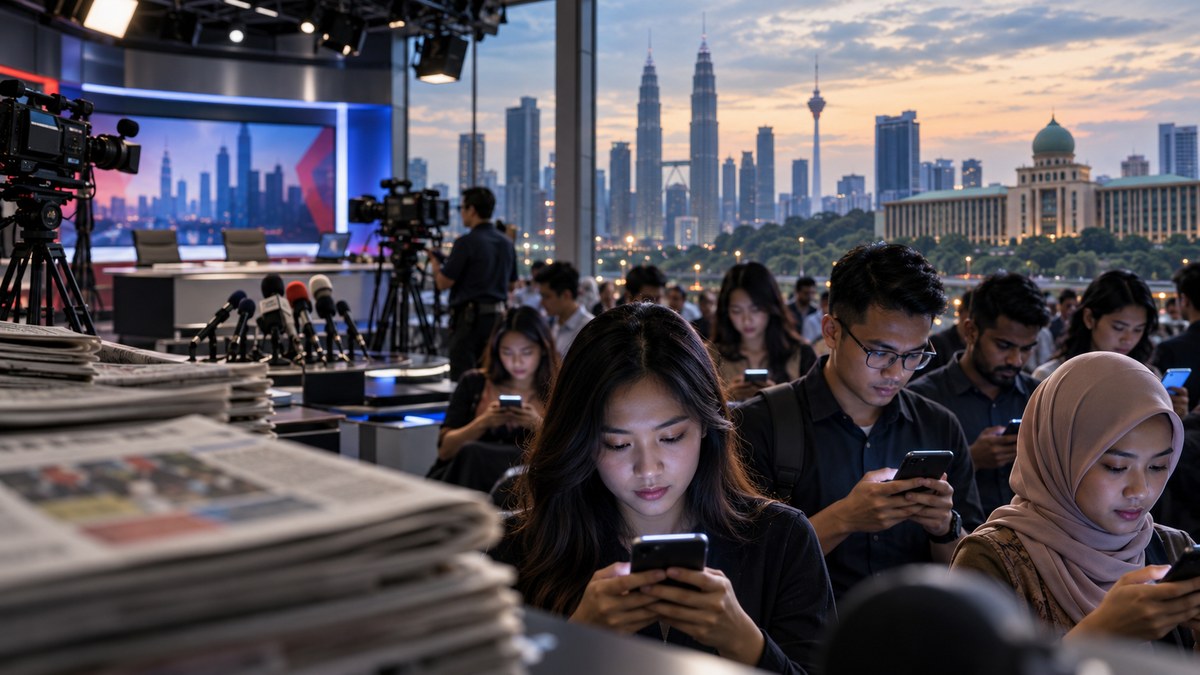
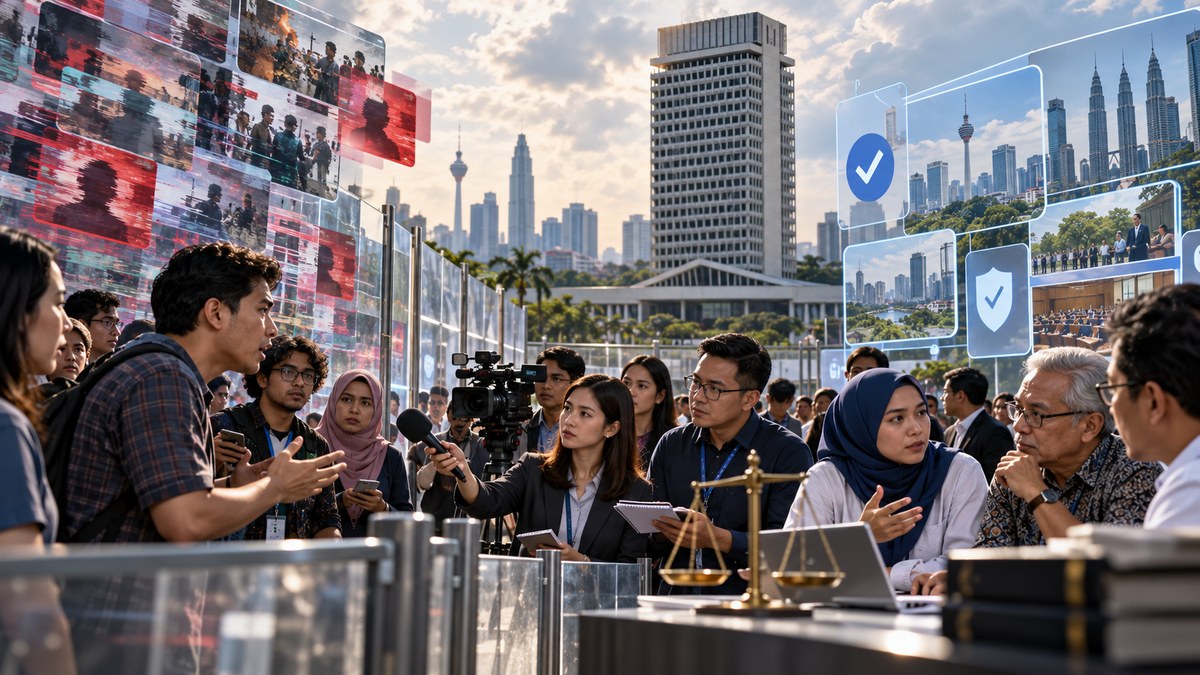
The mamak stall conversations used to be the same everywhere. Someone would wave a folded newspaper, point to a front-page headline, and declare that this was the real story. That scene is becoming rare. In 2026, the person holding court at the next table is more likely to be showing a TikTok video or a WhatsApp voice note to the group. The shift is not just about habits. It is about power. For decades, mainstream newspapers and television stations in Malaysia shaped political narratives, set the agenda for public debate, and even influenced election outcomes. Today, that grip is loosening.
Malaysia’s traditional media outlets are losing their political influence because audiences have moved to social platforms, trust in mainstream news has dropped, and political parties now bypass editors to speak directly to voters. This shift is reshaping how campaigns run and how the public forms opinions ahead of the 2026 elections.
The numbers tell a clear story
The Reuters Institute Digital News Report has tracked Malaysia’s media consumption since 2017. The trend is consistent. Social media now ranks as the primary news source for most Malaysians. News websites, television, and print have all seen steady declines. In 2026, the gap is wider than ever.
Consider the breakdown from the latest report:
| News Source | Percentage of Malaysians Using It Regularly (2026) |
|---|---|
| Social media (Facebook, TikTok, X, WhatsApp) | 68% |
| News websites and apps | 41% |
| Television | 38% |
| Print newspapers | 12% |
The table shows a clear hierarchy. Social platforms dominate. Print is now a niche channel. Television still holds some ground, especially among older demographics, but its influence on political discourse is shrinking.
Why trust in traditional outlets is fading
Trust is the currency of media influence. When people stop believing what they read or watch, the outlet loses its ability to shape opinions. In Malaysia, trust in traditional media has been eroded by several factors.
First, there is a perception that many mainstream outlets are too close to political interests. Whether it is a newspaper owned by a party-linked conglomerate or a TV station that rarely criticises the government of the day, audiences have learned to read between the lines. They see the spin. They switch off.
Second, the speed of digital news has made traditional publishing cycles feel outdated. A breaking political story on X or WhatsApp reaches millions before the evening news bulletin even starts recording. By the time the newspaper hits the stands, the conversation has moved on.
Third, younger Malaysians, especially those under 35, simply do not consume news the same way. They prefer short videos, memes, and bite-sized updates. A 30-minute news broadcast feels like a commitment they are unwilling to make.
How political parties are adapting
Political parties in Malaysia have noticed the shift. They are no longer dependent on press conferences and press releases to get their message out. Instead, they have built direct communication channels.
- TikTok and Instagram Reels are now standard tools for politicians. Short clips of speeches, behind-the-scenes moments, and even casual Q&A sessions help humanise candidates.
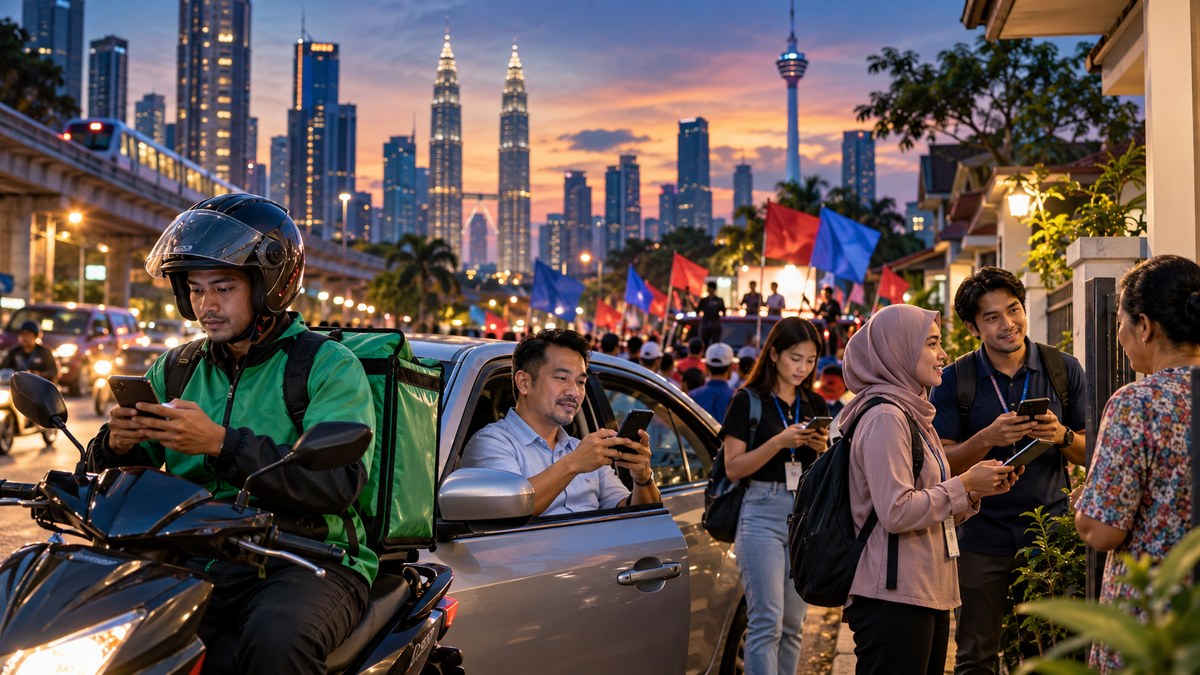
- WhatsApp broadcast lists allow parties to send targeted messages to thousands of supporters instantly. This is especially effective in rural areas where mainstream media penetration is lower.
- Facebook groups and pages remain important for community-level engagement, especially among Malay and Chinese language audiences.
- Live streaming on YouTube or Facebook lets politicians speak directly to voters without a journalist filtering the message.
This direct-to-audience approach has a side effect. It reduces the gatekeeping power of traditional media. Editors and producers no longer decide what is newsworthy. The politicians decide for themselves.
What this means for the 2026 election cycle
The upcoming election cycle in Malaysia will be the first to fully test the new media landscape. Traditional outlets still have influence, but it is concentrated in specific areas.
- Agenda setting still matters. Even if audiences have fragmented, a front-page story in a major Malay-language daily can still force a response from politicians. The key is that this power is now shared with viral social media posts.
- Fact-checking and accountability become harder. When misinformation spreads through WhatsApp groups, traditional media is often left playing catch-up. By the time a correction is published, the false narrative may have already shaped voter perceptions.
- Campaign strategies are shifting. Parties are spending less on print ads and TV spots. More budget is going to digital content creators, social media managers, and data analytics teams.
- Regional differences matter. In Sabah and Sarawak, local newspapers and radio stations still carry significant weight. The decline of traditional media is not uniform across the country.
“The role of traditional media is not disappearing. It is changing. They are no longer the primary source of news for most people, but they still serve as a reference point for credibility. The challenge is that credibility takes years to build and only moments to destroy.” – Dr. Lim Siew Peng, media researcher at Universiti Malaya.
A practical guide for journalism students and analysts
If you are tracking these shifts, here is a simple framework to assess the political influence of any media outlet in Malaysia today.
- Check the ownership. Who owns the outlet? Is there a direct link to a political party or a business group with political interests? This will tell you a lot about the editorial line.
- Measure audience engagement, not just reach. A newspaper may claim a circulation of 300,000, but how many of those readers actually trust the content? Look at social media mentions, shares, and comments.
- Watch for echo chambers. In a fragmented media environment, people tend to consume news that confirms their existing beliefs. Traditional outlets that try to be neutral may find themselves ignored by both sides.
- Track the politicians. Which platforms are they using most? If a top politician posts a video on TikTok but gives a cold shoulder to a TV interview, that tells you where they think the real influence lies.
The new reality for policy researchers
For policy researchers, the decline of traditional media influence raises important questions about democratic health. A well-informed electorate needs reliable sources of information. If those sources are weakened, what fills the gap?
- Misinformation becomes harder to contain. Without strong, trusted media outlets to counter false claims, voters may base decisions on fabricated stories.
- Political polarisation can increase. When people only consume content from partisan sources, common ground becomes harder to find.
- Regulation becomes a contentious issue. The government’s attempts to regulate social media content, such as the anti-fake news laws, are often seen as attempts to control the narrative rather than protect the public.
These are not abstract concerns. They have real consequences for how Malaysia governs itself.
What traditional media can do to stay relevant
Traditional outlets are not powerless. Some are adapting successfully.
- Investing in digital-first content. The best newspapers now have strong online presences with video, interactive graphics, and social media teams.
- Focusing on investigative journalism. Long-form, well-sourced investigations are something social media influencers rarely do. This is a unique value proposition.
- Building direct relationships with readers. Newsletters, podcasts, and membership models help create loyal audiences that are less likely to drift away.
- Embracing transparency. Outlets that openly explain their editorial decisions and correct mistakes quickly build more trust than those that pretend to be perfect.
A final look at the bigger picture
The decline of traditional media political influence in Malaysia is not a sudden collapse. It is a gradual shift that has been visible for years. The 2026 election cycle will likely accelerate it further.
For political analysts, the message is clear. Stop looking at newspaper headlines as the primary measure of public opinion. Start watching TikTok trends, WhatsApp group dynamics, and the comment sections of Facebook pages. That is where the real political conversation is happening.
For journalism students, this is both a warning and an opportunity. The old model of journalism is fading, but the need for trustworthy, well-reported news is greater than ever. The journalists who succeed will be those who understand the new landscape and find ways to serve audiences who have already left the traditional fold.
For policy researchers, the challenge is to understand how information flows in a fragmented environment and what that means for governance, accountability, and democracy.
How to stay informed in a shifting media landscape
If you want to track the influence of traditional media in Malaysia as the election approaches, here are three practical steps.
- Follow the social media accounts of major political figures. See what they share and what gets the most engagement.
- Subscribe to at least one traditional news outlet’s digital edition. Compare its coverage of an event with what you see on social media.
- Join a few public WhatsApp or Telegram groups related to politics. Observe how information spreads and whether it matches what the mainstream outlets report.
The media landscape in Malaysia is not broken. It is just different. Understanding that difference is the key to understanding where political influence truly lies in 2026.
For a broader view of how these changes connect to wider trends, you can read our analysis on how Malaysia’s political parties are using digital campaigns in 2026. It covers the specific strategies parties are adopting to reach voters directly.


Leave a Reply