

Malaysian politics in 2024 is witnessing a whirlwind of change. The nation is navigating a complex maze of alliances, leadership shifts, and emerging issues that could redefine its political landscape for years to come. With elections on the horizon and new coalitions forming, Malaysians are eager to understand what these shifts mean for their future. This year’s developments are more than just headlines—they signal deeper transformations in governance, ethnic relations, and regional influence.
Malaysia’s political landscape in 2024 is marked by strategic realignments, emerging parties, and renewed voter engagement. Understanding these shifts helps Malaysians anticipate future governance and regional influence, ensuring their voices shape the nation’s trajectory.
The Changing Face of Malaysia’s Political Landscape
Malaysia’s political scene has long been characterized by a multi-party system rooted in ethnicity and regional interests. Recent years, however, have seen a shift towards more fluid alliances and a focus on national issues beyond ethnic lines. The 2024 political shifts are driven by several key factors including voter dissatisfaction, leadership changes, and the rise of new political entities.
Major Factors Driving Political Shifts in 2024
1. Voter Sentiment and Youth Engagement
A significant driver of change is the increasing engagement of young voters. The 2023 general elections saw record-breaking youth turnout, signaling a desire for fresh leadership and policy focus. Many young Malaysians now prioritize issues like education reform, job opportunities, and climate change, which has prompted political parties to adapt their platforms. The rise of social media as a tool for political discourse has also amplified youth voices and challenged traditional campaign methods.
2. Leadership Transitions and Internal Power Struggles
Leadership changes in major parties have created a ripple effect across the political spectrum. For example, the recent leadership reshuffle within Pakatan Harapan and Barisan Nasional has led to new alliances and rivalries. These internal struggles have sometimes resulted in party splits or realignments, which in turn impact government stability and policy direction.
3. The Emergence of New Political Players
This year has seen the rise of new political parties and coalitions that challenge the old guard. The Perikatan Nasional (PN) coalition, for instance, continues to be a formidable force, capitalizing on issues like Malay nationalism and regional development. Additionally, smaller parties and independent candidates are gaining traction, especially in swing states. This diversification makes Malaysian elections more unpredictable and opens new pathways for governance.
Key Developments Shaping the Political Scene
The Post-Election Realignment
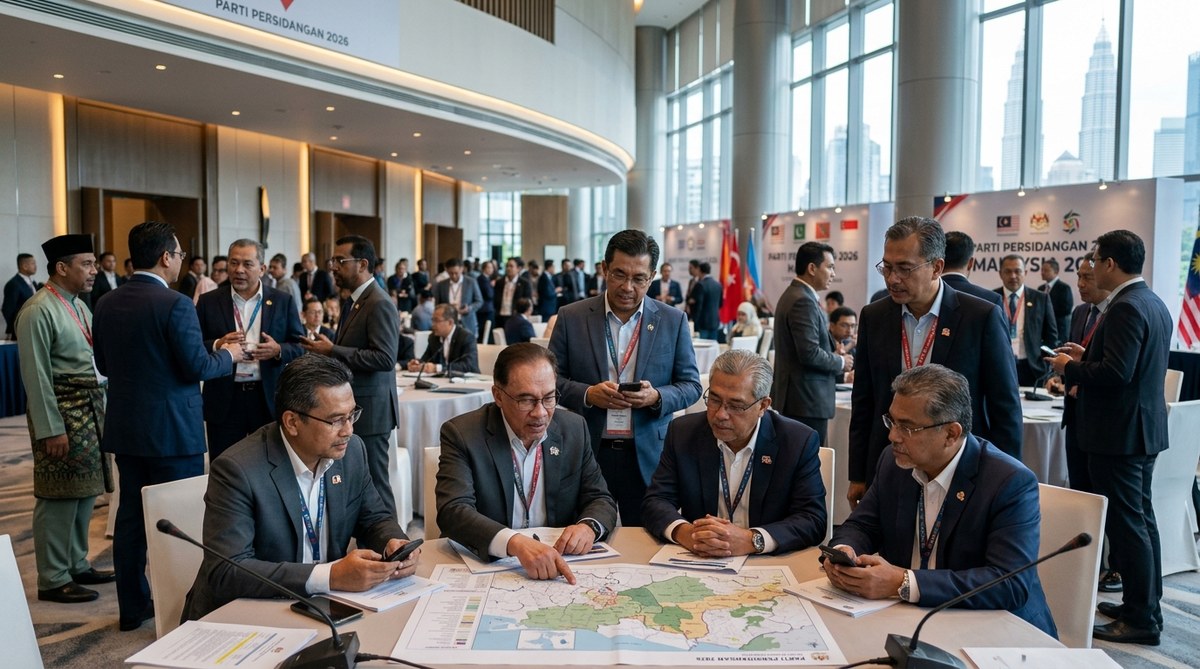
Following the 15th general election, Malaysia experienced a period of coalition negotiations and government formation. The fragmentation of votes meant no single party gained outright dominance. As a result, alliances such as Barisan Nasional, Pakatan Harapan, and Perikatan Nasional had to negotiate power-sharing agreements. The outcome has led to a more coalition-driven government, with an emphasis on stability and consensus.
The Role of Ethnicity and Identity Politics
While Malaysia has long grappled with ethnic-based politics, 2024 shows signs of a shift toward issue-based voting. Nevertheless, ethnic considerations remain a significant factor, especially in states like Sabah and Sarawak. Political parties are recalibrating their messaging to appeal to diverse communities while balancing ethnic interests.
Regional and ASEAN Influence
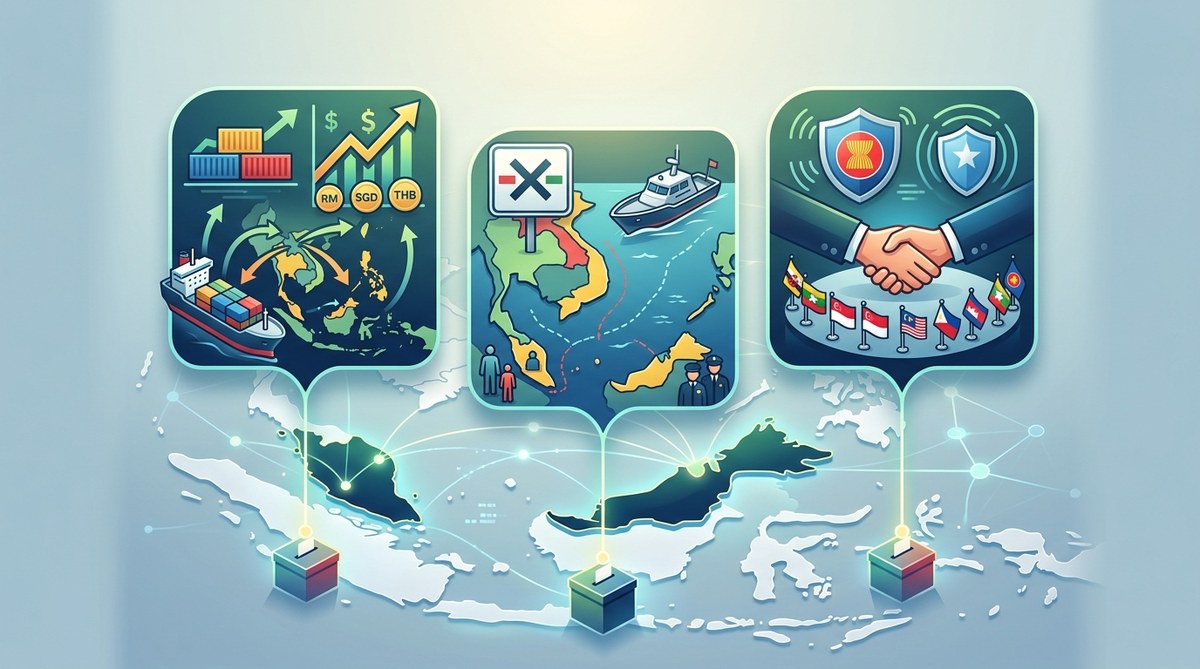
Malaysia’s regional position is also influencing its internal politics. With ASEAN countries facing their own political changes, Malaysia’s leadership is increasingly engaging in regional diplomacy. This external focus impacts domestic policies, especially on trade, security, and environmental issues.
Practical Steps to Understand Malaysia’s Political Shifts
- Follow reliable news sources and analyses to keep up with ongoing developments. Platforms like The Malaysian Times provide timely updates on political changes.
- Attend public discussions and forums involving political analysts and community leaders. These conversations often reveal deeper insights into the motives and implications of shifts.
- Study the history of Malaysia’s political coalitions to appreciate how current changes fit into broader patterns. Understanding past alliances and conflicts helps interpret new developments.
Techniques and Common Mistakes in Analyzing Political Changes
| Techniques | Mistakes to Avoid |
|---|---|
| Focus on primary sources like official statements and election results | Relying solely on social media rumors or biased outlets |
| Contextualize changes within historical patterns and regional trends | Ignoring the impact of voter demographics and regional differences |
| Use data and polls to gauge public sentiment | Overgeneralizing based on limited or recent data |
| Engage with multiple perspectives for a balanced view | Falling into echo chambers or partisan bias |
“To truly grasp the significance of Malaysia’s political shifts, one must consider both the immediate events and the underlying socio-economic currents shaping voter behavior.” – Political analyst Dr. Lina Ahmad
The Impact of Political Shifts on Daily Life
The unfolding political landscape influences many aspects of life in Malaysia. From economic policies and foreign relations to social cohesion and public services, each change has tangible effects. For example, new government priorities may lead to reforms in education or infrastructure projects, directly affecting everyday experiences.
Challenges Ahead
Despite the progress, Malaysia faces several hurdles. Political instability remains a concern, especially if alliances fail to hold. Ethnic tensions, economic pressures, and external regional influences could complicate the political environment further. Voters and leaders alike need to stay vigilant and adaptable.
How Malaysians Can Stay Informed and Engaged
- Regularly check trusted news outlets and official government updates.
- Participate in community dialogues to voice concerns and learn from others.
- Stay informed about regional developments that could impact Malaysia.
- Support civic education initiatives that promote understanding of political processes.
Malaysia’s Political Future in 2024 and Beyond
Looking ahead, Malaysia’s political shifts could lead to a more inclusive and participatory democracy. The rise of youth and independent voices suggests a move toward policies that reflect broader societal needs. However, the road remains uncertain, with potential for both stability and upheaval.
As voters, students, and analysts, staying informed and engaged is key. Understanding the dynamics at play enables Malaysians to influence the direction of their country meaningfully. By keeping an eye on developments and participating actively, everyone can help shape a resilient and prosperous Malaysia.
A Navigational Guide for Malaysians Facing Political Changes
Navigating Malaysia’s evolving political scene can seem daunting. Here are some practical steps to stay ahead:
- Stay updated with multiple news sources and expert opinions.
- Participate in community discussions and civic activities.
- Reflect on how these changes impact your life and future.
- Vote in elections and encourage others to do the same.
- Engage with regional and international developments that influence Malaysia.
By adopting these approaches, Malaysians can turn political shifts into opportunities for growth and positive change.
Remember, political change is a continuous process. Staying informed and involved empowers you to shape Malaysia’s future. As 2024 unfolds, your voice and actions will determine how resilient and inclusive the nation becomes. Keep learning, engaging, and contributing to the democracy you believe in.



Leave a Reply