
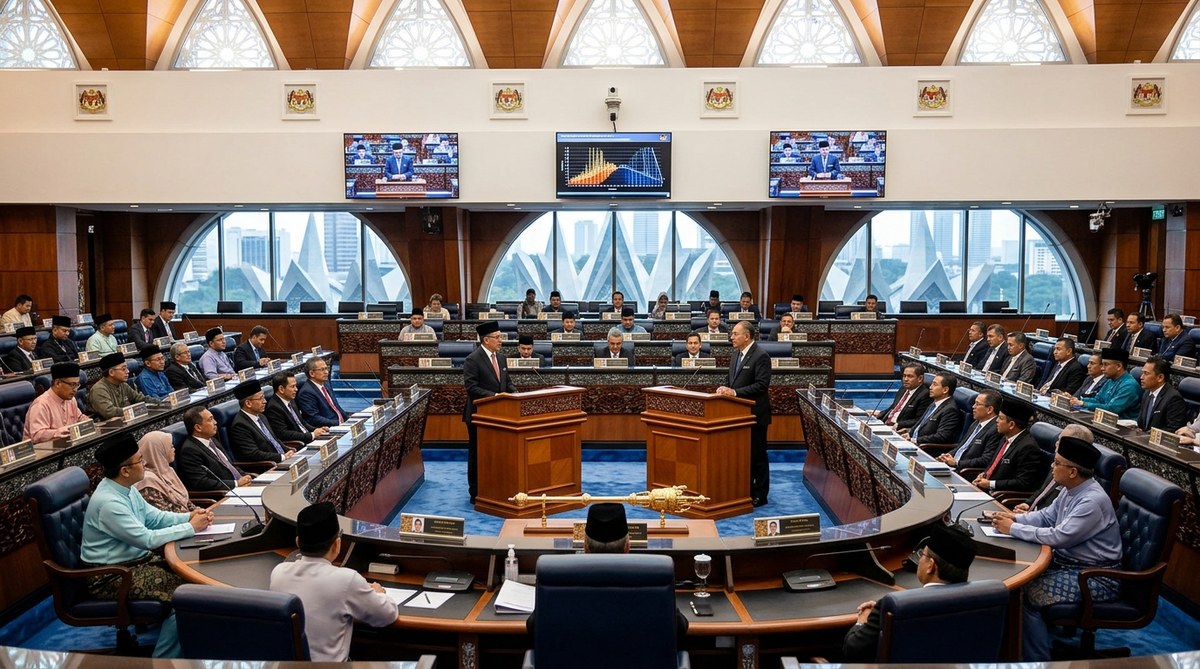
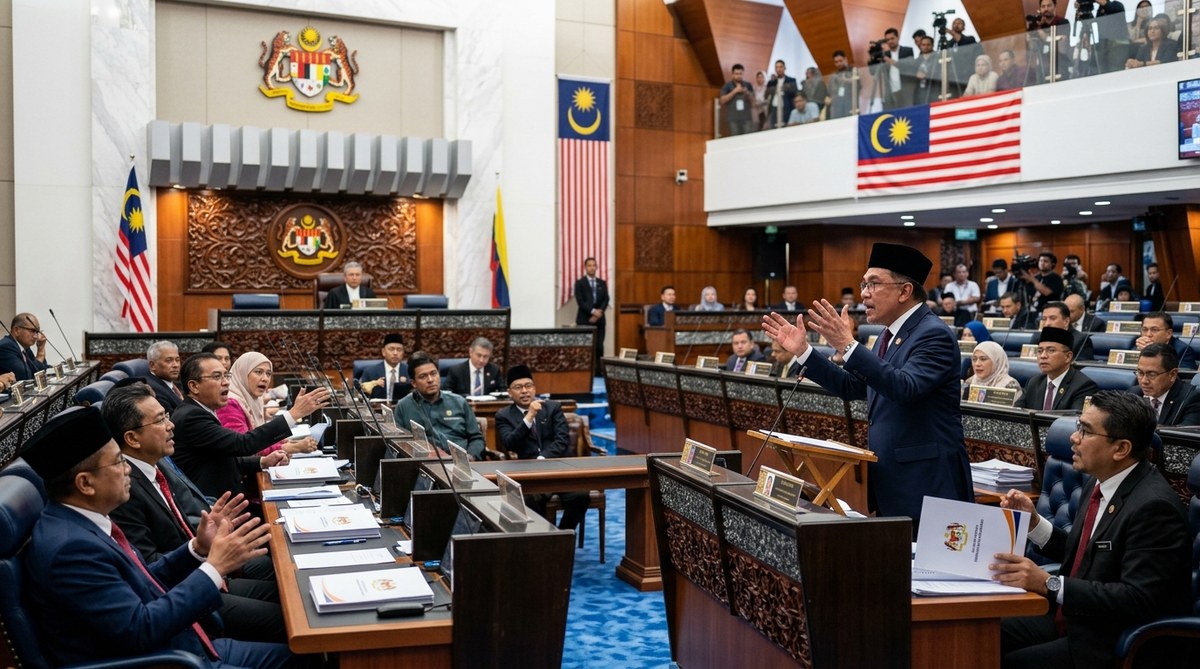
For years, the phrase “executive dominance” summed up Malaysia’s federal government. The executive branch, led by the Prime Minister and the Cabinet, held most of the cards. Parliament often felt like a rubber stamp. But something has changed. A series of quiet, persistent reforms has started to tilt the scale. These changes are not loud or flashy. They are structural, procedural, and they are slowly redefining how power flows in Putrajaya. For anyone tracking the health of our democracy, this shift is worth your full attention.
Malaysia’s parliamentary reforms are gradually restoring the legislature’s role as a check on the executive. Key changes include a revived Parliamentary Services Act, stronger select committees, and fixed-term rules for the Prime Minister. These moves aim to prevent power concentration, increase transparency, and give backbenchers and the opposition a real voice in governance.
The Core Problem: A Rubber Stamp Parliament
To understand the reform, you need to understand the problem. For decades, the executive branch controlled Parliament. The ruling coalition had a majority. Bills passed with little debate. The Dewan Rakyat rarely rejected government proposals. This imbalance was not an accident. The Federal Constitution gave the Yang di-Pertuan Agong power to appoint the Prime Minister, but the PM’s authority over the Cabinet and the civil service made the legislature weak in practice.
The tipping point came after the 2018 general election. A new government inherited a system designed for strong executive rule. The 2020 political crisis showed how fragile the balance was. Lawmakers realised that without a strong Parliament, the country could lurch from crisis to crisis. The reforms we see today are a direct response to those years of instability.
Three Reforms That Changed the Game
The changes are not a single law. They are a package of institutional upgrades. Here are the three most important ones.
1. The Revival of the Parliamentary Services Act
The original Parliamentary Services Act was repealed in 1992. That move removed Parliament’s autonomy. The legislature became dependent on the Prime Minister’s Department for its budget, staff, and operations. It was a major blow to its independence.
In 2024, the government passed a new Parliamentary Services Act. This law restores Parliament’s ability to manage its own affairs. It can now hire its own staff, manage its own budget, and operate without direct executive interference. This might sound technical, but it is a huge deal. A Parliament that controls its own resources can push back against the executive.
2. Stronger Parliamentary Select Committees
Select committees are small groups of MPs from different parties. They study bills, investigate issues, and hold ministers accountable. For years, these committees were weak or nonexistent. Today, they are one of the most powerful tools for oversight.
The government has established several new committees covering areas like finance, defence, and human rights. These committees now have the power to summon witnesses, demand documents, and publish reports. The Public Accounts Committee (PAC) has regained its teeth. It has called ministers and senior civil servants to answer for spending. This is a direct challenge to the old culture of secrecy.
3. Fixed-Term Limits for the Prime Minister
One of the most debated changes is the introduction of a fixed term for the Prime Minister. A constitutional amendment now limits a PM to two terms. This prevents any single leader from holding power indefinitely. It also reduces the risk of snap elections called for political advantage.
This reform is not just about Anwar Ibrahim. It sets a precedent for future leaders. It signals that the office of the Prime Minister is not a personal fiefdom. It is a temporary role subject to rules.
How the Balance of Power Is Shifting
Let’s look at the practical effects. The table below compares the old system with the new one.
| Area | Before Reform | After Reform |
|---|---|---|
| Budget Control | PM’s Department handled Parliament’s budget. | Parliament manages its own finances. |
| Oversight | Select committees were weak or inactive. | Committees can summon ministers and publish findings. |
| PM Tenure | No limit on terms. | Maximum of two terms. |
| Bill Scrutiny | Bills often passed with minimal debate. | More time for debate and committee review. |
| Civil Service | Executive controlled senior appointments. | Parliament has a role in confirming some key posts. |
The shift is real. But it is not complete. The executive still holds significant power. The Prime Minister still controls the Cabinet and the majority in the Dewan Rakyat. The reforms are a step toward a more balanced system, not a full transformation.
What This Means for Policy Analysts and Academics
If you study comparative governance, Malaysia is now a fascinating case. It is a hybrid system moving away from pure executive dominance. The reforms are not radical. They are incremental. But they are consistent.
For policy analysts, the key question is sustainability. Will future governments respect these changes? The Parliamentary Services Act is a law. It can be amended or repealed. The select committees rely on the cooperation of the ruling party. If a future government decides to ignore them, the system will weaken again.
“The true test of these reforms will be the first change of government after they are implemented. If the new government respects the new rules, Malaysia will have crossed a threshold. If it dismantles them, we will know the old system is still alive.” Professor Shad Saleem Faruqi, constitutional scholar.
This quote captures the uncertainty. The reforms are a framework. They need political will to survive.
Practical Steps for Citizens and Advocates
You do not need to be an MP to engage with these changes. Here are three ways to get involved.
- Follow the select committees. Their reports are public. You can read them to see how your MP is performing. Look for the Public Accounts Committee and the Human Rights Committee.
- Attend parliamentary sessions. The Dewan Rakyat and Dewan Negara sessions are open to the public. You can watch the debates online or visit the Parliament building.
- Contact your MP. Ask them about their work on specific committees. Hold them accountable for the reforms. A simple email or social media message can make a difference.
These actions seem small. But they build a culture of accountability. When citizens pay attention, MPs pay attention too.
The Role of Youth and Civil Society
Young Malaysians have a huge stake in this. The reforms are about the future of the country. A balanced Parliament means better policy. Better policy means better jobs, better schools, and a better environment.
Civil society groups like Bersih and the Bar Council have pushed for these changes for years. They monitor the government and publish reports. Their work keeps the pressure on. If you are a student or a young professional, joining these groups is a direct way to support reform.
For a broader view of how young people are influencing politics, read about the role of youth in shaping Malaysia’s political future.
Challenges That Remain
The reforms are not a magic solution. Several challenges remain.
- Party discipline. Malaysian MPs are highly loyal to their party whips. This limits how much they can vote against the government, even on committee recommendations.
- Civil service resistance. The bureaucracy is still used to top-down control. Some senior officers resist the new oversight.
- Public awareness. Many Malaysians do not know about these reforms. Without public pressure, the changes can be reversed.
These obstacles are real. But they are not insurmountable. The reforms have created new spaces for accountability. It is up to citizens and civil society to fill them.
A New Chapter for Malaysian Democracy
The quiet reforms in Parliament are slowly changing how power works in Malaysia. The executive is no longer the only player that matters. Select committees have real authority. The Prime Minister now has a term limit. Parliament controls its own budget.
These changes do not guarantee a perfect democracy. They do create a more level playing field. They give the opposition and backbenchers a real voice. They make the government more transparent.
For anyone who cares about the future of this country, this is a moment to watch. The reforms are still fragile. But they are real. And they are a sign that Malaysia is ready for a more mature, more balanced system of governance.
To see how these changes connect to broader political trends, check out our analysis of how Malaysia’s political landscape will evolve in 2026. And for a deeper look at the institutional side, read about how Malaysia’s civil service reform is redefining governance in 2026.
The next time you hear about a parliamentary debate or a select committee report, pay attention. It is not just political noise. It is the sound of a system learning to balance itself.






Leave a Reply