

Malaysia’s political coalitions in 2026 are being reshaped by three forces: eroding voter loyalty to traditional parties, the growing influence of Sabah and Sarawak, and the emergence of cross-bloc pacts. Analysts who track these signs can better anticipate the next general election and the stability of the Madani government.
Why Coalition Loyalty Is No Longer a Given
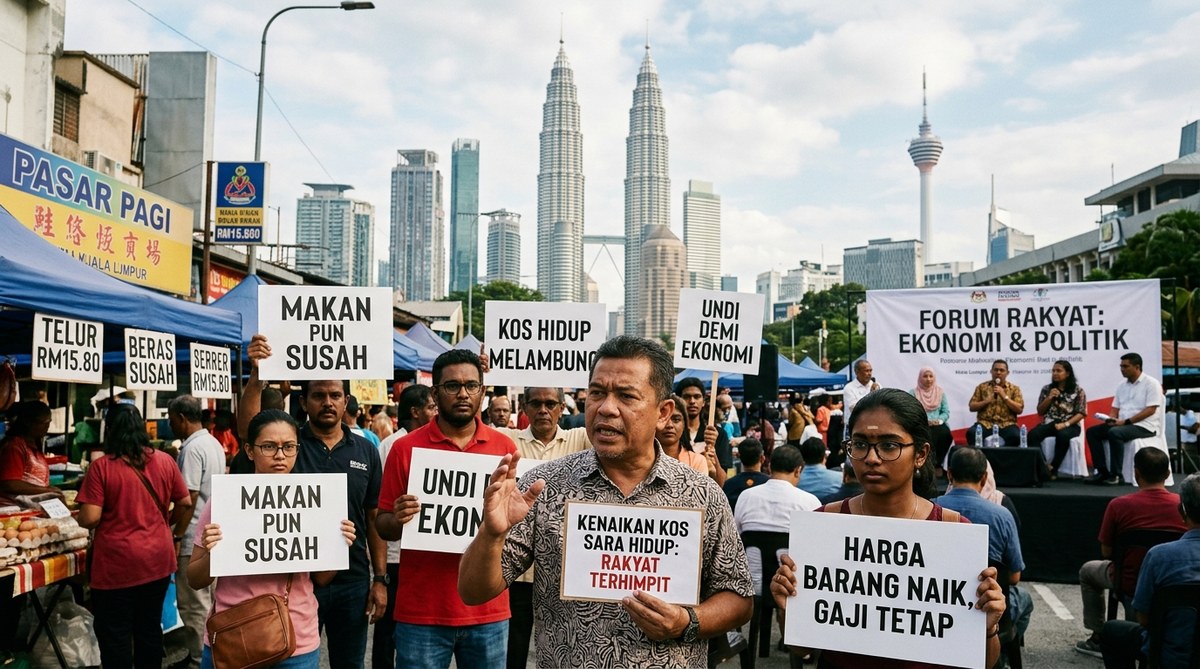
The days when a Malaysian voter would automatically support the same coalition their parents supported are fading. In 2026, political allegiance has become transactional. Voters in urban seats like Damansara and rural strongholds like Jeli are making decisions based on cost of living, economic performance, and the credibility of individual leaders rather than party branding.
This shift is most visible in the Malay heartland. Perikatan Nasional has managed to hold onto a loyal base in Kelantan and Terengganu, but cracks are appearing. A survey conducted by Merdeka Center in March 2026 found that nearly 40% of Malay respondents under 40 said they would consider voting for a coalition outside PN if it offered better economic policies. That is a seismic change from the 2018 and 2022 elections.
For political analysts, this means the old assumption that ethnic blocs vote as a single unit no longer holds. The implications for coalitions are huge. Without guaranteed loyalty, parties must work harder to earn votes in every cycle. This instability is one of the clearest signs that Malaysia political coalitions 2026 are in flux.
“We are seeing a generation of voters who treat elections like a supermarket. They compare offers, check the receipts, and switch brands if the price is right. Coalitions can no longer rely on inherited support.” – Dr. Azman Ibrahim, political science lecturer at Universiti Malaya.
To keep up, coalitions are investing in data and local outreach. Here are three practical steps parties are using to rebuild voter trust:
- Microtargeting by constituency – Using demographic data and social media listening tools to tailor messages for specific areas.
- Direct benefit programmes – Launching small but visible projects like repairing community halls or subsidising school supplies.
- Leader visibility drives – Sending senior leaders to hold townhall sessions in marginal seats at least once a month.
But even these efforts may not be enough if the underlying distrust runs deep. Analysts should monitor by election results and by election turnouts carefully in the second half of 2026.
The Rise of Regional Influence from Sabah and Sarawak
East Malaysia has always been a kingmaker in federal politics, but in 2026 its role is shifting from passive supporter to active deal broker. The Gabungan Rakyat Sabah (GRS) and Gabungan Parti Sarawak (GPS) are no longer content to simply back whichever coalition wins Putrajaya. They are now negotiating for more autonomy, bigger budget allocations, and cabinet positions that reflect their weight.
This is not just about local issues like the Malaysia Agreement 1963 (MA63). It is about the balance of power inside the government itself. Prime Minister Anwar Ibrahim’s Madani coalition relies on 40-plus seats from East Malaysia to maintain its slim majority. If those parties decide to shift allegiance, the government could fall. This gives GPS and GRS enormous leverage.
One clear signal of this change came in January 2026 when GPS publicly demanded that the federal government return 40% of net revenue collected in Sarawak, as stipulated by the constitution. The fact that they made this demand publicly, rather than behind closed doors, shows that East Malaysian parties are no longer afraid to confront the federal government.
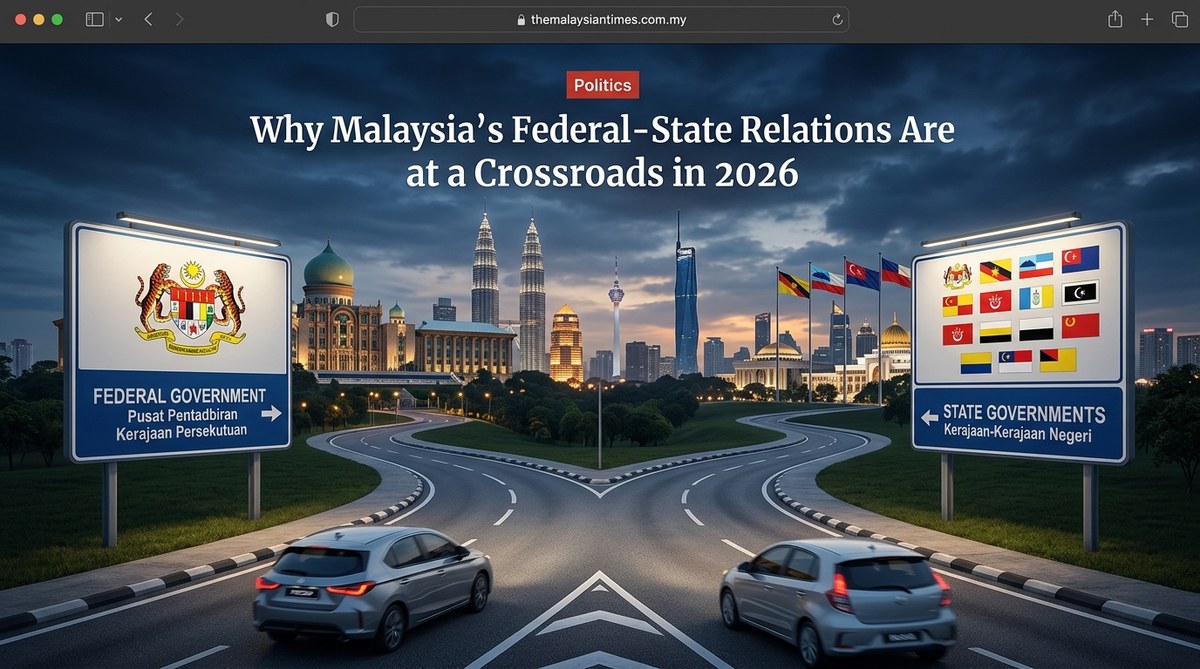
For those tracking Malaysia political coalitions 2026, the relationship between Putrajaya and the Borneo states is a critical variable. A split in support from Sabah or Sarawak could trigger a realignment that forces new alliances.
| Coalition Strategy | Common Mistake | Better Approach |
|---|---|---|
| Promise big budget increases to East Malaysia | Overpromise and underdeliver, creating resentment | Set specific, measurable milestones and report progress |
| Appoint East Malaysian leaders to senior cabinet posts | Choose based on party ties rather than competence | Select leaders with proven administrative record |
| Use MA63 as a negotiation chip | Delay implementation indefinitely | Create a joint task force with clear deadlines |
As the table shows, the way the federal government handles East Malaysia will either strengthen or weaken coalition stability.
New Alliances Are Forming Outside the Old Blocs
The third sign is the most surprising. In 2026, political parties are beginning to form cross blocs on specific policy issues, even while remaining competitors at election time. This is unheard of in Malaysia’s typically adversarial system.
For example, in March 2026, MPs from both Pakatan Harapan and Perikatan Nasional jointly sponsored a private member’s bill to improve flood mitigation funding. The bill passed with support from both sides, while many backbenchers from Barisan Nasional abstained. This cross party cooperation on policy is a sign that the old ideological lines are blurring.
Younger MPs, especially those under 40, are driving this trend. They have less attachment to the historical feuds between BN, PH, and PN. They see governance as the priority. This could lead to a more fluid parliamentary environment where coalitions form and dissolve based on the issue at hand, rather than a fixed pre election pact.
- More legislative collaboration between government and opposition.
- Rise of issue based voting blocs.
- Decline of party discipline on non confidence motions.
- Possibility of a unity government becoming a permanent fixture.
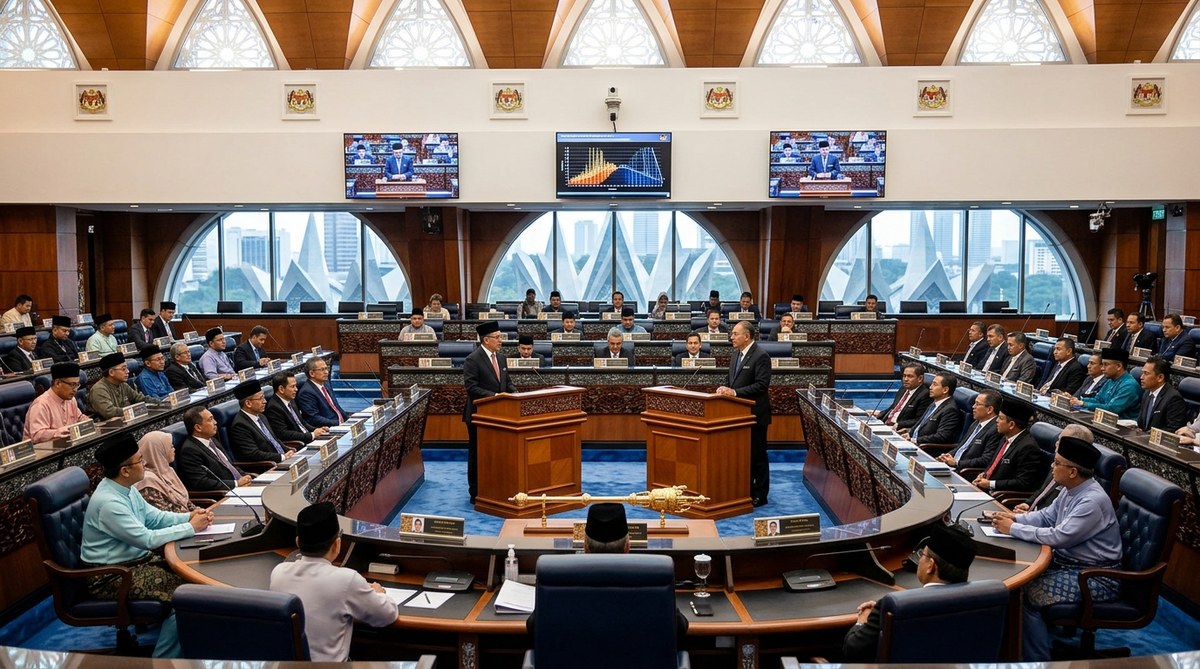
This development challenges the traditional two or three bloc model. If you are an academic or journalist covering Malaysia political coalitions 2026, you need to watch how MPs vote on key bills, not just the party lines. The real story may be in the alliances that form in the Dewan Rakyat corridor, not in the campaign trail.
To understand these shifts better, you can read more in Understanding Malaysia’s Political Landscape Post-Elections and The Role of Youth in Shaping Malaysia’s Political Future. Both pieces provide context on how these forces have been building for years.
What This Means for the Next General Election
If these three signs continue to strengthen, the next general election (PRU16) will look very different from previous ones. We could see coalitions form and break within months of the polls. We could also see a hung parliament becoming the norm, forcing parties into messy post election negotiations.
The Madani government has shown surprising resilience so far, but its survival depends on holding together a very diverse coalition that includes PKR, DAP, Amanah, UMNO, GPS, and GRS. Any one of those partners could walk away if the terms no longer suit them.
For analysts, the key is to stop thinking about coalitions as fixed structures and start seeing them as dynamic networks. Track the informal meetings between party leaders. Watch the state elections in Sabah (expected in late 2026) – they will be a dry run for federal realignments.
You might also want to check Is Malaysia Heading Toward a Two-Party System by 2026? for a deeper look at whether the current fragmentation will eventually consolidate into two broad camps.
Staying Ahead of the Shifts
Malaysia’s political coalitions in 2026 are not collapsing, but they are bending. Voters are less loyal. East Malaysia is pushing for more power. Cross party cooperation is on the rise. These trends may seem small on their own, but together they point to a system that is evolving into something more fluid and more unpredictable.
The best thing you can do as a political observer is to keep your analysis grounded in evidence. Track by election results, read the parliamentary hansard, follow the press releases from GPS and GRS, and pay attention to the quiet conversations between backbenchers. The signs are there if you know where to look.
We hope this breakdown helps you make sense of the shifting landscape. Share your own observations with us in the comments or on social media – the conversation is more useful when it includes many perspectives.


Leave a Reply