

Malaysia’s political landscape in 2024 is more dynamic than ever. Recent movements and shifting alliances are reshaping the country’s governance and policy direction. As Malaysia navigates complicated domestic issues and regional influences, understanding these developments becomes crucial for researchers, analysts, and students alike. This guide offers a deep dive into the latest political movements, their causes, implications, and what they mean for Malaysia’s future.
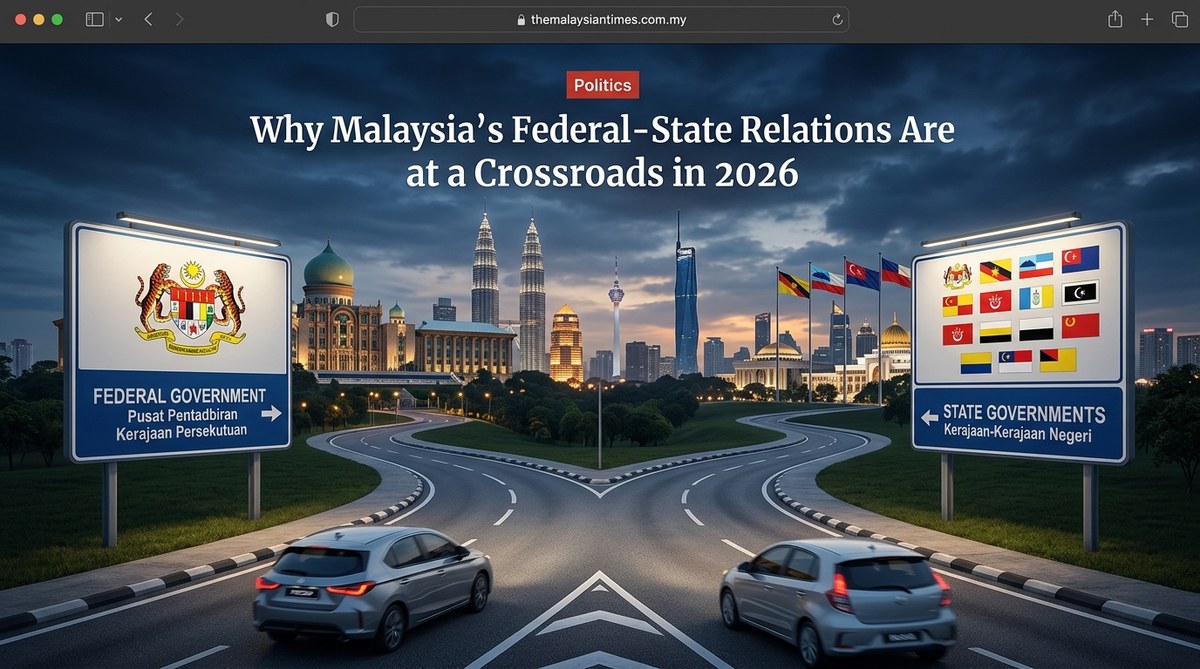
Malaysia’s political movements in 2024 reveal a nation at a crossroads. Fragmentation, new alliances, and reform efforts are shaping a complex future. Staying informed helps stakeholders anticipate changes and engage meaningfully with Malaysia’s evolving governance landscape.
Shifting Power Dynamics and Emerging Movements
Malaysia’s political arena in 2024 is marked by significant shifts. The long-standing dominance of the Barisan Nasional coalition has been challenged by new political forces and the re-emergence of familiar faces in new contexts. Several factors drive these movements, including public dissatisfaction, regional influences, and internal party dynamics.
Fragmentation of Political Parties
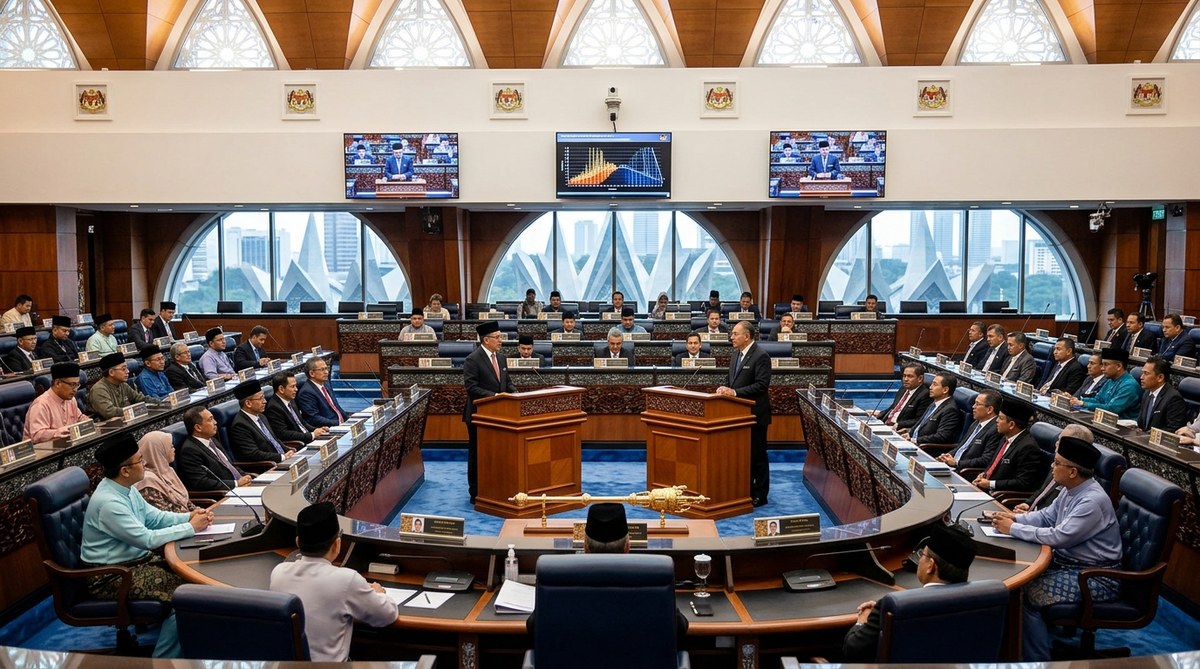
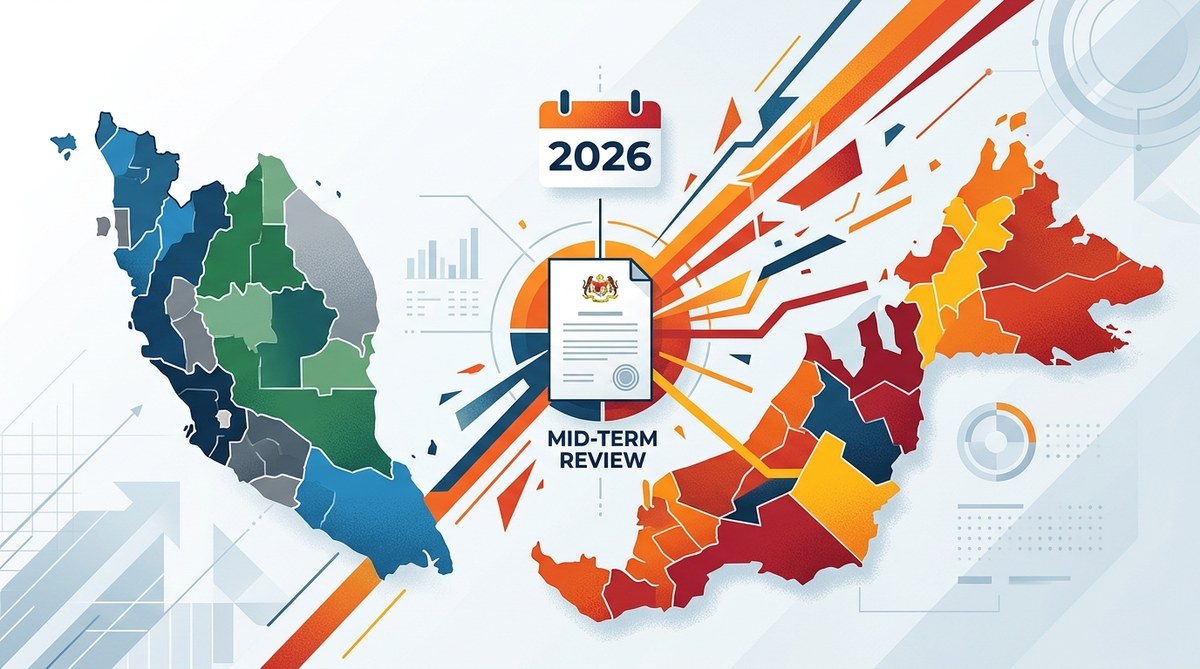
One of the key features of Malaysia’s recent political movements is the fragmentation within major parties. The ruling coalition, previously stable, now faces internal disagreements and deflections. Politicians switch allegiances, forming new coalitions or alliances to better reflect their constituencies’ needs. This fragmentation results in a more unpredictable parliamentary landscape, complicating the formation of stable governments.
Rise of Reformist and Populist Movements
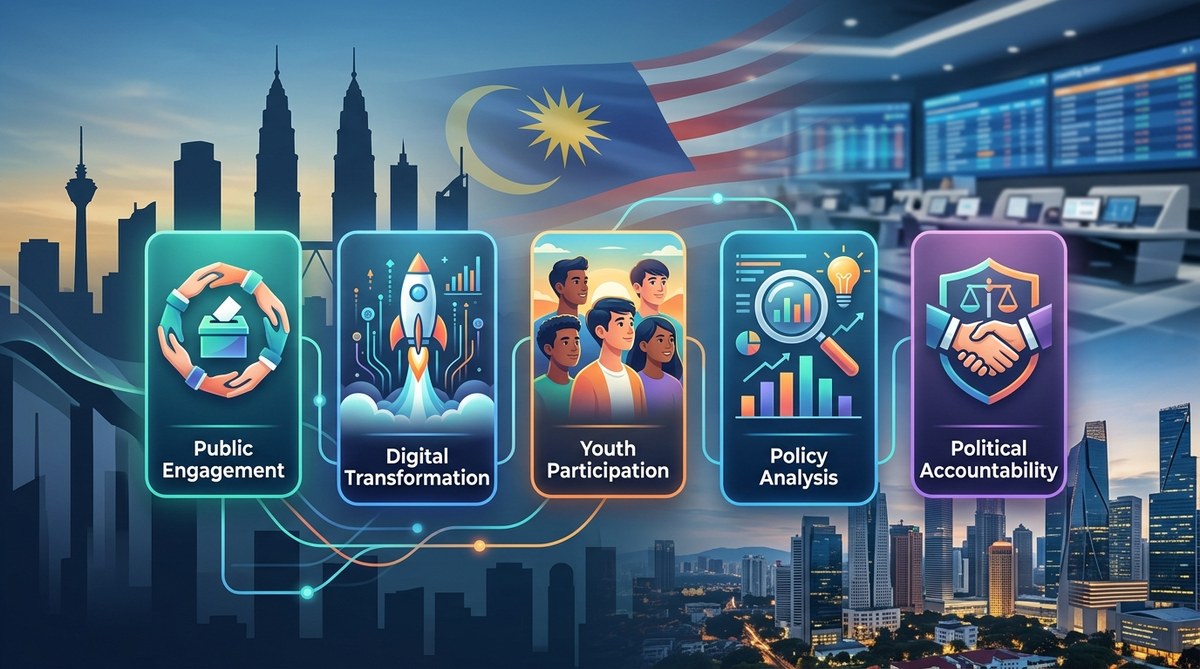
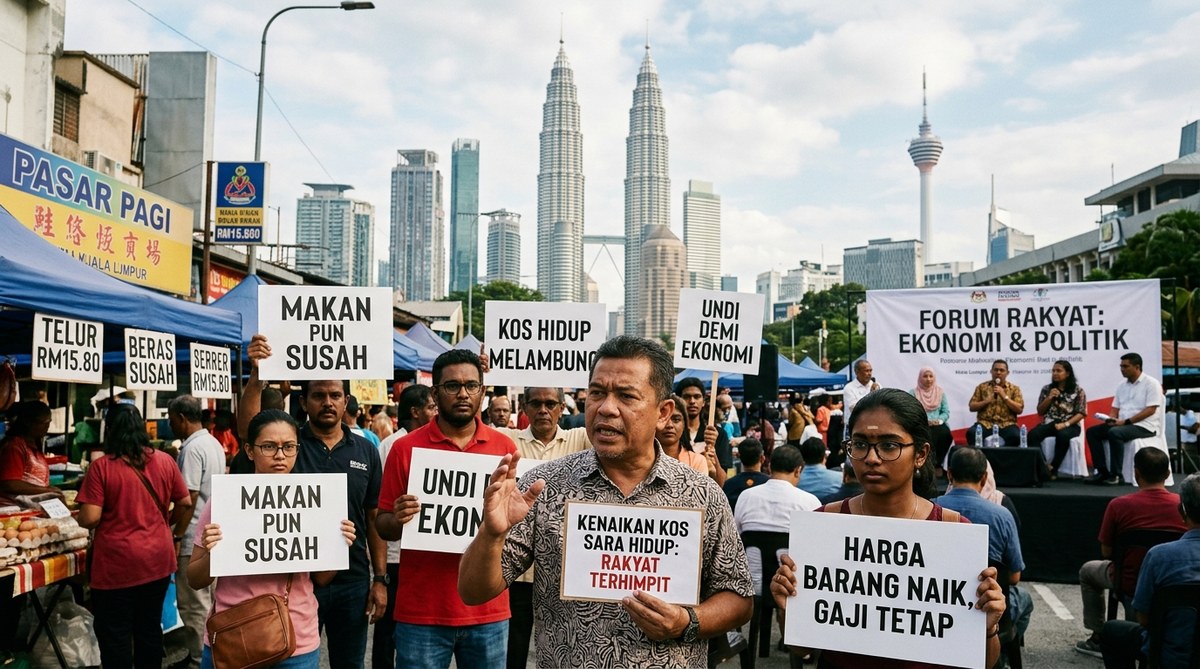
Amidst this fragmentation, reformist voices have gained traction. Movements advocating for transparency, anti-corruption measures, and social justice have mobilized youth and civil society. Simultaneously, populist rhetoric from certain leaders appeals to economic frustrations and identity concerns, further diversifying the political discourse.
Regional and International Influences
External influences also shape Malaysia’s political movements. ASEAN regional politics, US-China tensions, and diplomatic relations play roles in internal debates about sovereignty, economic policy, and security. These influences often reinforce or challenge national narratives, prompting politicians to adapt their strategies accordingly.
The Impact on Future Governance
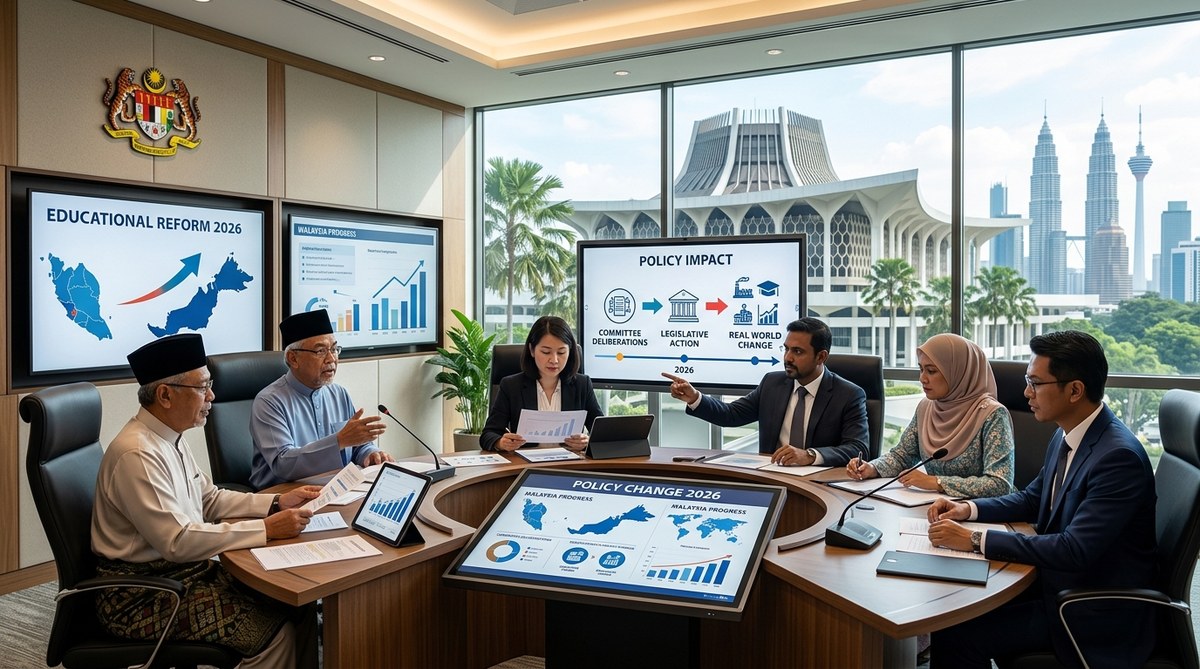
Understanding these movements is vital because they directly influence Malaysia’s governance models and policy priorities. Several implications are worth noting:
1. Increased Political Instability
The ongoing fragmentation and emergence of new coalitions create a fragile political environment. Governments may find it harder to implement long-term policies, risking policy reversals and inconsistent enforcement. Such instability can impact economic growth and foreign investment.
2. Policy Shifts Toward Social Justice and Transparency
Reformist movements push for greater accountability. If these gain enough momentum, future policies could focus more on social justice, anti-corruption, and inclusive governance. This trend aligns with regional aspirations for good governance but faces resistance from entrenched interests.
3. Regional Diplomacy and Economic Strategies
Malaysia’s political movements also influence regional diplomacy. Leaders may adjust their foreign policies based on domestic political pressures, impacting trade agreements and regional cooperation. For example, a shift towards more populist or nationalist rhetoric could affect Malaysia’s regional commitments.
Practical Steps for Analyzing Malaysia’s Political Movements
Researchers and analysts seeking to understand these developments should consider the following approach:
-
Monitor political party activities and coalition formations. Track changes in alliances and leadership shifts through reliable news sources and official statements.
-
Engage with civil society and grassroots movements. These groups often reveal underlying sentiments and emerging issues not immediately visible in mainstream politics.
-
Analyze regional and international influences. Consider how external geopolitical tensions and economic partnerships impact domestic political discourse.
Techniques to Enhance Your Analysis
| Technique | Description | Common Mistakes |
|---|---|---|
| Data triangulation | Cross-referencing multiple sources for accuracy | Relying on a single news outlet or social media rumor |
| Longitudinal studies | Tracking trends over time for pattern recognition | Ignoring recent developments or context shifts |
| Stakeholder interviews | Gaining insights from political insiders and community leaders | Overgeneralizing based on limited opinions |
“In Malaysia’s volatile political environment, staying updated on party dynamics and civil movements provides the clearest picture of future governance trajectories.” — Political analyst Dr. Lee Tan
Key Players and Their Roles
Several figures and groups stand out in shaping Malaysia’s political movements in 2024:
- Prime Minister Anwar Ibrahim: Continues to push reforms but faces internal party challenges.
- Opposition leaders: Focus on consolidating support amid shifting alliances.
- Civil society groups: Amplify calls for transparency and social justice.
- Regional actors: Influence through diplomatic and economic channels.
What to Watch Moving Forward
The coming months will be crucial for Malaysia. Watch for:
- Coalition negotiations: Will new alliances stabilize or further fragment the political landscape?
- Policy reforms: Will reformist agendas materialize into concrete policies?
- Public sentiment: How will voter attitudes evolve amid ongoing political turbulence?
How to Keep Up with Malaysia’s Political Pulse
Staying informed involves a mix of following credible news outlets, engaging with expert commentaries, and analyzing social media trends. For those interested in a comprehensive understanding, consulting regional think tanks and policy institutes provides valuable insights into the broader implications of these movements.
The Power of Informed Engagement
Understanding Malaysia’s political movements in 2024 helps shape informed opinions and strategies. Whether you are a researcher, student, or journalist, staying curious and critical is key. Engage with diverse perspectives, question sources, and consider regional contexts to develop a nuanced view.
Moving Towards a Resilient Malaysia
As Malaysia navigates these complex political shifts, resilience and adaptability will be vital. The country’s future depends on how effectively stakeholders manage fragmentation, prioritize reforms, and foster inclusive governance. Your role as an analyst or observer is to keep a close eye, question assumptions, and contribute to the discourse.
In summary, Malaysia’s political landscape in 2024 reflects a nation in transition. Fragmented parties, reformist movements, and external influences are all shaping a future that remains uncertain yet full of potential. Staying informed and analytical will empower you to anticipate changes and understand their broader significance.
Remember, engaging deeply with ongoing developments helps shape smarter policies and better understanding of Malaysia’s evolving governance. Keep following reputable sources and participate actively in discussions to stay ahead in this rapidly changing environment.


Leave a Reply