
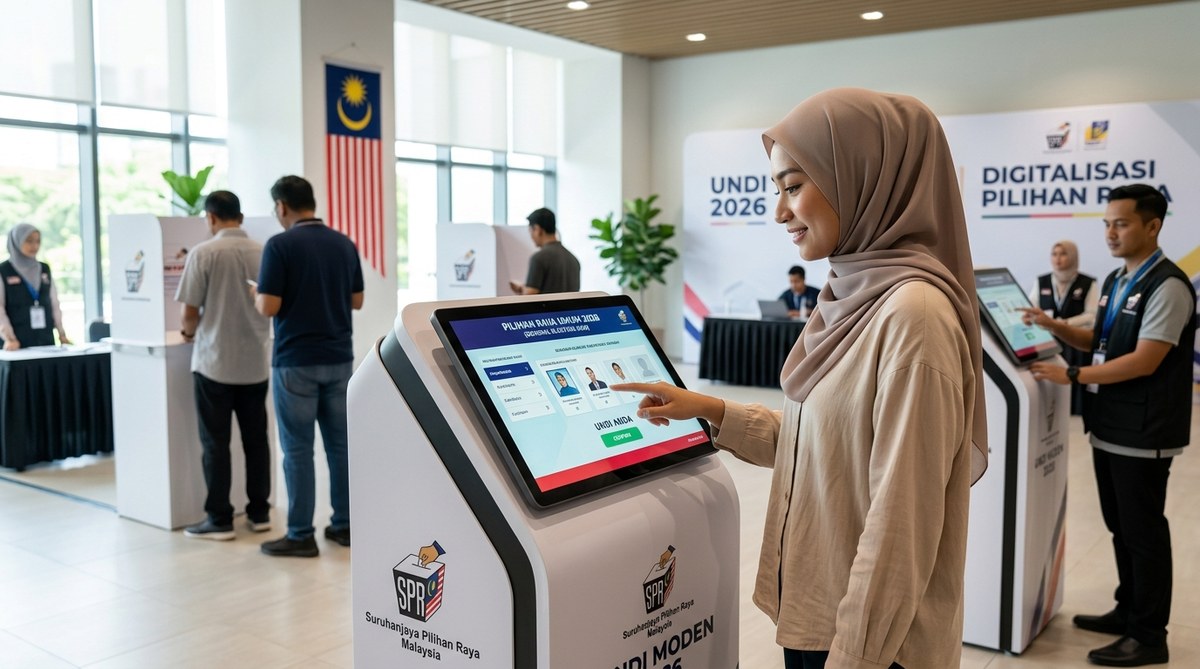
Picture this: you are standing in line at your local polling station in 2026. Instead of fumbling for your identity card and waiting for ink, you simply scan your thumbprint on a sleek terminal. The machine confirms your identity in seconds. Your vote is cast electronically, and the result is recorded instantly. This scenario is not science fiction. It is the future the Malaysia Election Commission (SPR) is actively building.
The SPR has announced a comprehensive plan to modernize the electoral process in 2026. For too long, Malaysia has relied on manual systems that are slow and prone to human error. The new roadmap aims to change that. It promises greater transparency, faster results, and a more inclusive system for all Malaysians, including those living abroad and in remote areas like Sabah and Sarawak.
The Malaysia Election Commission modernization 2026 plan focuses on three core areas: digital voter registration, biometric verification at polling stations, and electronic vote counting. These changes aim to reduce long queues, eliminate voter fraud, and deliver election results within 24 hours. For the average Malaysian voter, this means a smoother, faster, and more trustworthy voting experience.
Why Malaysia Needs a Digital Upgrade Now
Malaysia’s voting system has been largely unchanged for decades. We still use paper ballots, manual counting, and indelible ink. While these methods have served us, they are showing their age. In the last general election, we saw complaints about missing names on rolls, long waits, and delayed results that stretched for days.
The need for change is clear. A growing population, more young voters, and rising expectations for digital services mean the old system cannot keep up. The SPR has taken note. Their modernization plan is not just about adopting new gadgets. It is about restoring faith in the democratic process.
The Core Pillars of the 2026 Modernization Plan
The SPR has outlined several key initiatives. Let us break them down into practical steps.
-
Biometric Voter Verification at Every Station. Every polling station will have biometric scanners. Voters will confirm their identity using fingerprints. This step eliminates impersonation and speeds up the check in process.
-
End to End Electronic Voting (E Voting). Instead of paper ballots, you will use a touchscreen machine to select your candidate. The machine prints a paper receipt for verification. This hybrid system keeps a physical record while enabling faster counting.
-
Real Time Results Dashboard. Once polls close, results from each channel will be uploaded to a central dashboard. The public can watch the tally live. This transparency is designed to reduce allegations of fraud.
-
Automatic Voter Registration. If you turn 18, you are automatically added to the roll. No more manual applications. The SPR will sync with the National Registration Department (JPN) to keep records up to date.
What This Means for Voters in Sabah and Sarawak
Voters in East Malaysia know the struggle of traveling long distances to vote. The modernization plan includes mobile polling units equipped with satellite connectivity. These units will serve remote longhouses and rural villages. The goal is to ensure no Malaysian is left behind.
The SPR is also looking at early voting for those who work in the interior or offshore. If you are a planter in Sabah or a fisherman in Sarawak, you will have more flexibility. This is a big step toward equity.
“The modernization of our electoral system is not a luxury. It is a necessity for a maturing democracy. We are committed to making every vote count, and every vote secure.”
A senior SPR official during a 2026 policy briefing
A Quick Look at the Old vs. New System
Here is a simple comparison to show how things will change.
| Feature | Old System (Pre 2026) | New System (2026) |
|---|---|---|
| Voter Registration | Manual form, long processing | Automatic at age 18, online portal |
| Identity Check | Visual check of MyKad | Biometric fingerprint scan |
| Ballot Method | Paper ballot, manual marking | Electronic touchscreen + paper receipt |
| Counting | Hand counting by volunteers | Machine scanning + manual audit |
| Result Delivery | 3 to 5 days for full count | Within 24 hours for most seats |
| Accessibility | Fixed polling stations | Mobile units for remote areas |
Addressing Common Concerns About Electronic Voting
Many Malaysians worry about hacking or machine failure. The SPR has addressed these concerns head on. The new machines will not be connected to the internet during voting. They operate on a closed local network. The paper receipt is your safeguard. If there is a dispute, officials can recount the paper trail.
The Commission has also promised a public demonstration period. Voters can test the machines at selected community centers before election day. This hands on approach should help reduce anxiety.
How You Can Prepare for the New System
The shift to digital voting means you need to update your details. Here are a few things to do now.
- Check your current voter registration status online.
- Ensure your MyKad has the latest address and photo.
- Update your phone number with the SPR to receive election alerts.
- Familiarize yourself with the new machines during trial runs.
The SPR has also launched a mobile app. You can use it to find your polling station, see wait times, and view your ballot sample. This app will be available for download later this year.
The Role of Youth in This Transformation
Young voters are the biggest beneficiaries of this change. If you are between 18 and 25, you have grown up with technology. The new system speaks your language. Automatic registration means you do not have to jump through hoops to vote. The digital dashboard lets you follow results like a sports match.
This could be the key to higher youth turnout. In the 2022 election, only about 70% of young voters cast their ballots. The SPR hopes that a smoother process will push that number higher. If you want to understand how this fits into the bigger picture, read more about the role of youth in shaping Malaysia’s political future.
Potential Challenges the SPR Must Overcome
No plan is perfect. The SPR faces real hurdles.
- Internet connectivity in rural areas. Not all polling stations have stable internet. The mobile units rely on satellite, which can be expensive.
- Training for election staff. Thousands of volunteers need to learn the new machines. This takes time and money.
- Public trust. Some voters are skeptical of electronic systems. The SPR must run a strong public education campaign.
- Cybersecurity. While machines are offline, the central database is not. Protecting voter data is a top priority.
The Commission has set aside a dedicated budget for these issues. They are also working with international election monitoring bodies for advice. This is not a blind leap. It is a calculated step forward.
What the Timeline Looks Like
The SPR has released a phased rollout plan.
- First quarter 2026. Pilot testing in selected urban constituencies like Petaling Jaya and Kuching.
- Second quarter 2026. Expansion to all state capitals and major towns.
- Third quarter 2026. Full deployment for the next general election or by elections.
If you live in a rural area, you might not see the new machines until the third quarter. That is okay. The pilot phase will help iron out bugs.
How This Connects to Broader Political Changes
Electoral reform does not happen in a vacuum. These technical changes are part of a larger shift in how Malaysia governs itself. The push for transparency aligns with new anti corruption measures. The focus on youth engagement matches the rise of digital campaigning. To see how these threads come together, check out our analysis of how Malaysia’s political landscape will evolve in 2026.
The modernization of the Election Commission is also a signal to investors and international partners. It shows that Malaysia is serious about democratic integrity. This can boost our standing in ASEAN and beyond.
Your Vote, Your Future
The Malaysia Election Commission modernization 2026 plan is ambitious. It aims to bring our voting system into the 21st century. For you, the voter, the benefits are clear. Shorter lines. Faster results. Greater trust. But technology alone is not enough. The system only works if you participate.
So take a few minutes this week to check your registration. Download the SPR app when it launches. Go to a demo session if you can. And when election day comes, walk into that polling station with confidence. The future of Malaysian democracy is in your hands.
For a deeper look at how these reforms fit into the broader governance picture, read our piece on how Malaysia’s civil service reform is redefining governance in 2026. It will help you see the full landscape of change happening across the country.


Leave a Reply