

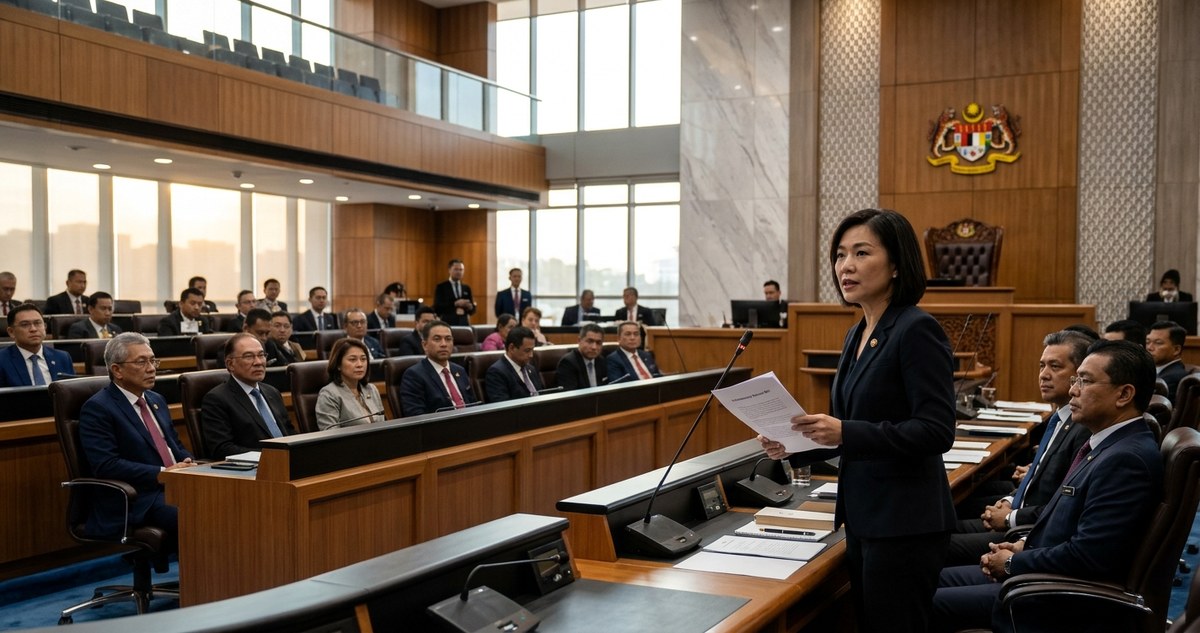
The political chessboard in Malaysia is shifting faster than most analysts predicted. As the 2026 general election approaches, the usual lines between friends and rivals are blurring. Parties that spent years attacking each other are now holding closed door meetings. Old grudges are being set aside for cold, strategic calculations. For the average Malaysian voter, this feels confusing. For political analysts and journalists, it is a fascinating puzzle. We are watching the birth of new coalitions that would have seemed impossible just a few years ago. This is not just about who sits where. It is about survival, power, and the future direction of the country.
Three unexpected coalitions are reshaping Malaysia’s 2026 pre-election landscape. The first links a faction of Bersatu with PKR defectors. The second unites smaller Sabah parties against the dominant state coalitions. The third is a quiet understanding between PAS and a segment of UMNO. These alliances could decide the next government.
The Unlikely Alliance of Former Rivals
The most surprising development in the 2026 pre-election maneuvering is the emerging pact between a breakaway group from Bersatu and a cluster of former PKR leaders. These two groups were on opposite sides of the political divide after the Sheraton Move. Today, they are sharing a platform.
What changed? Both groups felt trapped. The Bersatu faction felt sidelined by the party’s growing closeness to PAS. The PKR defectors found themselves without a clear path back to power within the current unity government structure. Their shared frustration became a bridge.
This new coalition is calling itself “Gabungan Rakyat Madani” or GRM for short. They are positioning themselves as the true middle ground. Their pitch to voters is simple: we are not the old guard, and we are not the extreme fringe. They plan to contest at least 40 parliamentary seats, focusing on mixed urban and semi urban areas where the Malay vote is split three ways.
For political analysts, the viability of GRM depends on one thing. Can they agree on a single candidate for Prime Minister before nomination day? If they fail, the coalition will collapse before it even starts. If they succeed, they could pull votes from both Pakatan Harapan and Perikatan Nasional.
The Borneo Bloc: Sabah’s New Political Equation
Sabah has always played by its own rules. In 2026, those rules are being rewritten. A new coalition called “Perikatan Sabah Maju” (PSM) has formed, bringing together three smaller local parties that previously ran against each other. They have one goal: to challenge the dominance of Gabungan Rakyat Sabah (GRS) and Barisan Nasional in the state.
Why is this happening now? The federal unity government has been slow to deliver on the Malaysia Agreement 1963 (MA63) promises. Voters in Sabah are tired of waiting. Local leaders see an opportunity to channel that frustration into seats.
The PSM coalition is built on three pillars:
- A promise to push harder for MA63 rights
- A focus on local economic issues like palm oil prices and infrastructure
- A rejection of “peninsula politics” in state elections
This coalition is a wild card. They might only win a handful of seats. But in a tight election, those seats could determine who forms the federal government. Both Anwar Ibrahim and Muhyiddin Yassin will have to court PSM leaders for support. This gives Sabah more leverage than it has had in decades.
The Quiet Understanding Between PAS and UMNO
Here is the coalition nobody wants to talk about openly. Behind the scenes, a strategic understanding is forming between a wing of PAS and a faction within UMNO. They are not merging. They are not signing any public agreement. But they are signaling to their supporters that they will not attack each other in certain seats.
This is a direct result of the Melaka state election results. Both parties saw that three corner fights only benefited Pakatan Harapan. The logic is cold. If PAS and UMNO avoid splitting the conservative Malay vote, they can win more seats.
There are limits to this understanding. The younger, more hardline members in both parties resist it. The PAS leadership remembers the bitter breakup of Muafakat Nasional. UMNO leaders worry about losing their identity to a larger Islamist party. However, the pragmatists in both camps are pushing for a “non aggression pact” for 20 to 30 key seats.
If this pact holds, it could reshape the electoral map. The Malay heartland seats in Kedah, Kelantan, and Terengganu would become almost impossible for Pakatan Harapan to win. The unity government would be forced to rely even more on support from Sarawak and urban seats.
How These Coalitions Change Your Vote
For the average Malaysian voter, these new coalitions create a confusing ballot. You might see a candidate wearing the logo of one party but openly campaigning for the policies of another. Here is how to cut through the noise.
| Old Coalition | New Coalition | What It Means For You |
|---|---|---|
| Pakatan Harapan (PH) | Gabungan Rakyat Madani (GRM) | A split in the reformasi vote. Your choice might decide who wins in mixed seats. |
| Gabungan Rakyat Sabah (GRS) | Perikatan Sabah Maju (PSM) | Sabah seats are no longer safe for the incumbent. Every vote counts more. |
| Perikatan Nasional (PN) | PAS-UMNO non aggression pact | Fewer three corner fights. The conservative vote is consolidating. |
A practical process to understand your local situation:
- Check your parliamentary constituency. Look at the results from the last election.
- Identify which new coalition is fielding a candidate in your area. Is it GRM or a straight fight between PH and PN?
- Read the local news. See if there are reports of a pact between PAS and UMNO in your state.
- Attend a ceramah. Listen for what the candidates say about their coalition partners. If they avoid naming them, that is a red flag.
- Vote based on the coalition’s national direction, not just the local candidate. In 2026, the local candidate might be from a different party than the one you support.
Why Journalists Should Watch These Three Trends
For journalists covering the 2026 election, the story is not just about who wins. It is about how the game is being played. The formation of these coalitions tells us something deeper about Malaysian politics.
“The old model of permanent coalitions is dead. We are now in an era of transactional politics. Every election is a new negotiation. The parties that adapt to this reality will survive. Those that cling to old loyalties will be left behind.” – Senior political analyst, Universiti Malaya
The key trends to track:
- The loyalty of party members. Will they follow their leaders into these new coalitions, or will they stay with the old brand?
- The reaction of the Election Commission. Will new coalition logos be allowed on the ballot, or will candidates have to run under individual party symbols?
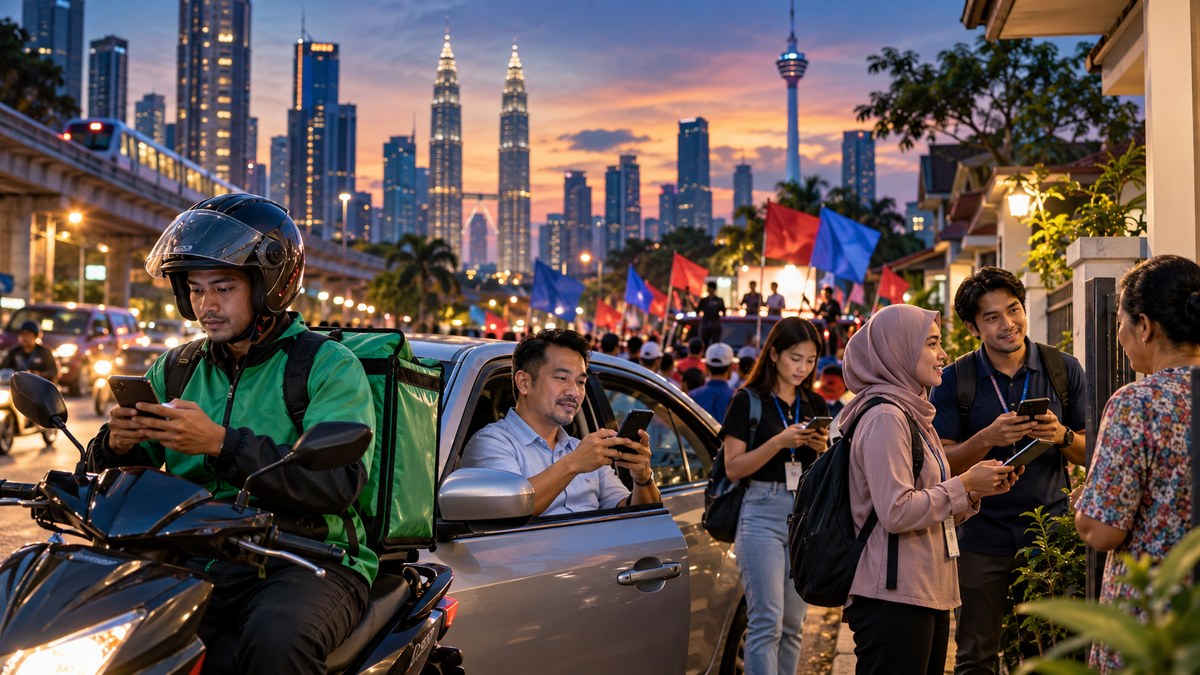
- The role of social media. These new coalitions have no track record. They rely entirely on digital campaigns to build trust.
If you are a journalist, focus your coverage on the local level. National polls tell you about mood. Local ceramah and candidate selection tell you about real strategy. For more context on the shifting landscape, our article on understanding Malaysia’s political landscape post-elections provides a useful foundation.
The One Risk Nobody Is Talking About
There is a danger in all this coalition building. Voters are getting cynical. Every new alliance feels like another backroom deal. The word “reformasi” has lost its meaning for many young Malaysians.
The 2026 election might see a record number of voters staying home. If that happens, the new coalitions will have failed before they even started. They were built by party leaders, not by the rakyat.
The coalitions that succeed will be the ones that bridge the gap between elite strategy and ground level reality. They need to show voters that this new arrangement is not just about saving their own careers. It is about governing better.
For a deeper look at how younger Malaysians are reacting to these shifts, read our analysis on the role of youth in shaping Malaysia’s political future.
Preparing for an Unpredictable Election Season
The only certainty about the 2026 general election is uncertainty. The three coalitions we discussed today are not stable. They could break apart before nomination day. New ones could form overnight.
For voters, the best strategy is to stay informed. Do not trust the party brand alone. Look at the people behind the logo. Ask who they are aligning with and why.
For analysts and journalists, your job is to follow the money and the seats. Watch which candidates are being placed in which constituencies. That is where the real story of power lies.
This election will test whether Malaysia’s democracy is maturing or fragmenting. The formation of these unexpected coalitions suggests a system that is flexible but also fragile. The next few months will tell us which side wins.
“`





Leave a Reply