
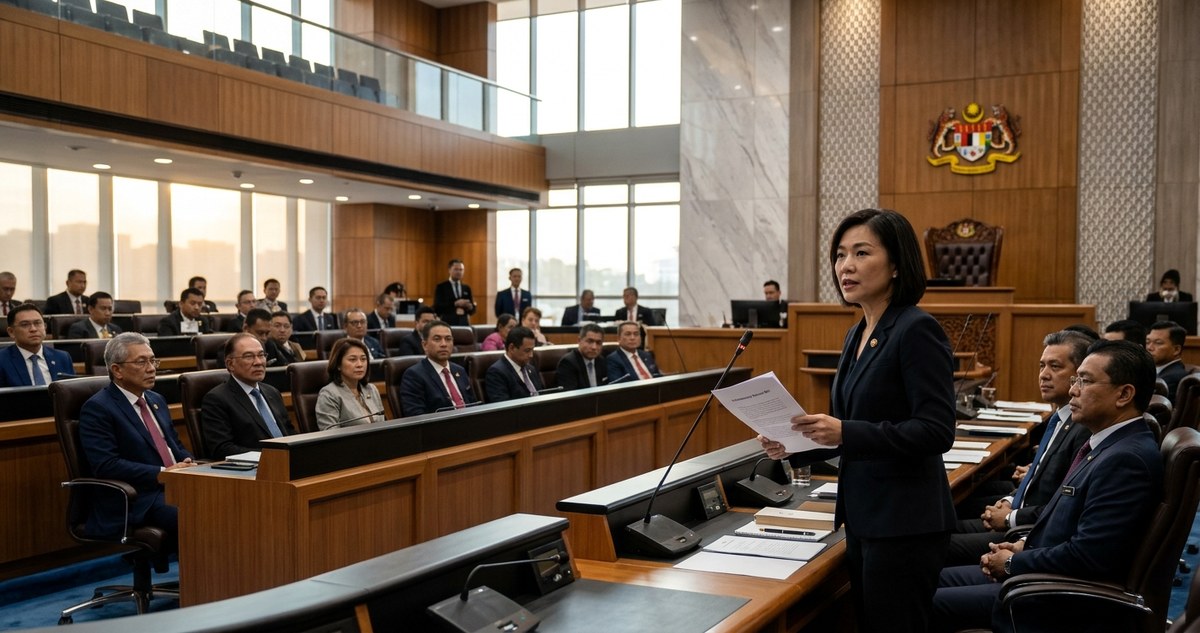
For political analysts and governance professionals tracking legislative changes, the 2026 parliamentary reform bill represents more than a routine legal update. It is a structural shift in how Malaysia’s Parliament checks the executive branch. The bill introduces new mechanisms that could permanently alter the balance of power between Putrajaya and the Dewan Rakyat.
The 2026 parliamentary reform bill strengthens executive oversight by granting Parliament independent control over its budget, staffing, and investigation timelines. It also empowers select committees to summon ministers and senior civil servants. These changes aim to reduce the concentration of power in the Prime Minister’s Office and restore legislative autonomy after decades of executive dominance.
What the Reform Bill Actually Does
The bill is built around three core changes. First, it reinstates the Parliamentary Services Act, giving the legislature full control over its own administration and human resources. Second, it establishes a new framework for parliamentary select committees to conduct investigations without waiting for executive approval. Third, it introduces mandatory response timelines for government agencies when Parliament requests documents or data.
For context, since the original Parliamentary Services Act was repealed in 1992, Malaysia’s Parliament has operated under the executive’s administrative umbrella. Staff were civil servants appointed by the government. The budget was allocated through the Prime Minister’s Department. This arrangement meant that any move to scrutinise the executive could be quietly slowed down by administrative friction. The 2026 bill removes that friction.
The bill also clarifies the role of the Speaker. Under the new rules, the Speaker can refer any matter to a select committee without a vote from the floor. This is a significant power. It means that issues like delayed infrastructure projects in Sabah or cost overruns in Penang can be formally investigated even if the ruling coalition tries to block debate.
How Select Committees Gain Real Teeth
Parliamentary select committees have existed in Malaysia for years, but their effectiveness has been limited. They could invite witnesses, but had no power to compel attendance. They could request documents, but agencies could ignore those requests indefinitely. The 2026 reform bill changes this.
Here is a practical breakdown of how the new committee powers work:
- A select committee issues a formal summons to a minister or senior civil servant. The individual must appear within 14 days.
- If the individual fails to appear without a valid reason, the committee can report the matter to the Speaker, who can refer it for contempt proceedings.
- The committee can also request documents with a 30-day deadline. If the agency does not comply, the committee can apply to the High Court for an order of production.
This three-step process creates a clear pathway from request to enforcement. It removes the ambiguity that allowed previous administrations to stall oversight.
A Table of Old vs New Oversight Mechanisms
To make the differences clearer, here is a comparison of how oversight worked before and after the bill:
| Oversight Area | Pre-2026 System | Post-2026 Reform |
|---|---|---|
| Parliamentary budget | Controlled by PM’s Department | Independent allocation through Parliament |
| Staff appointments | Civil service secondments | Direct parliamentary hiring |
| Committee witness power | Voluntary attendance only | Compulsory summons with penalties |
| Document requests | No deadline for compliance | 30-day statutory response period |
| Investigation scope | Limited by government approval | Speaker can refer matters unilaterally |
The table shows that the reform is not symbolic. Each row represents a concrete shift in who holds the power to demand answers.
What This Means for Ministerial Accountability
Ministers in Malaysia have historically enjoyed wide discretion over when and how they answer questions in Parliament. Question Time can be evasive. Written replies often arrive months late. The reform bill addresses this by introducing a mandatory 60-day window for all parliamentary questions, whether oral or written.
If a minister fails to provide a substantive answer within that period, the matter is automatically flagged to the Public Accounts Committee. This is a subtle but important change. It removes the need for an opposition MP to file a separate motion. The system itself triggers the oversight process.
For example, if the Minister of Finance is asked about the exact cost of the MyDigital initiative and does not reply within two months, the PAC can begin a review without waiting for anyone to complain. This shifts the burden from individual MPs to the institutional machinery of Parliament.
A List of Key Implementation Challenges
No reform is without friction. Here are the main hurdles that analysts expect during the rollout:
- Resistance from the civil service. Many senior officers are accustomed to reporting through the PM’s Department. Shifting loyalty to Parliament will take time.
- Lack of trained staff. Parliament will need to hire analysts, researchers, and legal advisors. This cannot happen overnight.
- Political will in a coalition government. The reform bill passed with support from both sides of the aisle, but ongoing enforcement depends on whether future governments respect the new rules.
- Potential constitutional challenges. Some legal scholars argue that compelling civil servants to testify before Parliament may conflict with their duty to serve the government of the day.
These challenges are real, but they are not insurmountable. The key is that the bill creates a legal framework. Once the framework exists, each test of its limits will strengthen it through precedent.
“The 2026 reform bill is not a silver bullet, but it is the first serious attempt in three decades to give Parliament the tools it needs to act as a co-equal branch of government. The real test will come when a future government tries to ignore a select committee summons and the courts have to decide who prevails.” — Professor Datin Seri Maznah Hamid, constitutional law scholar at Universiti Malaya
How This Connects to Broader Governance Trends
The reform bill fits into a wider pattern of institutional change across Malaysia. The anti-party hopping law, the separation of the Attorney General and Public Prosecutor roles, and the fixed-term parliamentary seats bill all point in the same direction: a move toward rules-based governance.
For readers tracking these changes, the 2026 parliamentary reform bill is the structural backbone. Without a strong legislature, other reforms can be undermined. A separated AG-PP means little if Parliament cannot compel the new Public Prosecutor to testify about prosecution decisions. A fixed-term parliament means little if the executive can still control the legislative agenda through budget allocations.
This is why the bill matters for political analysts and policy professionals. It is not just about procedure. It is about whether Malaysia’s democracy can mature to a point where the executive is genuinely accountable to the people’s representatives.
What to Watch in the First Year of Implementation
The bill is expected to receive royal assent by mid-2026, with full implementation beginning in the third quarter. Here are five things to monitor:
- The first test of the compulsory summons power. Will a minister challenge it in court?
- The quality of new parliamentary staff hires. Will they be independent or political appointees?
- The response rate from government agencies to document requests. If agencies start ignoring the 30-day deadline, the system will need judicial backup.
- The Speaker’s use of unilateral referral powers. Will the Speaker refer sensitive issues like the PSD contract negotiations or the East Coast Rail Link cost overruns?
- The reaction from state governments. Sabah and Sarawak have their own legislative assemblies. If the federal model works, state assemblies may push for similar reforms.
A Balanced View of the Bill’s Limits
It is important to note what the bill does not do. It does not give Parliament the power to dismiss individual ministers. It does not create a US-style confirmation process for cabinet appointments. It does not allow Parliament to veto executive orders or international treaties. The reform is focused on oversight after the fact, not on blocking executive action before it happens.
This is a deliberate design choice. The drafters wanted to avoid a constitutional crisis where Parliament could paralyse the government. Instead, they created a system where the government must justify its actions after the fact, with full transparency.
For professionals working in governance, this distinction matters. The bill is about accountability, not control. It assumes that the executive will continue to lead, but it insists that leadership must be answerable.
How Malaysia’s Reform Compares Regionally
Across ASEAN, parliamentary oversight varies widely. Singapore’s Parliament operates under strong executive dominance with limited committee powers. Indonesia’s DPR has more formal authority but struggles with party discipline. Thailand’s parliament has swung between periods of strong oversight and military-imposed silence.
Malaysia’s 2026 bill sits somewhere in the middle. It is not as ambitious as the Philippine system, where committees can issue subpoenas directly. But it is far more robust than the advisory model used in Brunei or the consensus-driven approach in Cambodia.
The closest regional parallel is the 2017 reform of India’s parliamentary committees, which gave them greater autonomy over agendas and witness lists. Malaysia’s bill borrows some of those ideas but adds the unique element of automatic referral powers for the Speaker.
Practical Steps for Policy Professionals
If you are tracking this bill for your organisation, here is a simple checklist:
- Review your agency’s document management systems. If Parliament requests records, can you produce them within 30 days?
- Train your legal team on the new contempt provisions. A poorly worded refusal to cooperate could become a legal liability.
- Monitor select committee agendas. If your sector is being investigated, you need to prepare briefings early.
- Build relationships with parliamentary researchers. The new independent staffing model means committees will have their own experts. Engage with them before they form conclusions.
What the Reform Means for Malaysia’s Political Future
The 2026 parliamentary reform bill is a signal. It tells the civil service, the judiciary, and the public that Parliament intends to be a serious institution. It also tells future prime ministers that the days of unchecked executive power are ending.
This is not a partisan bill. It passed with support from both Pakatan Harapan and Barisan Nasional MPs, and even some members of Perikatan Nasional voted in favour. That cross-party consensus suggests the reform has staying power. Even if the government changes in the next general election, unwinding these new powers would be politically costly.
For the audience of political analysts and constitutional scholars, the bill offers a rich case study in institutional design. It balances the need for efficiency with the demand for transparency. It creates enforcement mechanisms without overloading the courts. And it gives Parliament a real stake in the governance of the country.
Tracking the Path Ahead
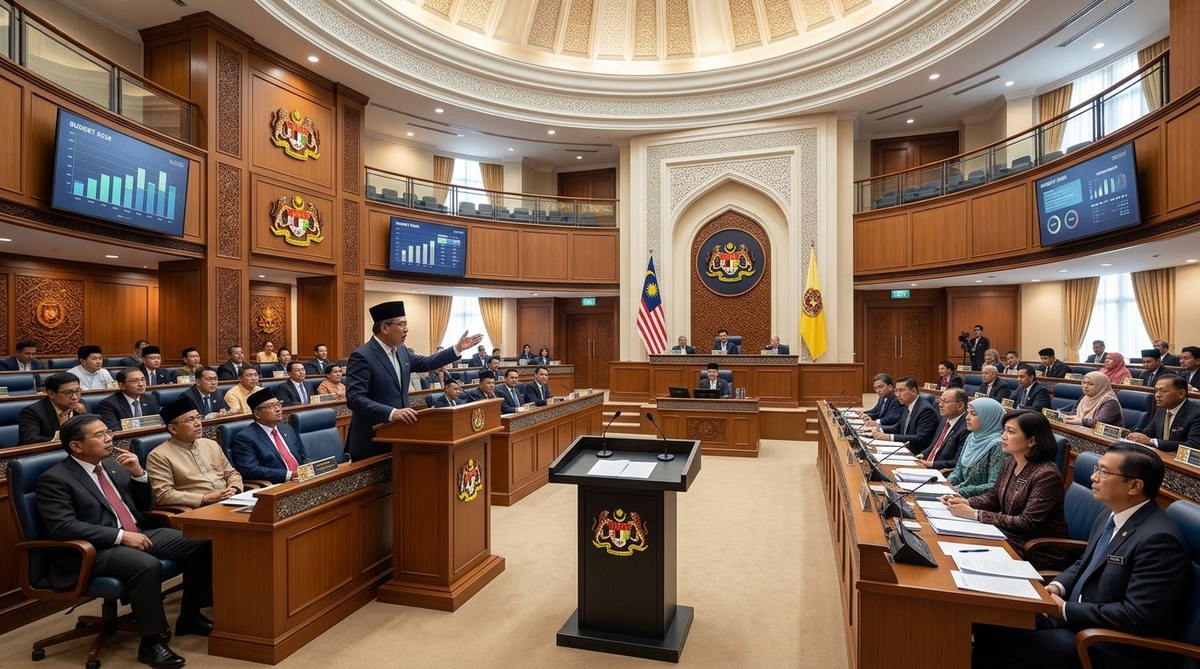
The implementation phase will reveal the bill’s true strength. Early wins will come from simple things: a minister appearing on time for a committee hearing, a document request fulfilled within the deadline, a parliamentary budget spent without executive interference. Each small success will build the habit of accountability.
The risks are equally clear. A hostile Speaker could abuse the referral power. A defiant ministry could force a court battle. A future government could try to starve Parliament of funds through indirect means. But these risks exist in any democracy. The difference now is that Malaysia has a legal framework to address them.
For those who want to understand the deeper context of this reform, the article on how Malaysia’s parliamentary reforms are quietly changing the balance of power offers a broader view of the institutional shifts underway. Similarly, the piece on 3 key parliamentary reforms that could change Malaysian governance in 2026 places this bill alongside other legislative changes.
A New Chapter for Malaysian Democracy
The 2026 parliamentary reform bill is not the end of the story. It is the beginning of a new chapter. For decades, Malaysia’s Parliament operated as a legitimising chamber for executive decisions. This bill turns it into a scrutineering chamber. That shift will take time to feel real.
But for the professionals who track these changes, the direction is clear. The rules of the game have changed. The executive now has to answer for its actions, on a schedule set by Parliament, with consequences for non-compliance. That is a meaningful step forward, and it deserves close attention from everyone who cares about how Malaysia is governed.










Leave a Reply