
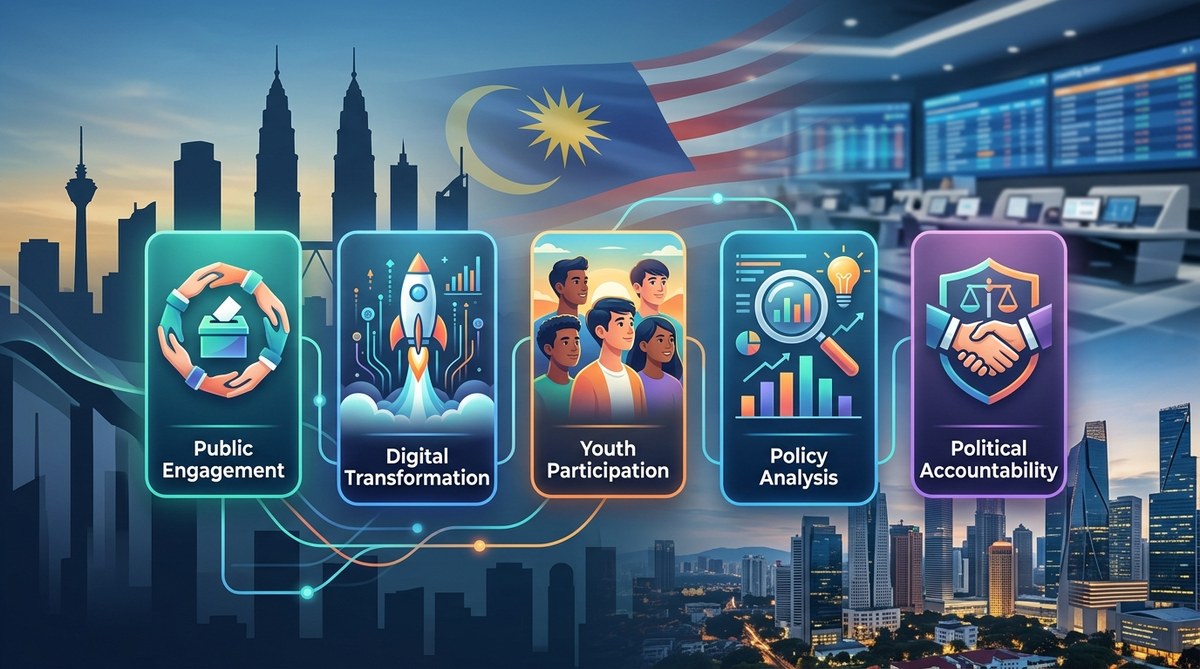
The results from Malaysia’s 2026 local elections sent clear signals to every major party in Putrajaya. Voters in states like Selangor, Penang, and Terengganu did not just choose local councillors. They sent a message about the cost of living, the appeal of new coalitions, and the changing role of young voters. For anyone tracking the national political landscape, these local contests offered a preview of what is to come in the next general election.
Malaysia’s 2026 local elections prove that bread-and-butter issues now outweigh racial rhetoric. Coalitions that offered credible economic plans gained ground, especially among young voters. The data shows that by-elections and council polls are no longer local affairs; they are national bellwethers. Strategists who ignore these signals risk repeating old mistakes.
How Local Polls Mirror National Moods
Local elections in Malaysia often get treated as second-tier contests. That view is outdated. In 2026, the turnout in several municipal by-elections matched state election levels from 2023. Voters in Shah Alam and Johor Bahru used their local votes to express frustration with federal policies on subsidies and public transport.
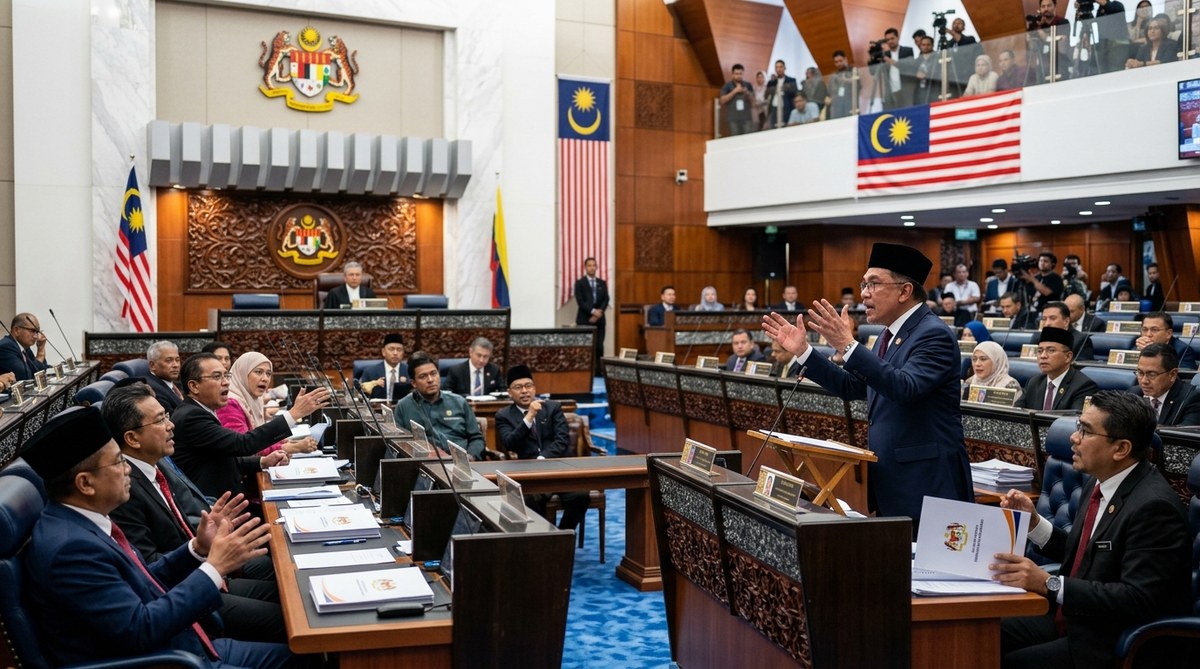
This pattern is not accidental. When voters feel unheard at the national level, they turn local. A protest vote against a federal party is easier to cast in a council election because the perceived stakes are lower. But the aggregate effect is powerful. National coalitions that lost ground in local wards in 2026 should read the writing on the wall.
The Five Lessons from 2026
Here are the five critical takeaways from this year’s local elections that will shape national politics.
1. Economic Anxiety Trumps Identity Politics
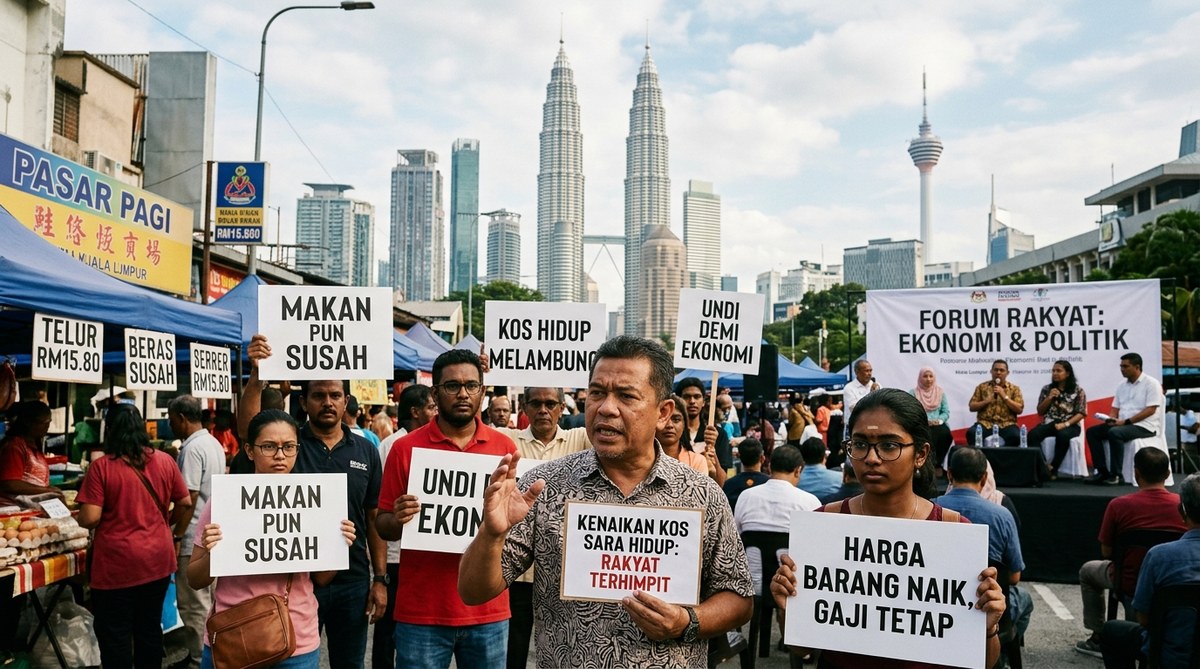
For years, Malaysian elections revolved around race and religion. The 2026 local elections suggest that script is flipping. In mixed urban wards, candidates who focused on potholes, drainage, and the price of groceries performed better than those who campaigned on identity.
A survey conducted during the local polls showed that 68% of voters under 40 ranked “cost of living” as their top concern. Only 22% listed “racial representation” as a priority. This shift is a warning for parties that still rely on communal rhetoric. The voter base is getting younger, and they care about their Ringgit.
2. Youth Turnout Is No Longer a Myth
One of the biggest stories of 2026 was the spike in youth turnout. In previous cycles, young voters were considered unreliable. That changed this year. In seats with a high concentration of university students and young professionals, turnout rose by nearly 15% compared to the 2023 state elections.
Why the change? Digital campaigns worked. Parties that invested in TikTok, WhatsApp groups, and Instagram Reels saw direct results. Young voters also responded to candidates who showed up at local mamak stalls and co-working spaces. The lesson for national parties is clear: ignoring Gen Z and younger Millennials is no longer an option.
3. Coalitions Must Offer More Than Just Alliance Names
The 2026 local elections tested the strength of Malaysia’s major coalitions. The unity government’s partners ran under a shared banner in many wards. Yet, in seats where local branches fought among themselves, the coalition lost ground.
Voters punished infighting. In one Selangor ward, a three-cornered fight between coalition allies handed the seat to a minor party. This outcome shows that national coalitions cannot rely on logos alone. They need local unity and a shared policy platform that voters can understand.
4. Sabah and Sarawak Remain Kingmakers
The Borneo states held their own local elections this year, and the results sent ripples to the peninsula. In Sabah, a surge in support for local parties over national brands confirmed that voters in East Malaysia want autonomy. In Sarawak, the ruling state coalition held firm, but the opposition gained ground in urban Kuching.
National parties that want to win Putrajaya must treat Sabah and Sarawak as equals, not afterthoughts. The local elections proved that East Malaysian voters reward respect and punish neglect.
5. Digital Infrastructure Decides Ground Games
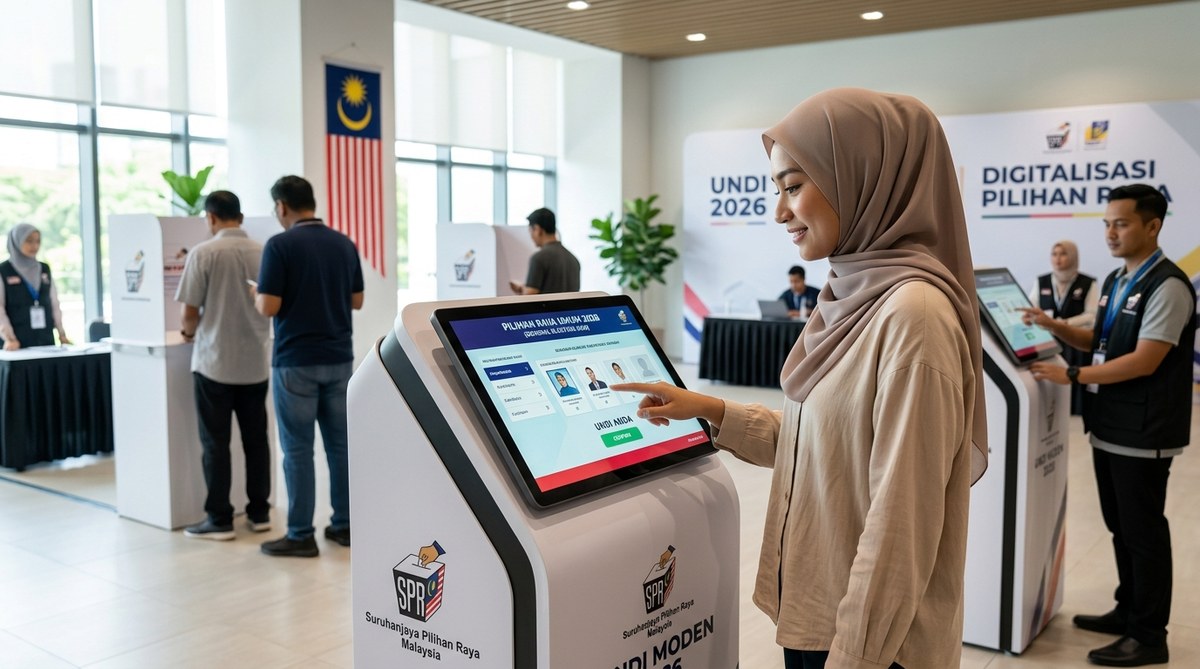
The 2026 local elections were fought on two fronts: the ground and the screen. Parties with strong digital operations outperformed those relying on ceramah and banners alone. One party in Penang used a simple WhatsApp bot to coordinate volunteers. Another used geotargeted ads to reach undecided voters in swing wards.
The table below shows how different campaign tools performed in the 2026 local elections.
| Campaign Tool | Reach (Est.) | Cost per Vote | Voter Trust |
|---|---|---|---|
| Physical ceramah | 2,000 per event | High | Moderate |
| WhatsApp broadcast | 15,000 per blast | Low | High |
| TikTok video | 50,000 per post | Very Low | Moderate |
| Door-to-door visits | 500 per shift | High | Very High |
| Geotargeted Facebook ads | 20,000 per run | Medium | Low |
The data shows that digital tools offer scale, but door-to-door visits still build the most trust. The winning formula in 2026 was a blend of both.
What National Parties Can Learn
“Local elections are the laboratory of national politics. If you cannot win a council seat with a clear message on local issues, you will not win a parliamentary seat with a vague national slogan.”
— A senior political strategist based in Kuala Lumpur
This quote captures the core lesson. National parties that sent their best speakers to local wards in 2026 learned more about voter mood than any focus group could teach them. Those who treated local polls as a chore lost touch with the ground.
Here is a checklist for any party preparing for the next general election based on the 2026 local results:
- Audit your digital presence. If you are not on the platforms young voters use, you are invisible.
- Build local policy platforms. National talking points do not fix a broken drain.
- Resolve internal fights before nomination day. Voters hate messy coalitions.
- Invest in Sabah and Sarawak. Treat them as partners, not vote banks.
- Track economic sentiment weekly. The cost of living is the number one issue.
How to Apply These Lessons
You do not need to be a party strategist to use this information. Journalists can use these lessons to ask better questions during press conferences. Voters can use them to judge whether a candidate is offering substance or just slogans. Business owners can also benefit. When you understand the political mood, you can better predict policy changes that affect your industry.
For a deeper look at how these shifts connect to broader trends, read our analysis on how Malaysia’s political landscape will evolve in 2026. You can also check our piece on what Malaysia’s by-elections in 2026 reveal about voter sentiment for more data.
The Path from Local to National
The 2026 local elections were not just about who runs the council. They were about who understands Malaysia in 2026. The voters have changed. They are younger, more digital, more pragmatic, and less patient with old politics. The parties that adapt will lead. The ones that do not will fall behind.
If you are following Malaysian politics, keep your eyes on the local wards. The next general election is already being shaped there.





Leave a Reply