

The air in the kopitiams and mamak stalls across the country has a different feel this year. Conversations about the upcoming general election are no longer just about national coalitions or big names in Putrajaya. Instead, talk has shifted to things closer to home. The rising price of fish in Terengganu. The condition of roads in rural Sabah. The lack of affordable housing in Johor. These are not small complaints. In 2026, they could decide who forms the next government.
Malaysia’s 2026 general election will not be won or lost on national rhetoric alone. Three regional issues stand out: the growing push for autonomy in Sabah and Sarawak, the economic squeeze felt by voters in northern and east coast states, and the unique urban challenges in the Klang Valley. Candidates who ignore these local pressures risk losing seats that were once considered safe.
Why Regional Issues Matter More Than Ever
For years, Malaysian elections were decided by broad racial or religious narratives. A party could win a whole state by running on a single national slogan. That era is fading. Voters in 2026 are more informed and more skeptical. They want to know what a candidate will do for their specific town, their specific industry, their specific cost of living.
This shift is partly due to the rise of social media. A farmer in Kedah can now compare the promises made by a candidate in Parliament with the actual condition of his irrigation canals. A fisherman in Kelantan can see videos of infrastructure projects in other states and ask why his own jetty is still broken. The gap between national promises and local reality has never been more visible.
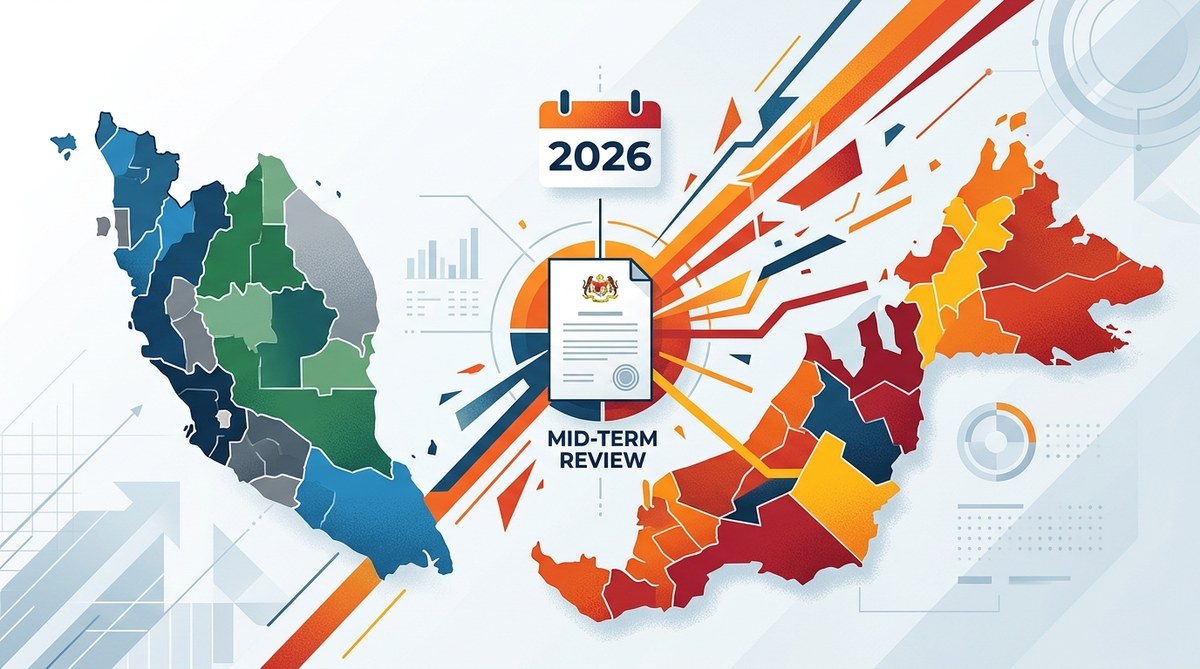
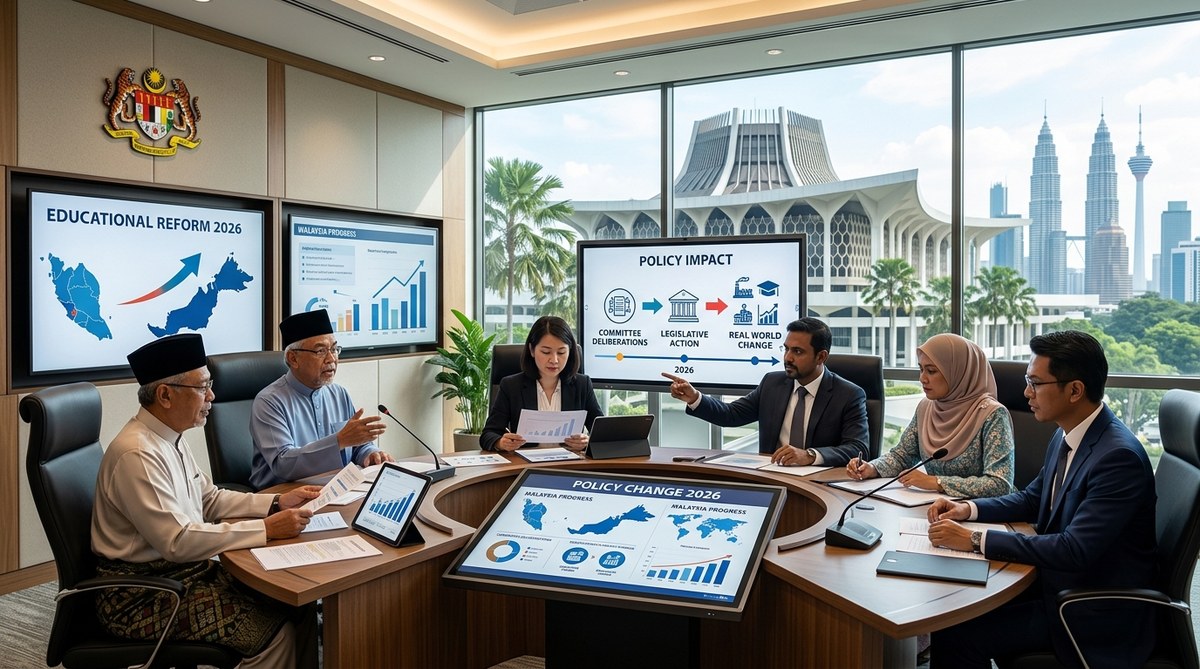
To understand the full picture, it helps to look at how Malaysia’s political landscape will evolve in 2026. But for now, let us focus on the three regional flashpoints that will dominate the campaign trail.
1. Sabah and Sarawak: The Autonomy Question
The two Borneo states have always been different. They joined Malaysia on special terms, and they have never fully forgotten that. In the 2022 general election, the sentiment was already strong. In 2026, it has become a central issue.
What Voters in the East Want
The people of Sabah and Sarawak are not asking for handouts. They are asking for fairness. Specifically, they want:
- A larger share of federal revenue derived from their natural resources
- Greater control over their own development projects
- Proper implementation of the Malaysia Agreement 1963 (MA63)
- Improved basic infrastructure, especially in rural areas
These are not new demands. What has changed is the political weight behind them. Local parties in both states have grown stronger and more organized. They are no longer willing to be junior partners in a federal coalition. They want real power.
The Risk for Federal Parties
Any national party that treats Sabah and Sarawak as guaranteed vote banks is making a mistake. Voters there are watching closely. They remember promises made and broken. A candidate who cannot articulate a clear plan for MA63 implementation will struggle to win trust.
The rise of local coalitions means that federal parties may have to make uncomfortable compromises. This is especially true given Sabah and Sarawak’s growing political voice shifting federal power in 2026. If a party from the peninsula tries to dictate terms to the east, it could backfire badly.
2. The Northern and East Coast Economic Squeeze
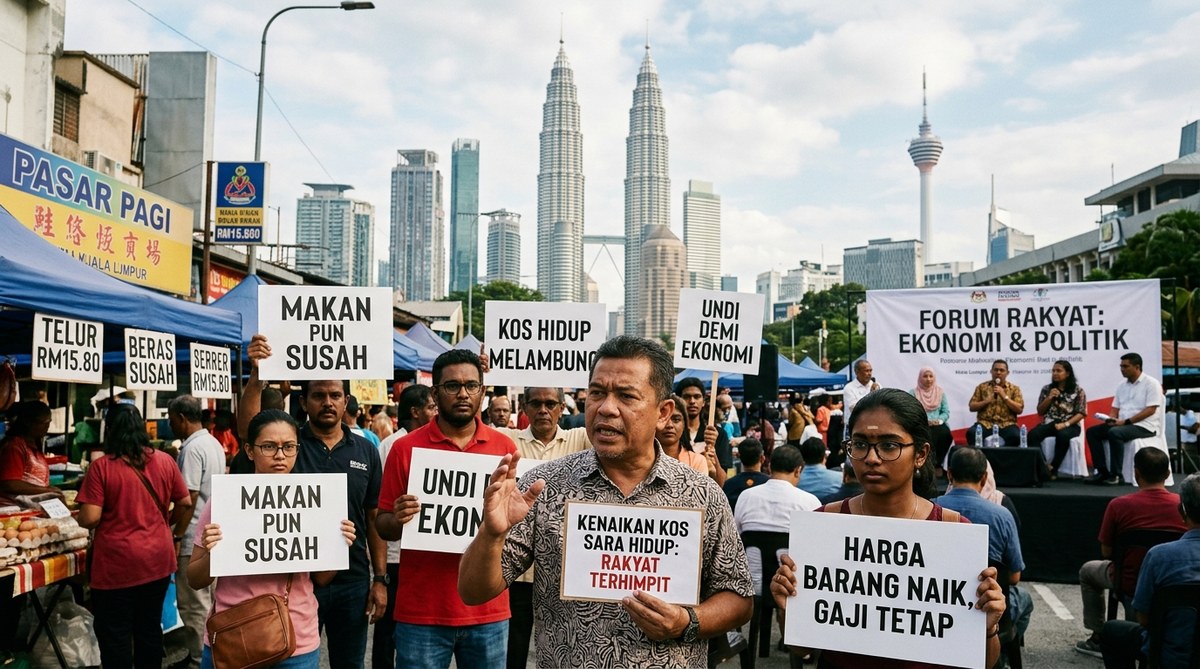
The cost of living is a national issue, but it hits some regions harder than others. In states like Kedah, Perlis, Kelantan, and Terengganu, household incomes are lower on average. When prices rise, there is less buffer to absorb the shock.
Three Specific Pressure Points
-
Food prices: Coastal communities in Terengganu and Kelantan rely heavily on fishing. When fuel subsidies are adjusted or when diesel prices climb, the cost of catching and transporting fish goes up. This directly affects the price of ikan kembung and ikan tongkol, staples of the local diet.
-
Agricultural income: In Kedah and Perlis, rice farming is the backbone of many families. Farmers are dealing with rising fertilizer costs and unpredictable weather patterns. If they feel the government is not supporting them, they will vote accordingly.
-
Job opportunities: Many young people in these states have to move to the Klang Valley or Penang to find work. This creates a sense of neglect. Voters want to see industries and jobs brought to their home states, not just promises of development that never arrive.
How This Affects Election Outcomes
In previous elections, the east coast was seen as a stronghold for certain parties. That assumption is being tested. Economic frustration can override traditional loyalty. A voter who has always supported one party may switch if they believe another candidate can bring better prices at the market or better roads to their village.
This is why 5 ways Malaysia’s economy is influencing voter decisions in 2026 is such a critical read for anyone trying to predict the outcome. The economy is not just a national statistic. It is a personal reality for millions of Malaysians.
3. The Klang Valley: Urban Discontent
The Klang Valley is the wealthiest and most developed region in the country. Yet it is also a hotbed of frustration. The issues here are different from those in the east or the north, but they are just as potent.
The Urban Voter’s Checklist
| Issue | Why It Matters | What Voters Want |
|---|---|---|
| Housing affordability | Young professionals cannot buy homes near their workplaces. | More high-density affordable housing with good public transport links. |
| Traffic congestion | Commuters spend hours stuck in jams daily. | Better public transit options and road infrastructure upgrades. |
| Cost of living in the city | Rent, food, and utilities in the Klang Valley are high. | Wage growth that matches inflation, plus targeted subsidies. |
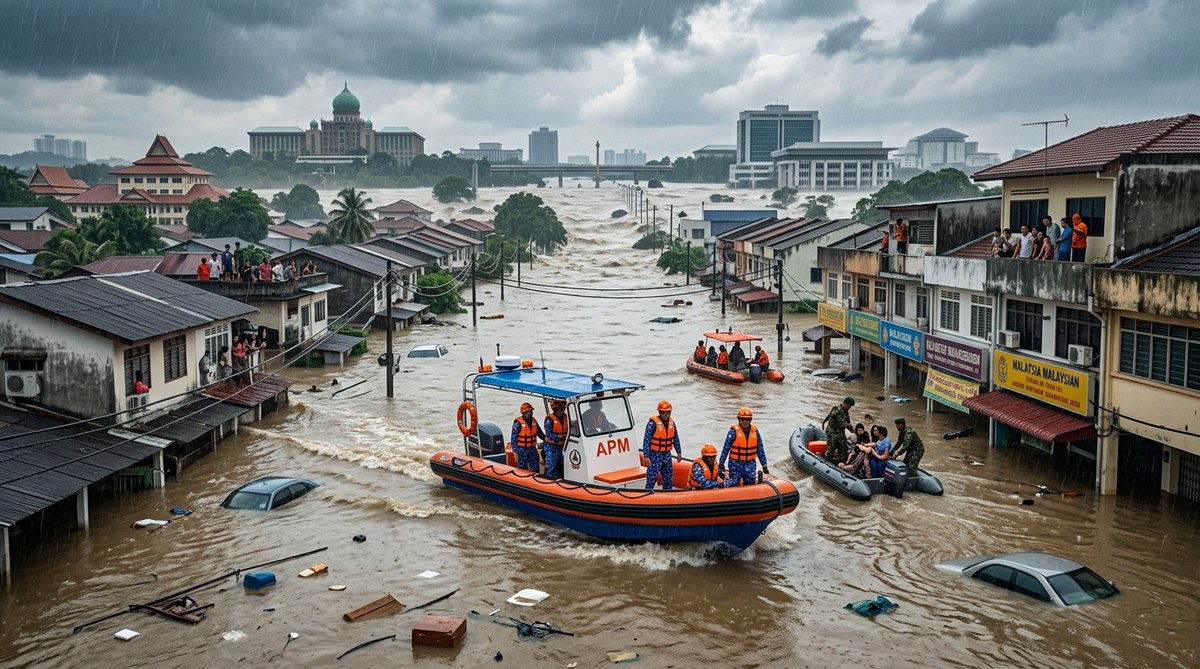
| Flood management | Flash floods disrupt lives every monsoon season. | Proper drainage systems and flood mitigation projects. |
A Different Kind of Swing Vote
Klang Valley voters are often described as more liberal and more willing to switch parties. They are not bound by the same loyalties as rural voters. They will vote for the candidate who offers the most practical solutions to their daily problems.
This creates an opportunity for new or smaller parties. If a candidate can run a strong local campaign focused on fixing a specific traffic bottleneck or improving a local market, they can win seats that larger parties take for granted.
The challenge for established coalitions is that they cannot rely on national branding alone. They need to show they understand the specifics of life in Subang Jaya, Cheras, or Ampang. This is where how Malaysia’s political parties are using digital campaigns in 2026 becomes relevant. Digital tools allow candidates to target very local issues with precision.
How Candidates Can Address These Issues
It is not enough to know what the problems are. Voters want to see a plan. Here is a simple framework that candidates can use to build trust with regional voters:
- Listen first: Hold town hall meetings in the actual affected areas. Do not just speak at a hotel in the state capital. Go to the villages and the housing estates.
- Be specific: Instead of saying “I will improve the economy,” say “I will work to bring a new industrial park to this district, creating 500 jobs.”
- Show progress: Use social media to post updates. Share photos of meetings with local officials. Show that you are working on the problem, not just talking about it.
- Build local alliances: Partner with local community leaders, business owners, and NGOs. They know the ground better than any party strategist.
- Follow through after the election: The worst thing a candidate can do is disappear after winning. Voters have long memories.
“Malaysian voters in 2026 are the most sophisticated they have ever been. They can spot a generic campaign speech from a mile away. If you want their vote, you need to show them you understand their specific struggles. A one size fits all message will fail.”
- Dr. Faridah Hamid, political analyst and lecturer at Universiti Malaya
The Bigger Picture: Regional Issues and National Stability
These three regional issues do not exist in isolation. They are connected. The frustration in Sabah and Sarawak affects national unity. The economic squeeze in the north affects national productivity. The urban discontent in the Klang Valley affects the country’s economic engine.
A government that fails to address these regional concerns will face more than just electoral defeat. It will face a crisis of legitimacy. Voters who feel ignored will become disengaged. They may stop believing that elections can bring change.
On the other hand, a government that tackles these issues seriously can build a stronger, more united Malaysia. This is why understanding Malaysia’s political stability in 2026 requires looking beyond the headlines and into the specific needs of different regions.
What This Means for Voters
If you are a voter reading this, you have more power than you might think. Your vote is not just a choice between two coalitions. It is a signal to politicians about what matters to your community.
When you go to the polling station in 2026, ask yourself these questions:
- Has the candidate visited my area recently?
- Do they have a clear plan for the specific problems I face?
- Have they delivered on past promises to this region?
- Are they listening to local voices, or just reading a party script?
Your answer will shape the future of your town, your state, and your country.
A Final Thought on Voting with Purpose
The 2026 general election will not be decided by a single issue or a single speech. It will be decided by thousands of small conversations in coffee shops, at bus stops, and in village halls. It will be decided by voters who look at their own lives and ask whether the government has helped or hindered.
Regional issues are not distractions from the big picture. They are the big picture. A party that understands the price of fish in Terengganu, the condition of roads in Sabah, and the cost of rent in Selangor is a party that understands Malaysia.
As you prepare for election day, take the time to learn about the candidates in your area. Look beyond their party logo. Ask them about the issues that matter to your street, your market, and your family. That is how real change happens. That is how Malaysia moves forward.



Leave a Reply