

Malaysia’s political scene in 2026 is poised for significant shifts. As the nation continues to navigate complex regional dynamics and internal reforms, understanding what shapes Malaysia’s political landscape this year becomes vital for researchers, analysts, and policymakers alike. The coming months are expected to bring fresh alliances, evolving power structures, and new policy directions that will influence Malaysia’s future both domestically and within ASEAN.
Malaysia’s political landscape in 2026 is marked by regional shifts, internal reforms, and new alliances that will shape the country’s future. Expect evolving power dynamics, regional cooperation efforts, and a focus on economic stability, all influencing Malaysia’s role within ASEAN and beyond.
The Political Power Balance and Emerging Trends
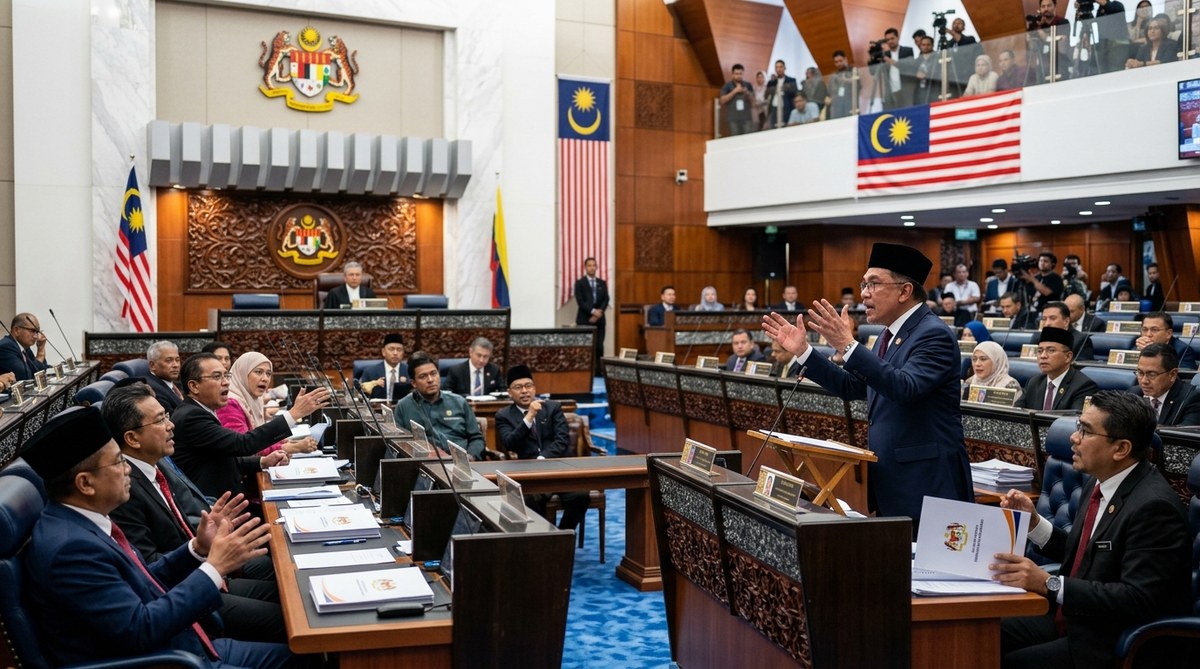
Malaysia’s political scene in 2026 is defined by a mix of stability and unpredictability. After the tumultuous years of recent elections and coalition realignments, the current landscape features a more fragmented but resilient political environment. The key trends shaping this year include the rise of regional parties, the influence of youth movements, and renewed calls for reforms.
The return of regional parties gaining prominence reflects Malaysia’s deepening focus on the diverse interests within Sarawak and Sabah, which now play a more influential role in national politics. This shift is partly driven by regional economic development initiatives and demands for greater local autonomy. Analysts suggest that this trend could lead to a more decentralized political structure, where regional voices gain additional leverage in federal decision-making.
Simultaneously, youth activism continues to grow, driven by widespread concerns over economic opportunities, climate change, and governance integrity. Movements like #ReformMyMalaysia have been instrumental in shaping political discourse, pushing for transparency and accountability. For policymakers, engaging with this demographic becomes crucial to maintaining political stability and fostering inclusive development.
Key Players and Alliances Shaping the Year
The political landscape in 2026 is characterized by a dynamic interplay among various parties and coalitions. The Barisan Nasional (BN), Pakatan Harapan (PH), and newer regional groups are adjusting their strategies to appeal to an increasingly diverse electorate.
- Barisan Nasional aims to re-establish its influence through efforts to broaden its appeal beyond traditional Malay support.
- Pakatan Harapan focuses on consolidating its reforms and appealing to urban voters and young Malaysians.
- Regional parties such as Sarawak’s GPS and Sabah-based parties are asserting more independence, demanding greater resource control and local governance.
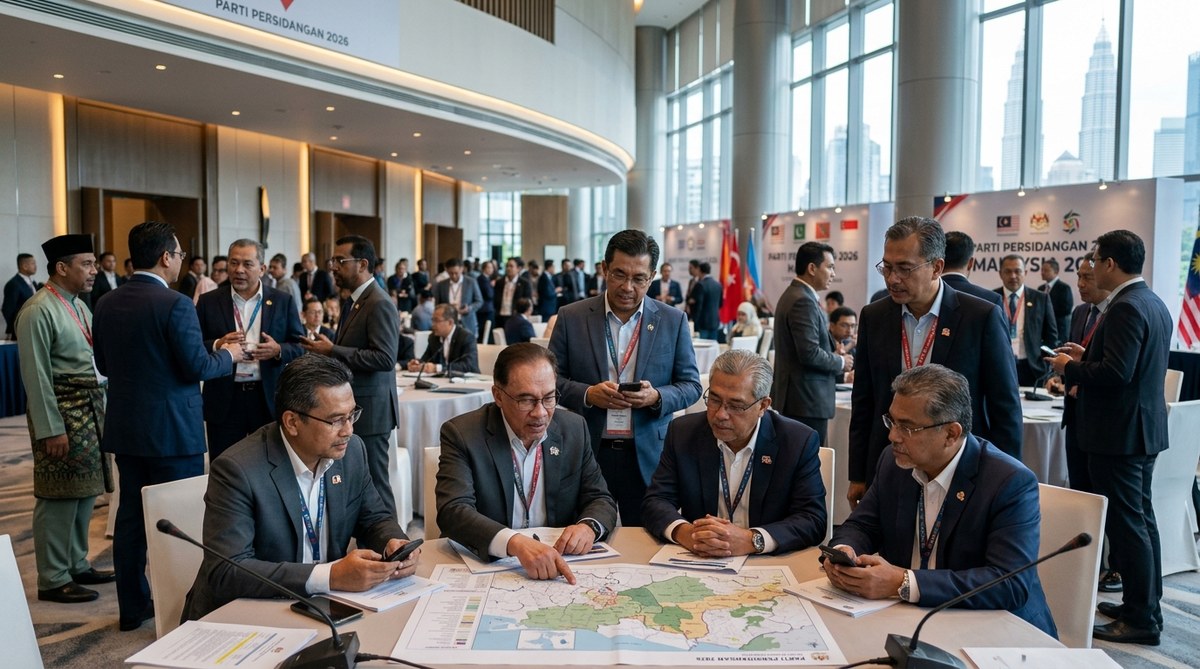
This shifting alliance landscape indicates a move toward more fluid coalitions, with no single party dominating outright. For those tracking political stability and policy directions, understanding the nuances of these alliances is vital. Malaysia’s regional diversity means that internal negotiations often influence national policies, especially in areas like infrastructure and education reform.
Policy Reforms and Economic Strategies
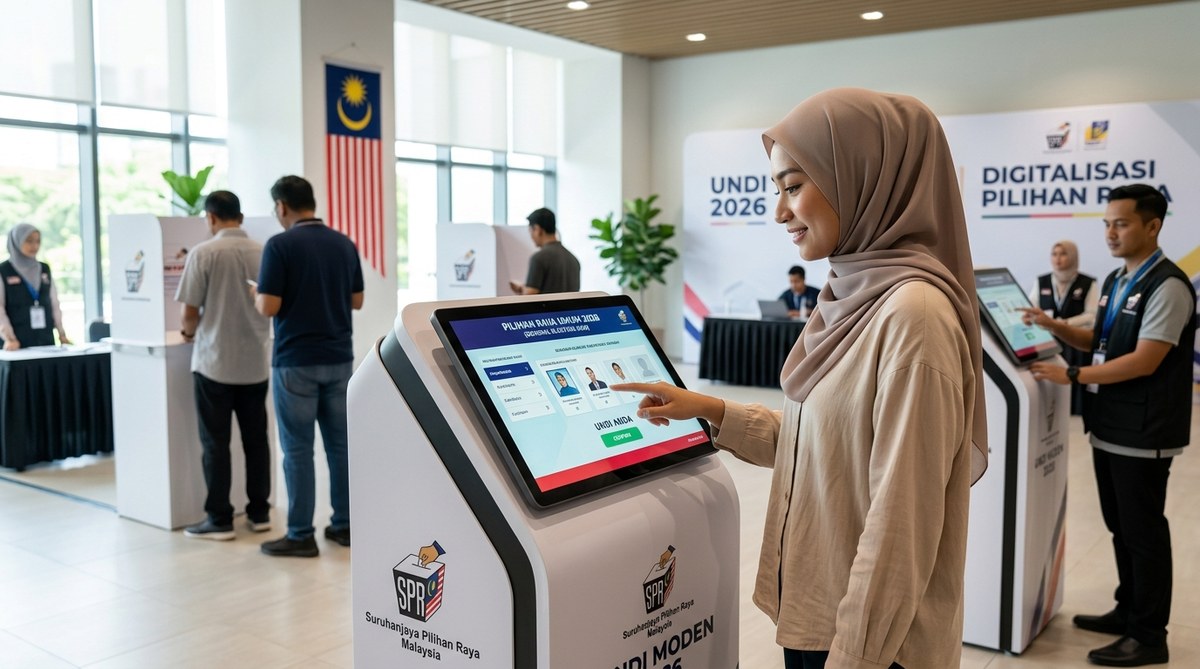
Economically, Malaysia aims to balance growth with sustainability. The government’s focus in 2026 is on attracting foreign investment, fostering innovation, and ensuring social stability. Key initiatives include infrastructure upgrades, digital economy investments, and regional trade partnerships, particularly within ASEAN.
Reforms in governance and transparency are also underway, with efforts to combat corruption and strengthen institutions. These measures are aimed at boosting investor confidence and ensuring sustainable development. As Malaysia navigates its role in regional supply chains, policies surrounding technology and green energy are expected to take center stage.
Efforts to diversify the economy beyond traditional sectors like palm oil and manufacturing are also gaining momentum. Policies encouraging tech startups, renewable energy projects, and tourism development are part of the broader strategy to foster resilience in the face of regional economic shifts.
Challenges and Opportunities in 2026
Despite positive developments, Malaysia faces notable challenges. Political fragmentation could slow decision-making processes, especially during times of regional tension or external economic shocks. Additionally, income inequality and regional disparities remain pressing issues that require targeted policies.
However, these challenges present opportunities for innovative governance. For example, leveraging digital platforms can improve public engagement and transparency. The country’s strategic location within ASEAN allows Malaysia to capitalize on regional economic integration efforts, boosting trade and investment.
Furthermore, regional cooperation initiatives, such as the Malaysia-Indonesia border agreement and Sabah-Sarawak resource sharing, are expected to deepen. These collaborations could serve as models for resolving local conflicts and fostering regional stability.
“Malaysia’s political landscape in 2026 is a reflection of both resilience and adaptation. The key to navigating this year’s changes lies in understanding regional influences and internal reforms,” advises political analyst Dr. Lim Kian Fatt. Engaging with experts and monitoring policy shifts will be crucial for anyone interested in Malaysia’s future.
Practical Steps for Researchers and Policymakers
Understanding Malaysia’s evolving political landscape in 2026 involves a series of practical steps:
- Follow regional party developments and alliance formations through official statements and credible news sources.
- Engage with youth and civil society movements to gauge public sentiment and future voting trends.
- Monitor policy reforms related to governance, economy, and social issues to anticipate shifts in national priorities.
For those seeking in-depth insights, consulting reports from institutions like the Malaysian Institute of Economic Research or regional think tanks offers valuable perspectives. Additionally, analyzing regional cooperation agreements helps clarify Malaysia’s strategic direction within ASEAN.
Here are some techniques and mistakes to avoid:
| Techniques | Mistakes to Avoid |
|---|---|
| Tracking official government releases | Relying solely on sensational news sources |
| Engaging with diverse civil groups | Ignoring regional influences on national politics |
| Analyzing economic policies and reforms | Overlooking the role of youth activism |
How Malaysia’s Political Shifts Will Shape the Future
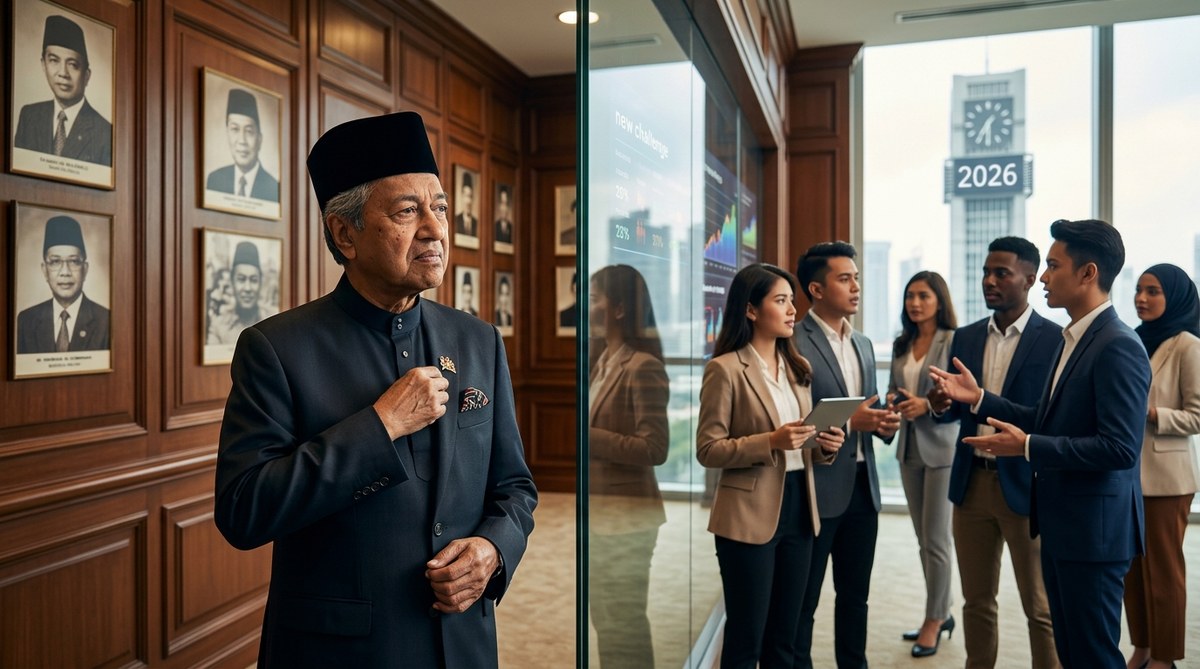
The political landscape in 2026 is a mosaic of regional interests, youth activism, and reform efforts. The country’s ability to adapt to regional shifts and internal demands will determine its stability and growth. For policymakers, fostering dialogue among diverse groups and reinforcing institutions will be key.
As Malaysia continues to develop its regional role, understanding the nuances of its political dynamics becomes more important than ever. Staying informed and engaging with credible sources will help shape a forward-looking approach to Malaysia’s future.
By paying attention to these trends and participating actively in governance processes, Malaysians can contribute to building a resilient and inclusive political environment. The year 2026 presents opportunities to redefine the nation’s path and strengthen its position within ASEAN and beyond.
Charting Malaysia’s Political Course in 2026
The journey ahead involves balancing regional aspirations with national development and social harmony. Whether you are a researcher, student, or policymaker, staying updated on these changes equips you better to understand the core of Malaysia’s evolving political scene. Embrace the shifts, participate actively, and support reforms that promote sustainable progress. The future of Malaysia’s political landscape in 2026 depends on collective effort and informed decisions.







Leave a Reply