

The 2026 Border Security Bill was supposed to be a routine update to Malaysia’s immigration laws. Instead, it has ignited one of the most intense federal-state confrontations in recent memory. State governments from Sabah to Selangor are pushing back against Putrajaya, arguing that the bill oversteps constitutional boundaries and threatens local autonomy. The core of the dispute lies in who controls the borders and how much power states should retain over immigration matters.
The 2026 Border Security Bill is more than a legal document. It is a flashpoint for a long-simmering debate in Malaysia about the balance of power between the federal government and the states. For policy analysts, journalists, and engaged citizens, understanding this showdown is essential to seeing how the nation’s governance is evolving. This article breaks down the bill’s core provisions, the states’ objections, and what happens next.
The Core of the Border Security Bill
The bill seeks to centralize border security operations under a single federal authority. Its stated goals are straightforward: tighten control over illegal immigration, curb smuggling, and improve coordination between agencies like the police, immigration department, and the armed forces.
Under the proposed law, the federal government would gain the power to:
– Establish a unified border command.
– Override state-level permits for border-area development.
– Deploy federal officers to state-controlled entry points without prior state consent.
– Seize assets suspected of being used in cross-border crime.
On paper, these measures sound sensible. Malaysia’s borders are long and porous. The country shares land borders with Thailand, Indonesia, and Brunei, plus maritime borders with several other nations. Smuggling and human trafficking remain persistent problems. However, the bill’s approach has alarmed many state leaders.
Why State Governments Are Pushing Back
The resistance is not uniform. Different states have different reasons for opposing the bill.
Sabah and Sarawak are the most vocal critics. Both states have special immigration powers under the Malaysia Agreement 1963 (MA63). They control their own entry points and can impose restrictions on non-Malaysian visitors. The new bill, they argue, would strip away these hard-won rights. For Sabah, which has struggled with an influx of undocumented migrants from the southern Philippines and Indonesia, local control is a matter of security and identity.
Penang and Selangor have raised concerns about economic impact. Both states rely heavily on trade and tourism. They fear that a centralized, one-size-fits-all approach to border security could create bottlenecks at ports and airports, slowing down cargo clearance and discouraging visitors.
Kelantan and Terengganu have their own worries. The border with Thailand is historically porous, and local communities depend on cross-border trade. State leaders argue that the federal government lacks the local knowledge needed to manage these sensitive areas effectively.
A senior policy analyst from the Institute of Strategic and International Studies (ISIS) Malaysia offered this perspective:
“The bill is not just about security. It is about federal power. States see this as a land grab by Putrajaya. The federal government sees it as a necessary step to protect national sovereignty. Both sides have valid points, but the way the bill is being pushed through is causing unnecessary friction.”
The Constitutional Flashpoints
The legal arguments center on the Federal Constitution’s Ninth Schedule, which lists the powers of the federal and state governments. Immigration and border security are federal matters. But land, local government, and natural resources are state matters. The bill blurs these lines.
For example, the bill allows federal officers to enter state land to conduct patrols or install surveillance equipment. State governments say this violates their authority over land use. The federal government counters that national security must take precedence.
Another flashpoint is the bill’s provision on asset seizure. Critics argue it gives the federal government too much power to confiscate property without sufficient judicial oversight. This has raised alarms among civil liberties groups.
To help visualize the key differences, here is a comparison of the main arguments:
| Area of Dispute | Federal Government’s Position | State Governments’ Position |
|---|---|---|
| Border Control | Needs a single, unified command to be effective. | States like Sabah need to retain special powers under MA63. |
| Land Access | Must be able to patrol state land for security. | This infringes on state rights over land and resources. |
| Economic Impact | A unified system will be more efficient. | Centralization will create bottlenecks and harm trade. |
| Asset Seizure | Necessary to fight cross-border crime. | Too much power without proper checks and balances. |
How the Showdown Is Playing Out
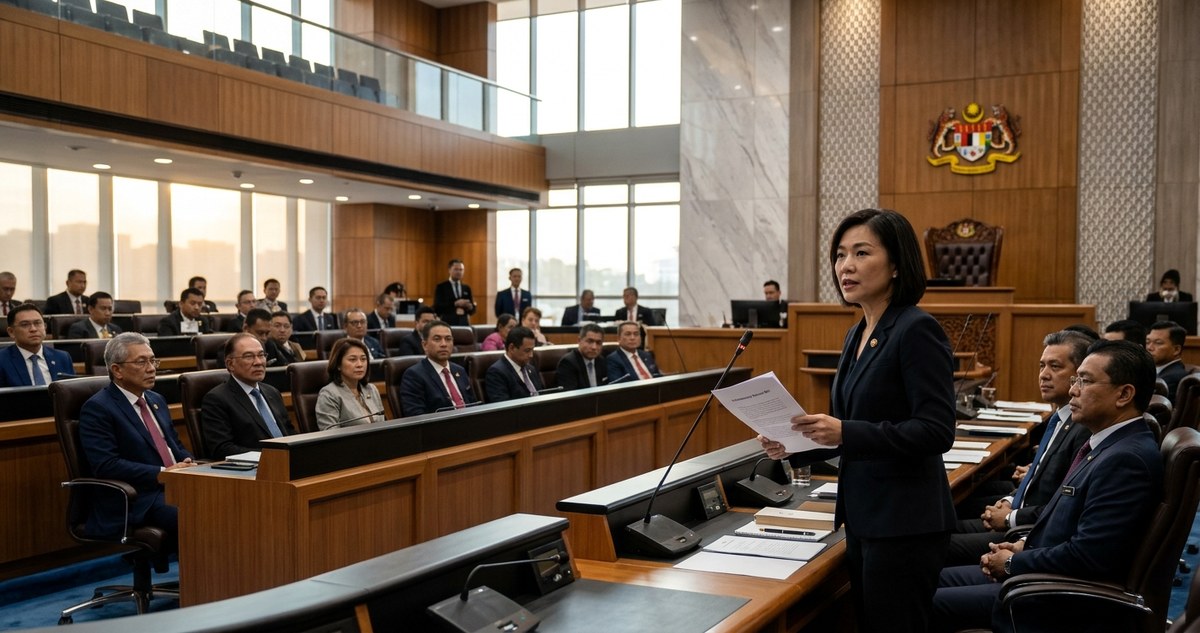
The political theater has been intense. State legislative assemblies have passed motions rejecting the bill. Opposition parties have used the issue to attack the federal government. Even within the ruling coalition, there are rumblings of discontent.
The process has unfolded in three main stages:
-
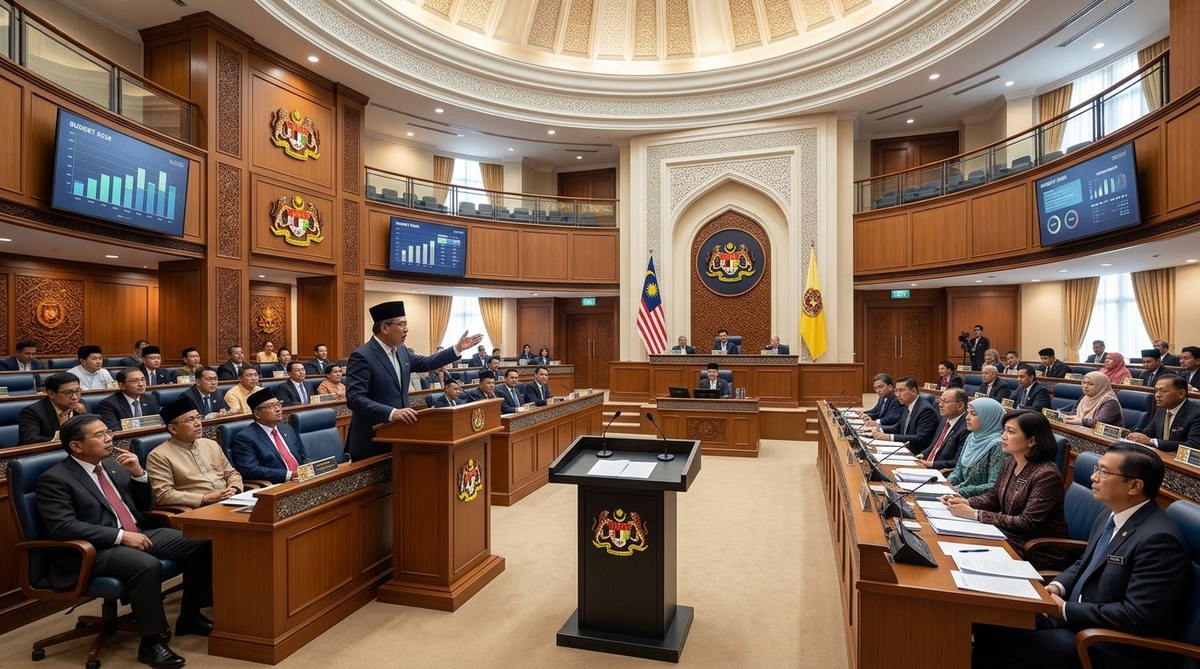
First reading and backlash. The bill was tabled in Parliament in early 2026. Within days, state governments issued statements of protest. The Sabah and Sarawak state assemblies held special sittings to debate the bill.
-
Select committee review. The federal government referred the bill to a Parliamentary Select Committee (PSC). The PSC held public hearings where state representatives, legal experts, and civil society groups gave their views. The committee’s report recommended several amendments, but state leaders said the changes did not go far enough.
-
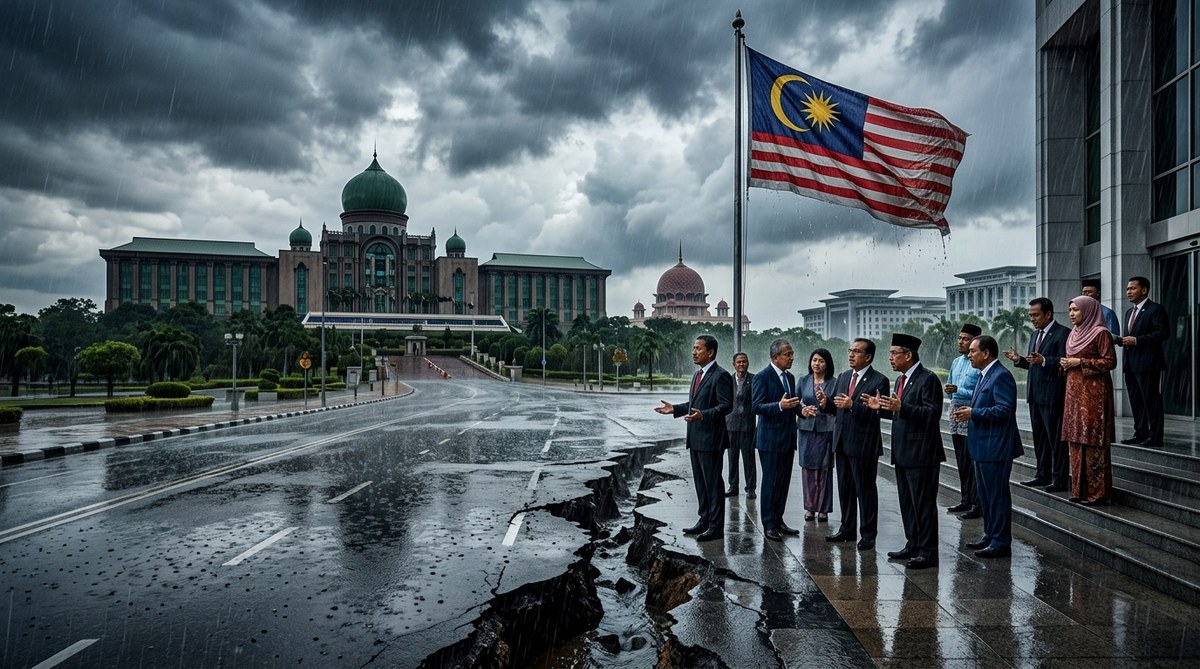
Current stalemate. The bill is now stuck in a logjam. The federal government has enough votes to pass it, but it is wary of the political fallout. Pushing the bill through without state consent could damage relations and fuel separatist sentiment, especially in Sabah and Sarawak. Delaying it could make the government look weak on national security.
What a Federal-State Showdown Means for You
This is not just a political fight for the corridors of Putrajaya. It affects everyday Malaysians in several ways.
-
For travelers and businesses: If the bill passes in its current form, you might see changes at border crossings. More federal checkpoints could mean longer wait times. Businesses that rely on cross-border supply chains should monitor the situation closely. You can read more about how Malaysian companies are adapting to regional economic changes to understand the broader context.
-
For residents in border states: Your state government’s ability to manage local issues could be reduced. If you live in Sabah, the state’s power to control who enters could be weakened. For those in Kelantan, local cross-border trade might face new restrictions.
-
For civil liberties advocates: The asset seizure provisions are a real concern. If the bill passes without strong safeguards, it could set a precedent for other security laws.
The Role of MA63 and the Borneo States
The Malaysia Agreement 1963 is central to this dispute. Sabah and Sarawak entered the Federation on specific terms. One of those terms was control over immigration. Any federal law that undermines this is seen as a breach of the original agreement.
The issue has gained even more traction in recent years. The movement for greater autonomy for Sabah and Sarawak has grown stronger. The current federal government has made some concessions, but many in the Borneo states feel it is not enough.
This bill is a test. If the federal government pushes it through despite strong objections from Sabah and Sarawak, it could damage the already fragile relationship between the Peninsula and Borneo. Some analysts have even suggested that it could fuel calls for a referendum on the MA63 terms. For a deeper look at this dynamic, see our analysis of is Sabah and Sarawak’s growing political voice shifting federal power in 2026.
Possible Outcomes and What to Watch For
The situation is fluid. Here are a few scenarios that could play out.
-
Scenario A: Compromise. The federal government agrees to major amendments. Sabah and Sarawak get a special exemption. The bill passes, but it is weaker than originally intended. This is the best-case scenario for stability.
-
Scenario B: Federal override. The government uses its majority to pass the bill without state consent. Expect legal challenges from the states. The case could go to the Federal Court, creating a constitutional crisis.
-
Scenario C: Bill shelved. The government pulls the bill to avoid a fight. This would be seen as a victory for the states, but it would leave Malaysia’s border security gaps unaddressed.
What to Watch
- The PSC report. The final recommendations from the select committee will shape the next phase.
- Statements from the Attorney General. His legal opinion on the bill’s constitutionality will be crucial.
- Actions from the Sabah and Sarawak governments. Will they escalate their protests or agree to negotiate?
- Public opinion. If the public sides with the states, the federal government will be under more pressure to compromise.
A Defining Test for Federalism
The 2026 Border Security Bill has become a defining test for Malaysia’s federal system. It asks a fundamental question: Can the central government assert its authority on national security without trampling on the rights of the states? The answer will shape Malaysian governance for years to come.
For those following the story, the key is to stay informed. Read the bill’s text if you can. Follow the parliamentary debates. Listen to what state leaders are saying. This is not just a legal or political issue. It is a story about how Malaysia sees itself: as a centralized state or as a true federation.
The coming months will be critical. Whether you are a policy analyst tracking the constitutional arguments, a journalist covering the political drama, or a citizen who wants to understand how this affects your life, keep your eyes on this bill. It will tell you a lot about the direction the country is heading.








Leave a Reply