
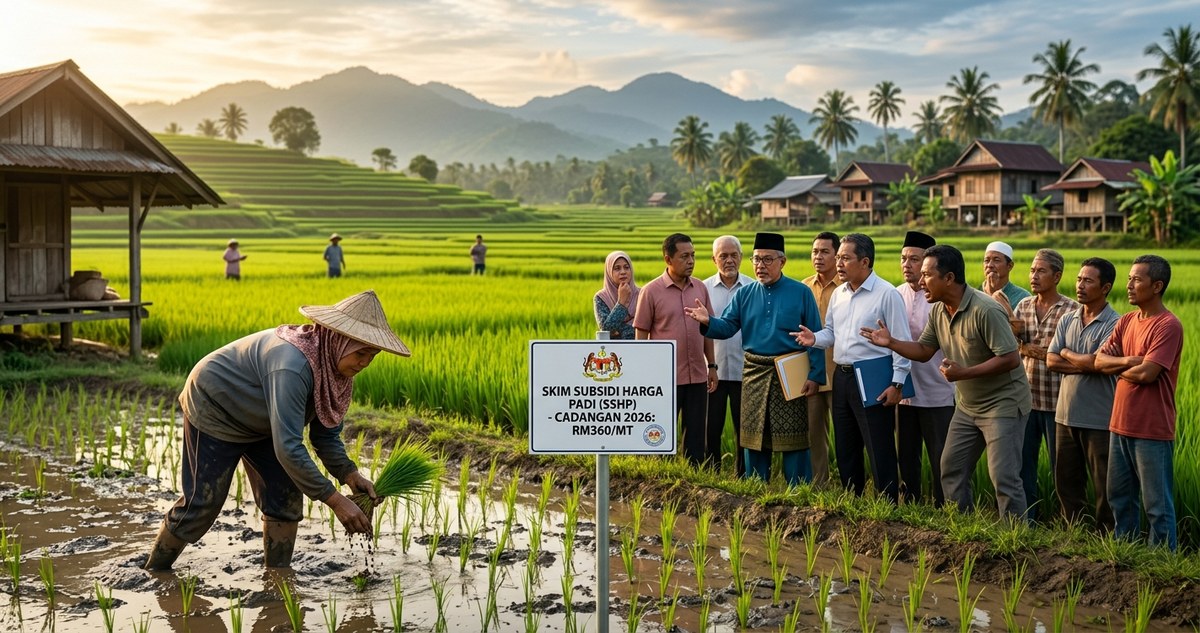
The paddy price subsidy for 2026 was supposed to be a straightforward lifeline for Malaysia’s rice farmers. Instead, it has turned into one of the most heated political battlegrounds ahead of Budget 2026. What started as a technical adjustment to support the country’s 240,000 paddy farmers has now become a symbol of a deeper struggle between coalition promises, rural loyalty, and the high cost of living. The ringgit amount allocated is record breaking. But the real story is about who gets the credit, who gets the blame, and how this single policy could shift votes in the next general election.
Malaysia’s 2026 paddy subsidy is no longer just about rice prices. It is a political flashpoint because it tests the Madani government’s ability to deliver on rural pledges, exposes cracks in coalition unity, and gives the opposition a direct line to frustrated farmers in key swing states like Kedah and Perlis. Understanding this debate is essential for anyone tracking Malaysia’s political landscape in 2026.
Why the Paddy Subsidy Matters More Than Ever
Rice is not just a staple food in Malaysia. It is a political symbol. For decades, the government has used subsidies to protect farmers and keep the price of local rice stable. The Malaysia paddy subsidy 2026 political debate is unique because the amounts involved are larger than ever. The government allocated RM2.62 billion for the paddy sector in Budget 2026. That is a significant jump from previous years.
But here is the catch. The subsidy is meant to help farmers cope with rising costs of fertilizer, seeds, and diesel. Many farmers in the Muda Agricultural Development Authority (MADA) areas in Kedah and Perlis say the money does not go far enough. A bag of subsidized seed costs RM20.60, but market prices have climbed to between RM56 and RM70. Farmers must cover the difference out of their own pockets. That gap is where the political tension lives.
The opposition has seized on this gap. They argue that the government is spending billions but failing to address the root problems. This has turned the paddy subsidy into a wedge issue. For the ruling coalition, it is a test of whether they can hold onto rural Malay votes. For the opposition, it is a chance to prove that the government is out of touch with the farming community.
How the Subsidy Became a Political Flashpoint
The journey from policy paper to political firestorm did not happen overnight. A few key moments turned up the heat.
-
Budget 2026 announcement: The government touted the RM2.62 billion allocation as a historic investment. They highlighted new incentives like a harvesting incentive of RM50 per hectare per season to cover diesel costs. But critics pointed out that the average aid per farmer only rose to RM4,300 per hectare per season from RM3,790. For many farmers, that increase felt small compared to their rising expenses.
-
The seed subsidy controversy: Reports from Perlis showed farmers rejecting the seed subsidy because it did not cover the actual cost. This became a national story. Opposition leaders visited paddy fields to express solidarity, turning local grievances into a national political narrative.
-
Coalition infighting: Within the unity government, parties from different coalitions began to disagree publicly. Some leaders from Barisan Nasional argued that the subsidy should be managed at the state level. Pakatan Harapan leaders defended the federal approach. This internal bickering gave the opposition more ammunition.
-
State versus federal control: The RM300 million allocated for state level programs, including paddy cultivation expansion in Sabah and Sarawak, sparked debates about federal overreach. States like Kedah, governed by the opposition, claimed they could distribute the aid more effectively than Putrajaya.
These four moments created a perfect storm. The Malaysia paddy subsidy 2026 political debate is now a proxy for larger questions about federal state relations, coalition unity, and the cost of living crisis.
Key Players and Their Positions
Understanding who is saying what helps clarify the stakes. Here is a breakdown of the main groups involved.
| Group | Stated Position | Political Motivation |
|---|---|---|
| Madani government | The subsidy is a record high investment in food security and farmer welfare. | Prove the coalition can deliver on rural promises and win back trust in Malay heartland states. |
| Opposition (Perikatan Nasional) | The subsidy is poorly designed and fails to address rising input costs. | Paint the government as incompetent and out of touch with rural voters, especially in Kedah and Perlis. |
| Paddy farmers (via associations) | The money is welcome but insufficient; delivery is slow and bureaucratic. | Push for higher direct payments and less red tape. They are the ultimate swing voters in this debate. |
| State governments (Kedah, Perlis) | Federal government should decentralize subsidy management. | Assert state rights and gain political capital by appearing to fight for local farmers. |
| Policy analysts | The subsidy is a short term fix; Malaysia needs structural reform in the rice industry. | Advocate for long term food security solutions, but their voice is often drowned out by political noise. |
This table shows that the Malaysia paddy subsidy 2026 political fight is not just about money. It is about who controls the narrative in rural Malaysia.
The Opposition’s Playbook: How They Are Using This Issue
The opposition has been strategic. They are not just criticizing the amount of the subsidy. They are attacking the delivery mechanism. Here is how they are framing the issue.
- Blame the bureaucracy: Opposition leaders claim that farmers have to fill out too many forms and wait too long for payments. They argue that the government is more interested in photo opportunities than actual help.
- Highlight the gap: They constantly repeat the difference between the subsidized seed price and the market price. This simple comparison is easy for voters to understand.
- Promise a better system: In ceramah and social media posts, opposition figures promise a simpler, more generous subsidy system if they win federal power. They do not provide detailed plans, but the promise alone is powerful.
- Use local champions: They send MPs who are farmers themselves or who come from paddy growing areas to speak on the issue. This creates a sense of authentic representation.
This approach is working. Polling data from early 2026 shows that voter satisfaction with the government’s handling of agricultural subsidies has dropped in key rural constituencies. The Malaysia paddy subsidy 2026 political battle is directly affecting the government’s standing in seats that were already considered marginal.
What This Means for Budget 2026 Negotiations
The subsidy debate is not happening in a vacuum. It is a central part of the broader Budget 2026 negotiations. The government needs to pass the budget to avoid a political crisis. But the opposition is using the paddy subsidy as a bargaining chip.
Here are three ways this could play out.
-
The government makes concessions: To secure enough votes, the government could announce a supplementary package for paddy farmers. This could include a higher direct subsidy or a temporary price floor for local rice. This would be a win for the opposition, as it would look like the government caved to pressure.
-
The opposition forces a vote: If the opposition feels confident, they could try to force a vote on a specific amendment related to the paddy subsidy. This would put the government’s coalition partners in a difficult position. Do they side with the government or with the farmers?
-
A compromise is reached behind closed doors: The most likely outcome. The government quietly increases the subsidy for certain states or streamlines the application process. Both sides claim victory. The public sees little change.
For policy analysts and journalists, the real story is the negotiation itself. It reveals which coalition partners have the most influence and how the government prioritizes rural votes.
Practical Steps for Farmers and Observers
If you are a farmer or someone who wants to track this issue, here is a numbered list of practical steps to stay informed and take action.
- Check your eligibility: Visit the official Lembaga Pertubuhan Peladang (LPP) website or your nearest Pertubuhan Peladang Kawasan (PPK) office. Confirm that you are registered in the paddy subsidy database.
- Document your costs: Keep receipts for seeds, fertilizer, and diesel. If the subsidy does not cover your costs, you need evidence to submit complaints to your local MP or to the Ministry of Agriculture and Food Security.
- Attend state level briefings: State governments often hold town hall sessions before the planting season. These sessions are where real feedback is gathered. They are also where you can hear directly from politicians.
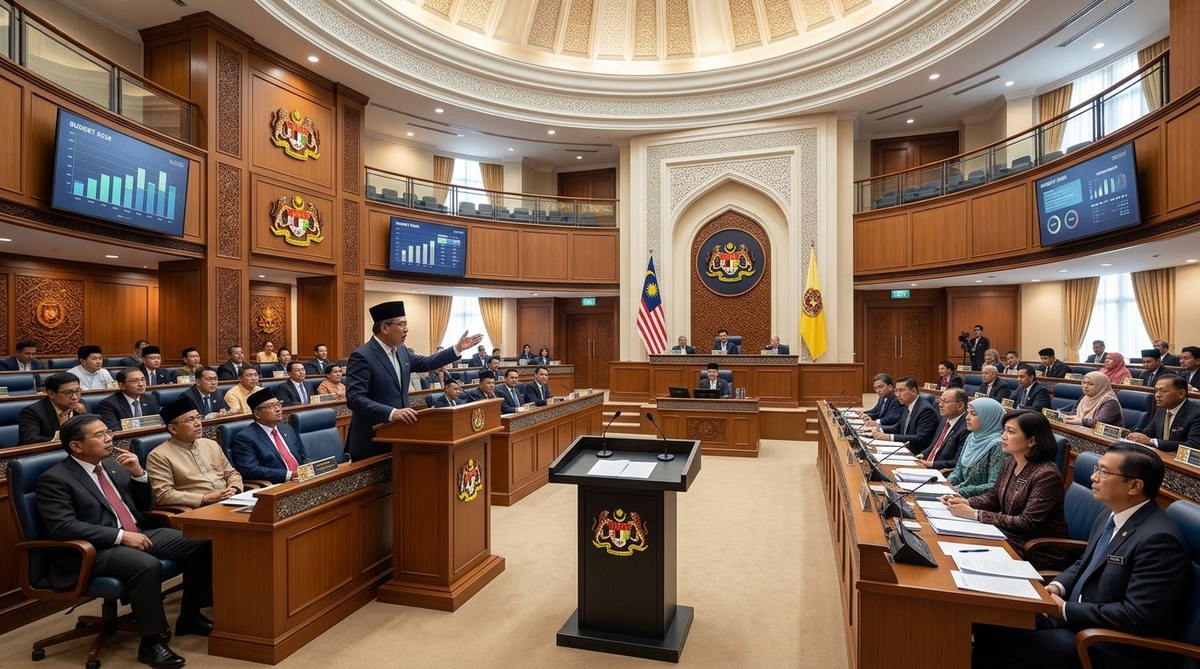
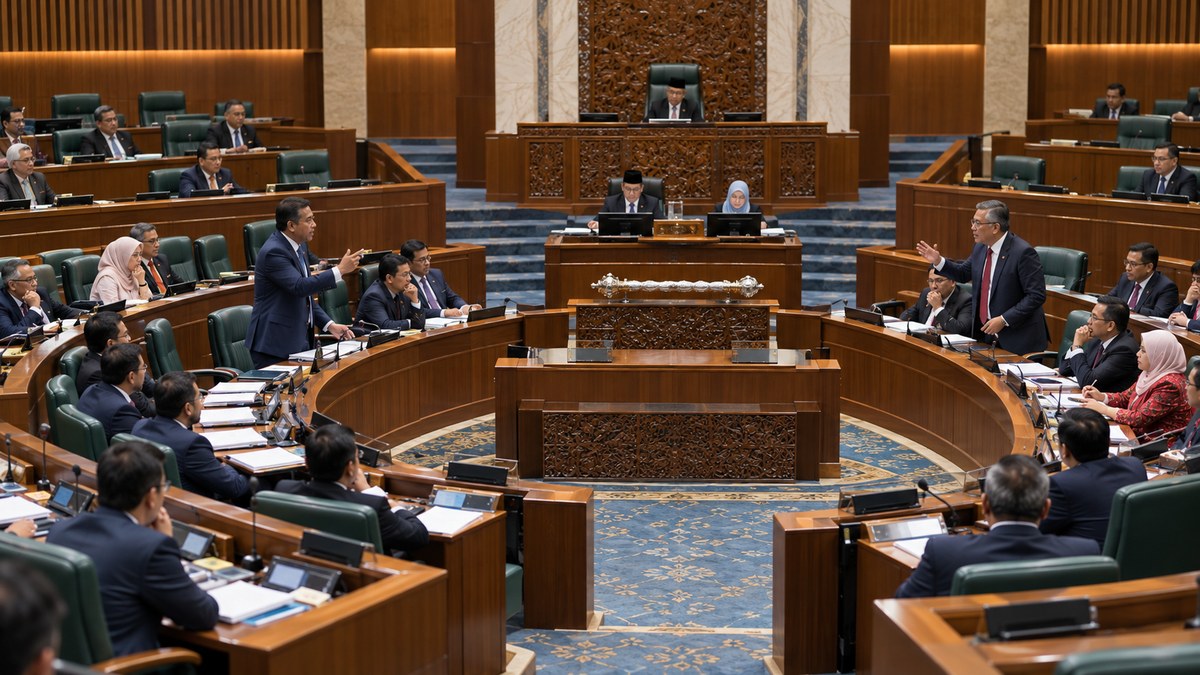
- Follow parliamentary debates: The Budget 2026 debates are being streamed online. Watch the sections related to the Ministry of Agriculture. You will see which MPs are fighting for your interests.
- Join a farmers association: Groups like Persatuan Nelayan dan Pesawah Malaysia have more leverage than individual farmers. They also receive advance notice of policy changes.
These steps help you move from being a passive recipient of the subsidy to an active participant in the political process.
Common Criticisms of the Subsidy (And the Government’s Response)
The Malaysia paddy subsidy 2026 political debate is full of claims and counter claims. Here is a bulleted list of the most common criticisms and how the government has responded.
- Criticism: The subsidy is too low compared to rising input costs.
- Government response: The RM2.62 billion is the largest allocation in history. We have also introduced new incentives like the harvesting incentive and increased the pesticide incentive to RM300 per hectare per season.
- Criticism: The application process is too bureaucratic and slow.
- Government response: We are digitizing the system. By the end of 2026, farmers will be able to apply and track their payments through a mobile app.
- Criticism: The subsidy benefits large landowners more than small farmers.
- Government response: The subsidy is calculated per hectare, which is fair. We are also targeting additional support for smallholders through the RM20 million foliar fertilizer program.
- Criticism: The money is being wasted on middlemen and inefficient agencies.
- Government response: We have introduced stricter auditing for all agencies involved in paddy subsidy distribution. Any cases of leakage will be prosecuted.
These exchanges show that the debate is not just about numbers. It is about trust. Farmers want to believe that the system works for them. The government wants to prove that it does.
“The paddy subsidy debate in 2026 is a textbook case of how agricultural policy becomes electoral politics. When farmers feel unheard, they vote with their feet. The party that understands this best will win the rural seats.” — Dr. Aminah Zainal, political economy analyst at the Institute of Strategic and International Studies (ISIS) Malaysia.
This quote from a respected analyst captures the essence of the issue. The Malaysia paddy subsidy 2026 political flashpoint is a warning for any government that ignores the grassroots.
How This Connects to Broader Political Trends
The paddy subsidy debate does not exist in isolation. It is part of a larger pattern in Malaysian politics. Rural voters are feeling squeezed by the rising cost of living. They are also becoming more skeptical of federal promises. This skepticism is not new, but it is intensifying.
The government’s handling of the paddy subsidy will have ripple effects. It will influence how voters in other sectors, like rubber smallholders and fishermen, view the government. It will also test the strength of the coalition’s rural machinery. If the government cannot deliver for paddy farmers, can it deliver for anyone?
This is why the Malaysia paddy subsidy 2026 political story is essential reading for anyone tracking Malaysia’s political stability in 2026. It is a microcosm of the larger challenges facing the Madani government.
The Road Ahead: What to Watch For
As we move through the second half of 2026, a few key dates and events will shape the outcome of this debate.
- The Budget 2026 vote: This is the main event. Watch for last minute amendments related to the paddy subsidy.
- The next MADA season: If the subsidy payments are delayed during the next planting season, the political fallout will be immediate.
- State elections in Kedah: If a snap state election is called, the paddy subsidy will be the number one issue.
- The year end monsoon: Floods often disrupt paddy farming. The government’s disaster response will be judged alongside its subsidy performance.
For journalists and policy analysts, these are the moments to track. For farmers, these are the moments to make your voice heard.
A Final Word on the Subsidy and Your Vote
The Malaysia paddy subsidy 2026 political debate is complicated. But at its core, it is about a simple question. Does the government understand the life of a paddy farmer? The answer to that question will be written in the ballot box. Whether you are a farmer in Pendang or a policy analyst in Kuala Lumpur, this issue affects you. It affects the price of rice, the health of the rural economy, and the shape of our democracy.
Pay attention to what happens next. The decisions made in the next few months will define Malaysian agricultural politics for years to come. And if you want to understand the full picture, read our analysis on how Malaysia’s Budget 2026 reshapes political alliances. It will give you the context you need to see beyond the headlines.






Leave a Reply