
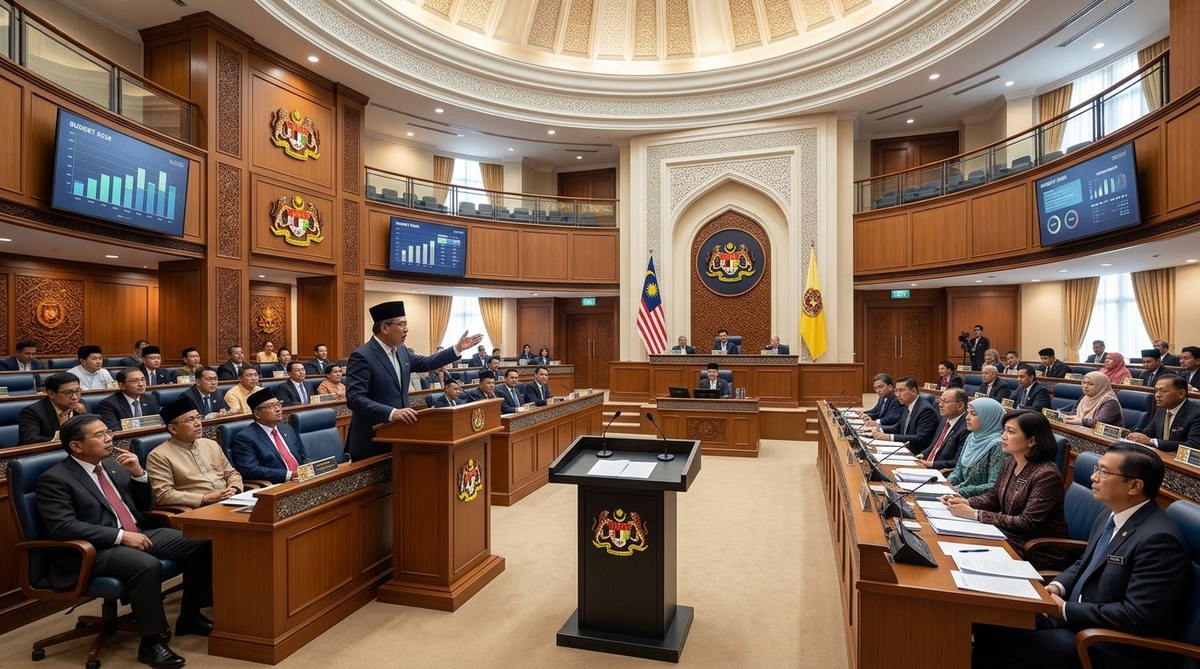
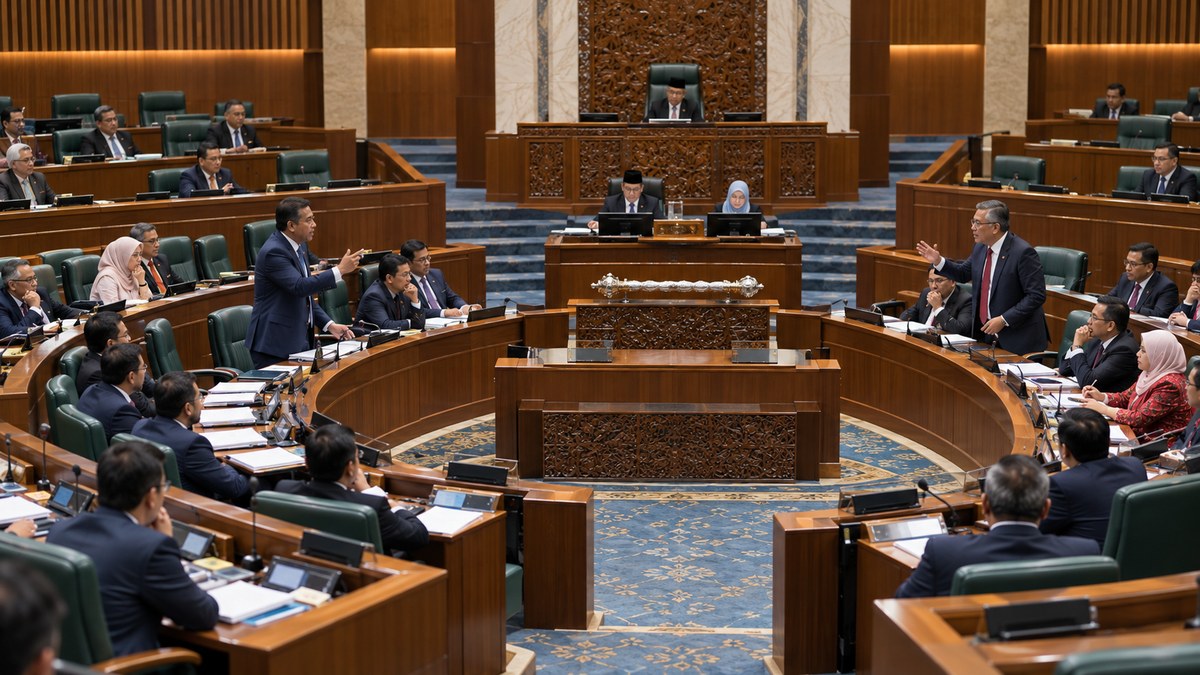
The air in the Dewan Rakyat this session feels different. When the Minister of Finance tables the 2026 budget, it will not just be about numbers on a spreadsheet. It is about who gets to control those numbers. For months, state governments from Sabah and Sarawak to Penang and Kelantan have been sharpening their arguments. They want more say over revenue, land, and resources. The federal government, meanwhile, is trying to hold the centre together. The result is a parliamentary debate that feels less like a routine budget reading and more like a constitutional showdown over state rights.
The 2026 budget debate has become the central stage for Malaysia’s ongoing struggle over state rights. With Sabah and Sarawak pushing for greater fiscal autonomy, Peninsular states demanding fairer revenue sharing, and federal authorities resisting decentralisation, the outcome of these parliamentary arguments will reshape federal-state relations for years to come.
Why the 2026 Budget Became a Flashpoint
Budget season is always tense in Malaysia. But 2026 is different. Several factors have converged to make this year’s debate a battleground for state rights.
First, the Malaysia Agreement 1963 (MA63) implementation is still incomplete. Sabah and Sarawak have been waiting for decades to see promises fulfilled. In 2026, their state leaders are using the budget debate as a platform to demand tangible progress, not just talking points.
Second, the federal government’s fiscal position is tighter than ever. Post-pandemic recovery, subsidy rationalisation, and rising debt servicing costs mean Putrajaya has less money to send to the states. When the federal allocation shrinks, states feel the pinch. They respond by demanding more control over their own revenue sources.
Third, there is a growing political trend. State governments led by opposition parties or coalitions are using budget debates to challenge federal authority. They frame the budget not as a national plan, but as a federal imposition on state autonomy.
The Core Constitutional Conflict
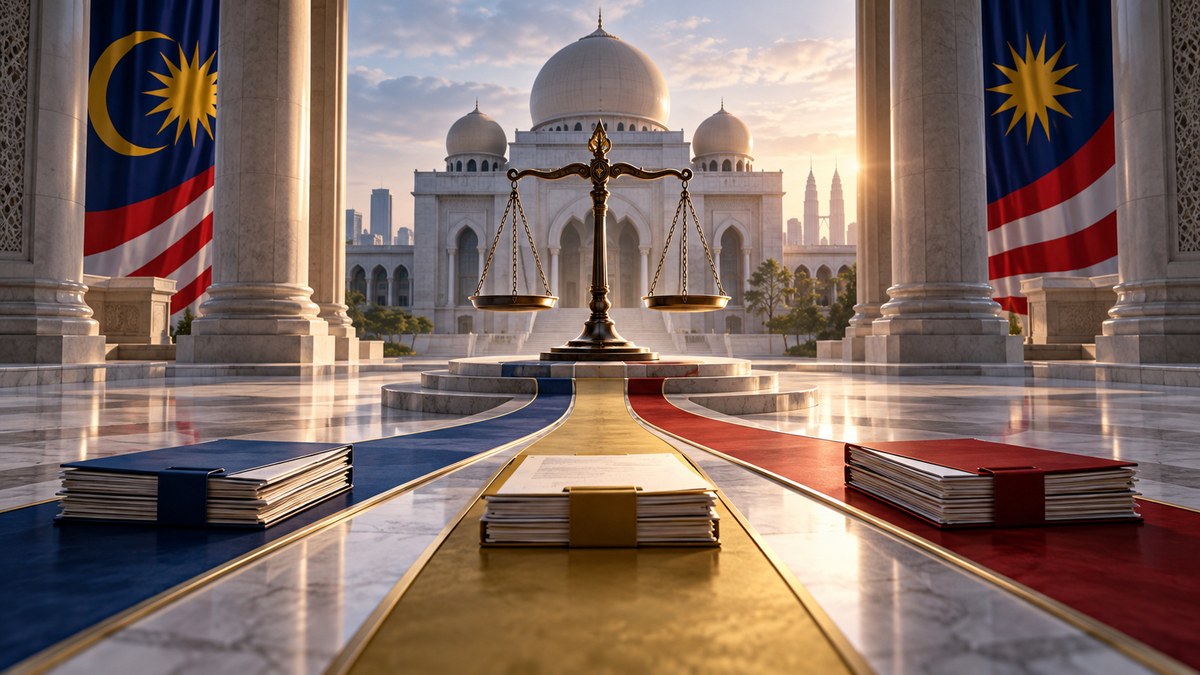
At the heart of this debate is the Federal Constitution’s Ninth Schedule. It divides powers into three lists: Federal, State, and Concurrent. In theory, the division is clear. In practice, the lines are blurry.
Take land, for example. Land is a state matter. But large infrastructure projects like the Pan Borneo Highway or the East Coast Rail Link involve federal funding and federal agencies. Who decides the terms? Who collects the taxes from these projects? These questions fuel the state rights argument.
Another flashpoint is revenue. Under Article 112C and Part IV of the Tenth Schedule, states are entitled to a share of federal revenue from certain sources. But states argue that the formula is outdated. The 2026 budget debate has become the venue to push for a new revenue sharing model.
“The budget is not just a spending plan. It is a constitutional document that either respects or erodes state autonomy. Every line item has a federal-state implication.” — Professor Datin Seri Maznah Hamid, constitutional law expert at Universiti Malaya.
Key Battlegrounds in the 2026 Debate
Several specific issues are driving the conflict. Here are the main ones to watch.
1. Special Grants for Sabah and Sarawak
Under MA63, Sabah and Sarawak are entitled to special grants in lieu of certain federal rights. The amount has been a point of contention for years. In 2026, both states are pushing for a significant increase. They argue that the current grant does not reflect their actual needs or their contribution to national revenue from oil and gas.
2. Petroleum Royalties
This is a long standing issue. Sabah and Sarawak want a bigger cut of petroleum royalties. Currently, the federal government collects most of the revenue from oil and gas production off their shores. The state governments argue that they bear the environmental and social costs of extraction. They want a 20% royalty, up from the current 5% for Sarawak and a negotiated amount for Sabah.
3. Federal vs State Control Over Water Resources
Water is a state matter under the Constitution. But the federal government has tried to centralise water management through bodies like the National Water Services Commission (SPAN). Several states, including Selangor and Kelantan, have resisted. The 2026 budget includes allocations for water infrastructure projects. The debate is about who controls the purse strings and who makes the decisions.
4. Revenue from Tourism and Hospitality
Tourism is a concurrent matter. Both federal and state governments can tax and regulate it. But the rise of state level tourism taxes (like the one proposed by Penang) has created friction. States want to keep more of the revenue generated within their borders. The federal government sees this as double taxation that hurts the national tourism brand.
How the Debate Plays Out in Parliament
The budget debate follows a structured process. Understanding the steps helps you see where state rights arguments enter the conversation.
- First reading and policy speech. The Finance Minister presents the budget. State rights issues are mentioned broadly.
- Second reading and committee stage. This is where the real fight happens. MPs from each state table specific amendments. They argue for higher allocations, more autonomy, or changes to revenue sharing formulas.
- Committee of Supply. Each ministry’s budget is debated line by line. State rights issues surface when discussing the Ministry of Finance, Ministry of Natural Resources, and Ministry of Rural and Regional Development.
- Vote and passage. The final vote is often along party lines. But cross-party coalitions of MPs from the same state sometimes vote together on state rights issues, regardless of their national party affiliation.
A Practical Look at State vs Federal Powers
To understand the conflict, it helps to see which powers belong to whom. The table below outlines the key areas of contention in the 2026 budget debate.
| Area of Conflict | Federal Position | State Position | Current Status |
|---|---|---|---|
| Petroleum royalties | Federal collects, redistributes | States want direct 20% share | Ongoing MA63 negotiations |
| Special grants for Sabah/Sarawak | Federal sets amount unilaterally | States want negotiated formula | Review committee formed in 2025 |
| Water resource management | Federal wants centralised SPAN | States want full control | Legal challenges in court |
| Tourism tax revenue | Federal collects and allocates | States want to keep local taxes | Penang proposed state tourism tax |
| Land use for federal projects | Federal can acquire land | States want veto power | Disputes over ECRL alignment |
| Sales tax on goods | Federal controls entirely | States want share of collection | Sabah and Sarawak demand more |
What This Means for Federal-State Relations
The 2026 budget debate is not an isolated event. It is part of a larger trend. State governments across Malaysia are becoming more assertive. They are no longer willing to simply accept federal decisions. They want a seat at the table.
This shift is driven by several factors:
- Stronger state leadership. Chief Ministers and Menteri Besar in 2026 are more politically experienced and vocal. They command media attention and public support.
- Electoral dynamics. Many states are held by parties not in the federal government. They use state rights as a political weapon against Putrajaya.
- Economic pressures. States like Selangor, Penang, and Johor generate significant revenue. They feel they should keep more of it rather than subsidise less developed states.
- Public awareness. Malaysians are more educated about federal-state issues. Social media amplifies state rights arguments. Voters punish leaders who appear weak in defending state interests.
Three Scenarios for the 2026 Budget Outcome
No one knows exactly how the debate will end. But based on current trends, three scenarios are possible.
Scenario A: Compromise and reform. The federal government offers concessions on MA63 implementation, petroleum royalties, and special grants. States accept a revised budget. Federal-state relations improve temporarily. This is the optimistic outcome.
Scenario B: Stalemate and tension. The federal government refuses major concessions. States vote against the budget or abstain. The budget passes with a narrow majority. But resentment grows. State governments use their own legislative powers to introduce parallel taxes or policies, creating legal conflicts.
Scenario C: Federal intervention. The federal government uses its constitutional powers to override state objections. This could involve withholding funds, invoking Article 150 (emergency powers), or challenging state laws in court. This is the most confrontational outcome and could lead to a constitutional crisis.
What to Watch in the Coming Weeks
If you are following the debate, here are the key moments to track.
- The Finance Minister’s response to state amendments during the committee stage.
- Speeches by MPs from Sabah and Sarawak, especially from Gabungan Parti Sarawak (GPS) and Gabungan Rakyat Sabah (GRS).
- Any joint statement by state governments from different parties, signalling a cross-party coalition on state rights.
- The final vote tally. If more than 30 MPs vote against the budget on state rights grounds, it signals deep dissatisfaction.
For a broader look at how these dynamics are reshaping national politics, read our analysis on Malaysia’s political stability in 2026. You can also understand the background by checking our piece on how Malaysia’s federal-state relations are at a crossroads in 2026.
Why This Debate Matters Beyond Parliament
The outcome of the 2026 budget debate will affect everyday Malaysians. If states gain more fiscal autonomy, they can invest more in local infrastructure, schools, and hospitals. If the federal government centralises further, states may lose the ability to respond to local needs.
For example, a state that controls its own water resources can manage droughts more effectively. A state that keeps more tourism revenue can build better roads and public facilities. On the other hand, too much fragmentation could lead to uneven development, with richer states pulling ahead while poorer states fall further behind.
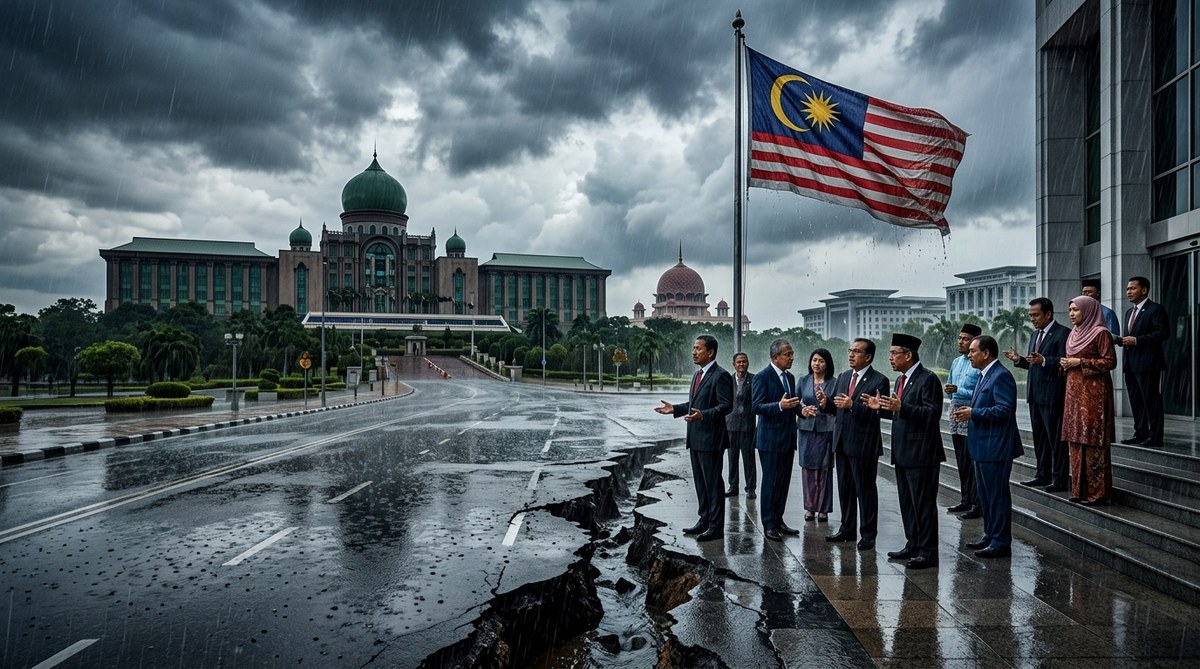
The debate also tests the health of Malaysia’s democracy. A federal system works best when both levels of government respect each other’s roles. The 2026 budget debate is a stress test. It will show whether Malaysia can manage its diversity through negotiation and compromise, or whether it will drift toward centralisation and conflict.
A Turning Point for Malaysian Governance
The 2026 parliamentary budget debate is more than a procedural exercise. It is a defining moment for state rights in Malaysia. The arguments made in the Dewan Rakyat this year will set precedents for future budgets. They will influence the next general election. They will determine whether Malaysia moves toward a more balanced federal system or a more centralised one.
For anyone following Malaysian politics, this is the story to watch. It is not just about numbers. It is about power, identity, and the future shape of the nation. Stay informed. Pay attention to the details. And remember that the outcome will affect not just politicians in Putrajaya, but every Malaysian who cares about how their state is governed.

Leave a Reply