
If you have been watching Parliament closely over the last few years, you know the conversation around reform has moved from whispers to a steady hum. For a politically engaged Malaysian, tracking the Malaysia parliamentary reform bills 2026 is not just an academic exercise. It is about understanding how power might shift, how checks and balances could tighten, and how your vote might carry more weight in future elections. The coming session promises to be one of the most consequential in recent memory, with several long-awaited pieces of legislation finally expected to be tabled.
Five major bills are poised to reshape Malaysian governance in 2026. They target term limits for the Prime Minister, separation of the Attorney General and Public Prosecutor roles, a new Ombudsman Act, the long-stalled IPCMC, and tighter political funding rules. Each bill addresses a specific gap in accountability and could fundamentally alter how power is exercised and monitored.
The bills that could change everything
Not every piece of legislation that lands in the Dewan Rakyat carries the same weight. Some are routine. Others are foundational. The five bills below belong firmly in the second category. They are designed to address structural weaknesses that have allowed power to concentrate and accountability to slip.
1. The Prime Minister Term Limit Bill
This bill proposes a constitutional amendment to limit the Prime Minister to two terms in office. The idea has been floated for years, but 2026 might finally be the year it sees a vote. Proponents argue that term limits prevent the entrenchment of executive power and encourage leadership renewal. Critics worry it could create lame-duck governments.
If passed, Malaysia would join a small group of Commonwealth countries with formal term limits for the head of government. The amendment requires a two-thirds majority in Parliament, which means cross-party support is essential. That is never a guarantee, but the political climate in 2026 appears more receptive than in previous years.
2. The Attorney General and Public Prosecutor Separation Bill
Right now, the Attorney General also serves as the Public Prosecutor. This dual role has long been a source of concern for those who want clearer separation of powers. Critics argue it creates a conflict of interest, especially in politically sensitive cases.
This bill would split the roles into two distinct offices. The Attorney General would advise the government on legal matters. The Public Prosecutor would handle criminal prosecutions independently. For anyone following high-profile corruption cases, this change could be a game-changer. It removes the perception that the prosecution can be influenced by political considerations.
3. The Malaysian Ombudsman Act
Malaysia currently lacks a single, powerful ombudsman office that can investigate complaints against the public service. Instead, oversight is scattered across multiple agencies, which often leads to confusion and delays. The proposed Ombudsman Act would create a central body with real teeth.
This office would have the authority to investigate maladministration, recommend disciplinary action, and refer cases to the Malaysian Anti-Corruption Commission (MACC) when necessary. For the average Malaysian who has struggled with a government department, this could provide a clearer and more effective route for redress.
4. The IPCMC Bill (Independent Police Complaints and Misconduct Commission)
The IPCMC has been talked about for over a decade. It is designed to provide independent oversight of the Royal Malaysia Police (PDRM). Currently, complaints against police officers are handled internally, which many see as a system that lacks transparency.
The 2026 version of the bill is expected to include stronger powers for the commission, including the ability to summon witnesses and recommend prosecution. This is a sensitive area, and police associations have historically pushed back. But public support for independent oversight has grown, especially in the wake of several high-profile cases involving police conduct.
5. The Political Funding Bill
Money in politics is a tricky subject everywhere, and Malaysia is no exception. The Political Funding Bill aims to bring transparency to how political parties and candidates raise and spend money. It would require parties to declare donations above a certain threshold and ban foreign funding entirely.
This bill is seen as a natural complement to the MACC Act and other anti-corruption measures. Without clear rules on political funding, enforcement of existing laws can be difficult. If passed, it would give voters a clearer picture of who is bankrolling their politicians, which is a powerful tool for accountability.
A practical guide to tracking these bills
If you want to follow the progress of these Malaysia parliamentary reform bills 2026, you do not need to be a policy analyst. Here is a simple three-step process.
-
Set up alerts for the Parliamentary website. The official portal publishes the Order Paper for each sitting day. Look for the “Bills” section. If any of the five bills above appear, they will be listed there.
-
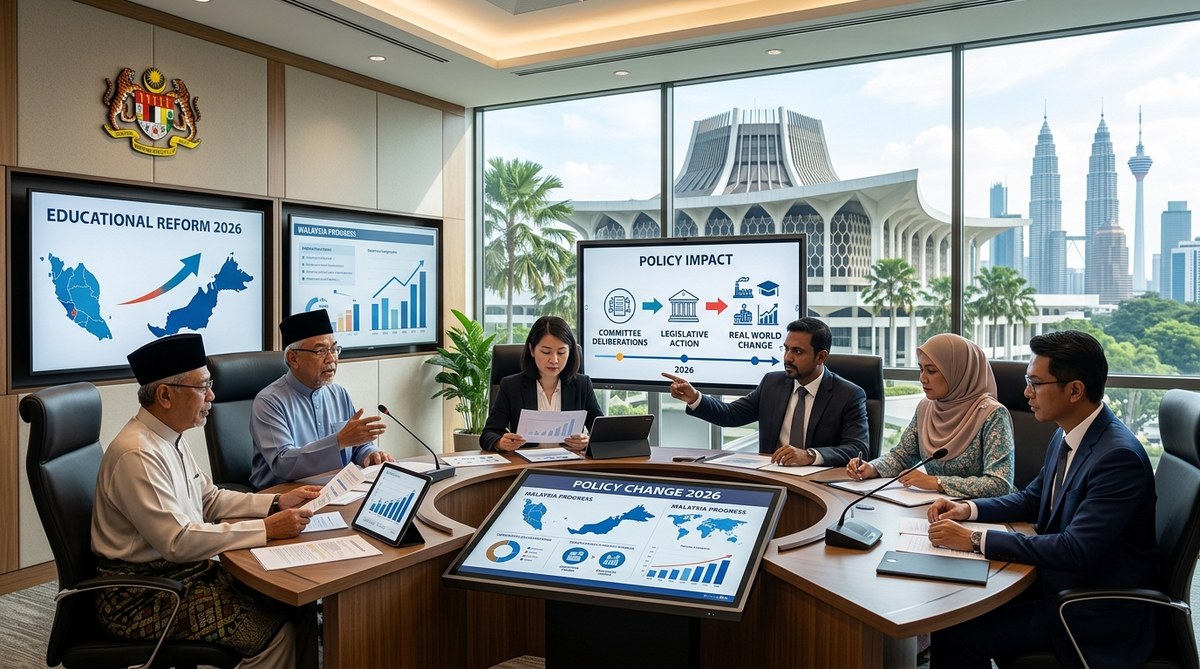
Follow the Parliamentary Select Committee (PSC) reports. Before a major bill is tabled, it often goes through a PSC for scrutiny. The PSC reports are public and they contain detailed analysis and recommendations. These reports are often more revealing than the parliamentary speeches.
-
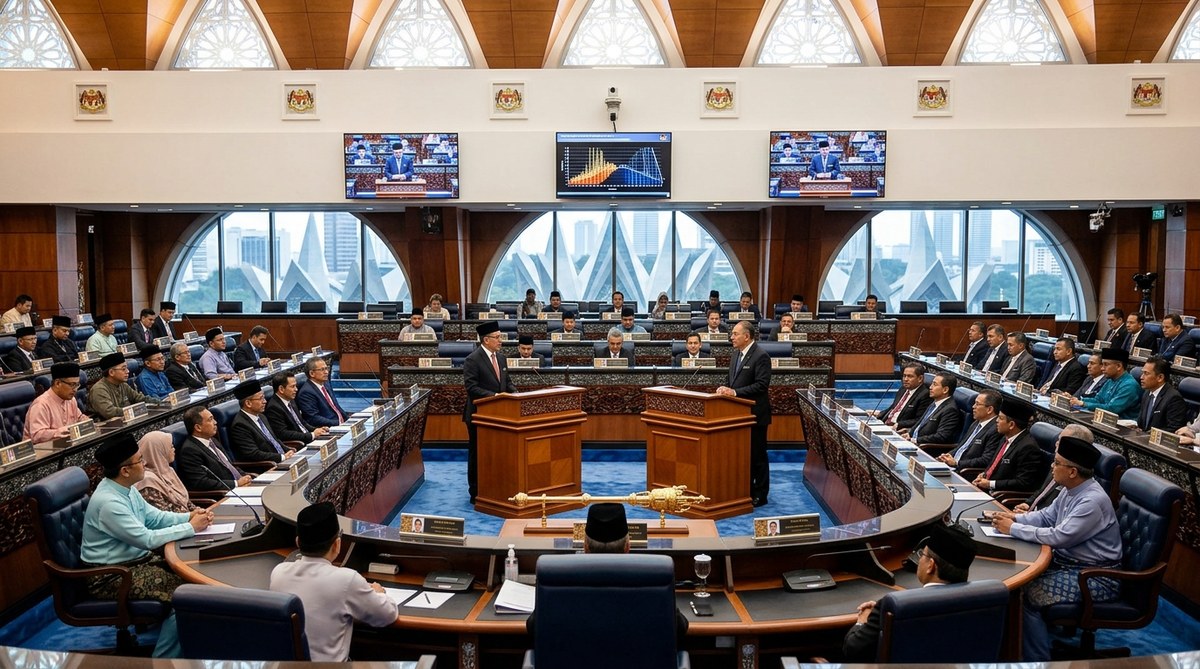
Watch the second reading. The second reading is the most important stage. That is when the Minister in charge explains the bill and MPs debate its principles. You can watch the live stream on the official Parliament YouTube channel or read the Hansard transcript the next day.
What to watch for in the debate
Not all opposition to reform is loud. Sometimes it is procedural. Here is a table of common tactics used to stall or weaken reform bills, and what they mean.
| Tactic | What it looks like | What it means for the bill |
|---|---|---|
| Referral to a Select Committee | The Speaker sends the bill to a PSC for further study | Delays the vote, often used to buy time for negotiations |
| Blocking the second reading | MPs raise objections to the principle of the bill | Signals deep political opposition; the bill may be shelved |
| Introducing many amendments | Dozens of proposed changes are tabled at committee stage | Attempt to dilute the bill or make it unworkable |
| Lack of quorum | Not enough MPs present to proceed with a vote | Can force a suspension of proceedings |
| Filibustering | MPs give long speeches to run out the clock | Rare in Malaysia but possible during late-night sittings |
“The real test of a reform bill is not whether it passes, but whether it survives the committee stage intact. That is where the details are fought over.” – Former Parliamentary staff member, Kuala Lumpur
What these bills mean for you
Each of these five bills speaks to a different part of the accountability puzzle. Together, they form a package that could shift the balance of power away from the executive and toward Parliament, the courts, and the public. For the Malaysian citizen, the practical impact could be significant.
- More trust in institutions. When the prosecution is independent and the police are overseen by an external body, public confidence in the system tends to rise.
- Clearer accountability. If you know who is funding a political party, you can make a more informed choice at the ballot box.
- Stronger checks on power. Term limits and a separate prosecution office reduce the risk of one person or group dominating the system.
Of course, passing a bill is only the first step. Implementation matters just as much. A law that looks good on paper but is poorly enforced does not change anything. That is why civil society groups and the media will need to stay vigilant after these bills become law.
The bigger picture: reform and political stability
Reform is often framed as a threat to stability, but the opposite is usually true. When institutions are transparent and accountable, they earn legitimacy. That legitimacy is what keeps a democracy stable over the long term. The Malaysia parliamentary reform bills 2026 are not just about fixing past problems. They are about building a framework that can handle future challenges, whether those challenges are economic, social, or political.
For a deeper look at the broader shifts happening in Malaysian governance, you can read our analysis on how Malaysia’s political landscape will evolve in 2026. It provides context on the coalition dynamics that will shape whether these bills pass or stall.
What comes next after the bills are tabled
The tabling of a bill is not the end of the story. It is the beginning of a process that involves committee hearings, public consultations, and often, last-minute amendments. For those who want to stay engaged, here are a few things to keep an eye on after the bills are introduced.
- The timeline for the PSC hearings. If a bill is referred to a select committee, the hearings will be scheduled. Civil society organisations often submit memoranda during this phase.
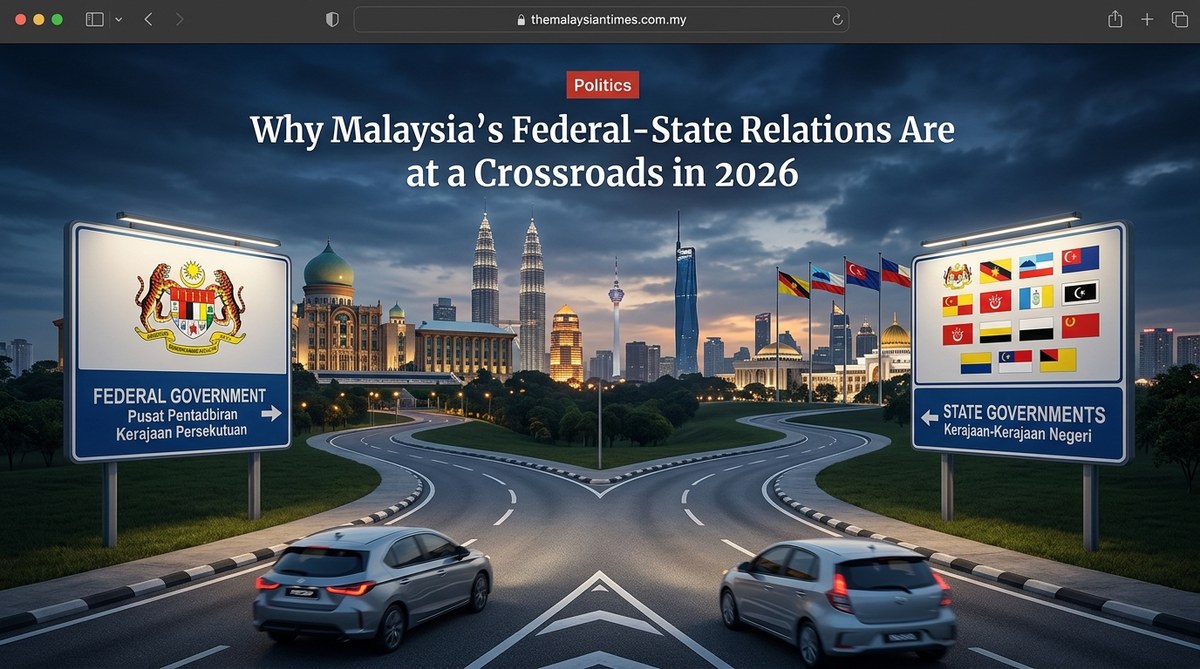
- The position of Sabah and Sarawak. Some of these bills touch on federal-state relations. The views of MPs from Sabah and Sarawak will be crucial, especially for constitutional amendments.
- The role of the media. Independent media outlets will scrutinise the details. Following their coverage can help you spot changes that happen quietly.
Why 2026 feels different
There is a sense among political observers that 2026 is a window of opportunity for reform that may not stay open forever. The current government has made institutional reform a stated priority. The opposition, while divided on many issues, has also called for stronger accountability measures. That rare alignment of interests creates a moment where progress is possible.
But windows close. If these bills do not pass in 2026, they could be delayed for years. That is why the pressure from the public and from civil society matters so much right now.
How to make your voice heard
You do not need to be an MP to influence the legislative process. Here are a few practical ways to engage.
- Write to your MP. A thoughtful, respectful letter asking for their stance on a specific bill can have an impact. MPs pay attention to their constituents.
- Submit a memorandum. Civil society groups often coordinate public submissions to PSCs. You can contribute your perspective as a citizen or as part of an organisation.
- Share accurate information. Misinformation about reform bills is common. Sharing verified facts from official sources helps build a more informed public debate.
For those who want to understand how the broader political shifts connect to these bills, our piece on deciphering Malaysia’s political shifts offers a useful overview of the forces at play.
A moment of accountability
These five bills represent more than legislative housekeeping. They are a response to years of public demand for a government that is transparent, accountable, and responsive. Whether you are a policy analyst, a journalist, or simply a Malaysian who cares about how the country is run, the 2026 parliamentary session is one to watch closely. The outcome of these bills will shape the political environment for years to come.




Leave a Reply