

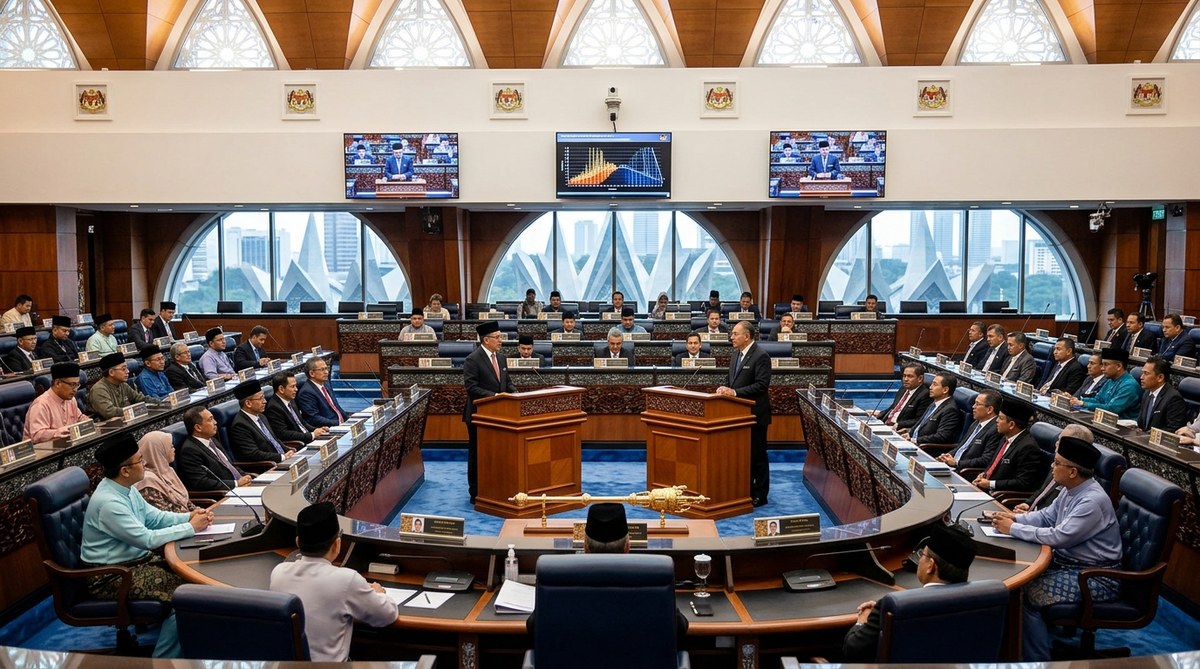
In Malaysia, a national budget is never just about numbers. It is a political statement, a bargaining chip, and sometimes a lifeline for fragile coalitions. When the government tabled Budget 2026 in Parliament this October, the RM470 billion figure grabbed headlines. But behind the allocations for subsidies, infrastructure, and digital transformation lies a more subtle story: how the budget is quietly redrawing the map of political alliances in Malaysia. For analysts tracking coalition stability, party loyalty, and the balance of power between Pakatan Harapan, Barisan Nasional, and Perikatan Nasional, this budget offers a rare live case study.
Budget 2026 uses targeted spending and policy signals to reward loyal partners, test opposition unity, and anchor the unity government. Analysts should watch state allocations, subsidy reforms, and civil service pay adjustments as indicators of which parties gain leverage. The budget’s fiscal discipline also pressures Perikatan Nasional to choose between populism and credibility.
A Budget That Favors the Coalition Core
The unity government under Prime Minister Anwar Ibrahim entered 2026 with a relatively stable majority, but that stability depends on keeping both Pakatan Harapan and Barisan Nasional happy. Budget 2026 does not hide its political logic. Consider the allocation for Sabah and Sarawak: a combined RM17 billion in development funds, a record high. This directly strengthens ties with Gabungan Parti Sarawak (GPS) and other East Malaysian allies. When GPS leaders praised the budget as “fair and inclusive,” they signaled continued support for the federal government.
At the same time, the budget restored several subsidies for B40 households, including the return of the domestic tourism tax relief. This move appeals to Barisan Nasional’s base, especially in rural seats where subsidy cuts can cost votes. By framing these measures as “MADANI” initiatives, the government ties economic benefits to the ruling coalition’s brand.
How Perikatan Nasional Is Navigating the Budget
The opposition block, led by Perikatan Nasional (PN), faces a dilemma. PN’s strength lies in its populist message, especially among Malay voters in the north and east coast. Yet Budget 2026 includes a significant civil service pay hike of up to 15% for lower and middle grade officers. Since civil servants form a key voting bloc in PN’s strongholds, PN cannot oppose the raise outright. Instead, its leaders have criticised the budget for not going far enough, calling for a minimum wage of RM2,000 and deeper subsidies. This places PN in a tactical bind: either support the budget and lose their anti-government edge, or oppose it and risk alienating public sector voters.
For analysts, this is a classic test of opposition discipline. PN’s decision in the upcoming parliamentary vote will be a strong signal of whether the coalition can hold together or will fracture along ideological lines.
The Role of Subsidy Reform in Alliance Dynamics
Subsidy rationalisation has long been a political minefield. In 2025, the government partially floated the price of RON95 petrol for the top 15% of income earners, triggering protests from pro-business parties within the coalition. Budget 2026 doubles down on targeted subsidies, expanding the Sumbangan Tunai Rahmah (STR) cash aid to cover 9 million recipients. But the key change is the introduction of a new, income-based tier for fuel subsidies that benefits middle-income households (the “M40” group). This tweak rewarded parties that pushed for a softer approach — mostly from PKR and Amanah — while marginalising the more reformist wing that wanted full liberalisation.
To understand how subsidy decisions affect party loyalty, here is a simple breakdown:
| Subsidy Area | 2025 Policy | Budget 2026 Change | Likely Political Impact |
|---|---|---|---|
| RON95 petrol | Targeted for T15 | Extended to M40 with income cap | Wins over middle class; calms BN and GPS critics |
| Electricity | Flat subsidy | Tiered rebates based on usage | Helps low-income states; weakens PN’s rural narrative |
| Cooking oil | Untargeted bulk | Improved MyKad verification | Reduces leakage; populist complaints from PAS |
| STR Cash Aid | RM2.1 billion | RM3.2 billion | Strengthens coalition’s pro-rakyat image |
The table shows a clear pattern: the budget carefully rewards coalition partners by allocating benefits to their voter bases, while making it harder for the opposition to claim the government is deaf to the rakyat.
Blockquote Example: Expert Insight
“Budget 2026 is a masterclass in political survival. Every ringgit is assigned with coalition arithmetic in mind. The real question is whether these allocations can survive the next state election cycle, especially in Kedah and Terengganu where PN holds power.” — Dr. Fatimah Hamzah, Fellow at the Institute of Strategic and International Studies (ISIS) Malaysia
Unpacking the State Allocation Game
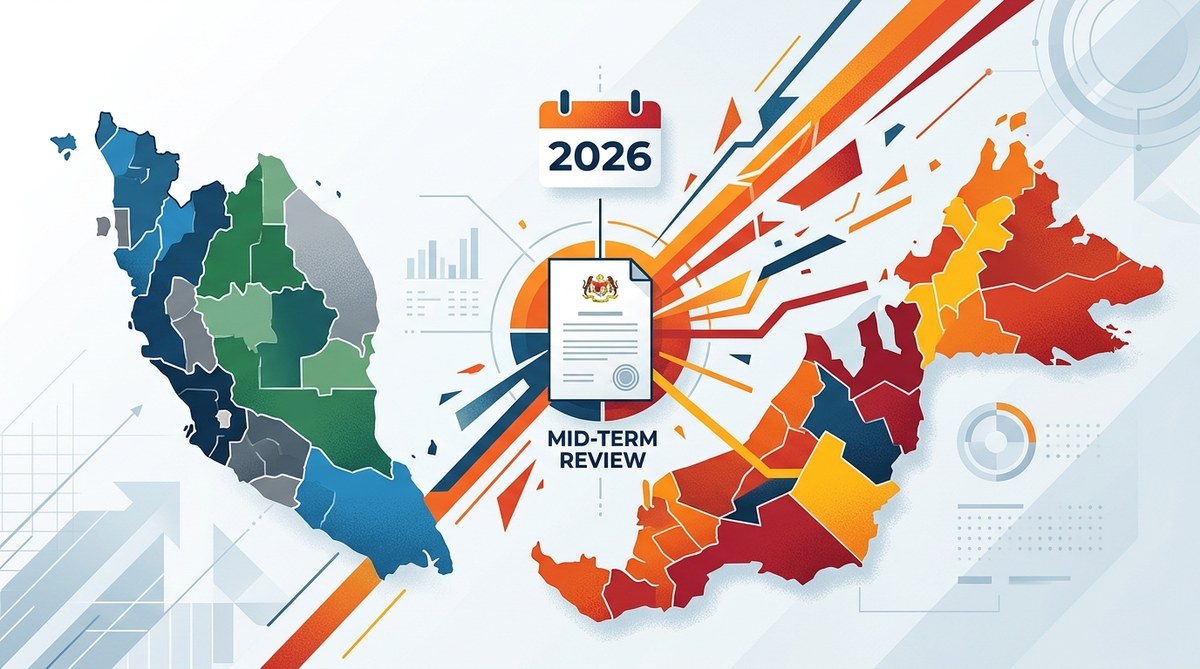
State governments receive funding through Article 112D of the Federal Constitution, but the budget also includes discretionary grants and special projects. This year, the government announced a new RM1 billion “Infrastructure Resilience Fund” exclusively for states that have signed a Memorandum of Understanding (MoU) with the federal government on water management. So far, only Selangor, Penang, and Negeri Sembilan — all Pakatan-led — have signed. Perlis and Kelantan, both PN-held, have not.
This is not accidental. By conditioning funds on cooperation, the federal government creates incentives for opposition states to negotiate, which in turn can weaken PN’s narrative of federal neglect. For political analysts, tracking which states sign MoUs in the coming months will be a leading indicator of whether the budget’s alliance-shaping strategy is working.
A Numbered List: Three Processes That Show Political Bargaining in Action
- Parliamentary debate and amendment negotiations. Each clause in the budget bill becomes a bargaining chip. Backbenchers from BN, GPS, and even some PKR members submit request for additional allocations to their constituencies. The Finance Ministry then trades marginal amendments for continued support. The final vote is usually a show of unity, but the behind-the-scenes horse trading reveals the real power dynamics.
- Post-budget state roadshows. Ministers from the unity government travel to each state to explain the budget. These roadshows double as political rallies. In states where PN is strong, the government invests extra effort in appearing responsive. If a roadshow in Kedah sparks a public spat, it signals that the budget failed to mollify local resentment.
- Budget implementation tracking. After the budget is passed, the Treasury monitors how allocations are actually disbursed. Delays in funding to states controlled by opposition parties are often interpreted as political punishment. Civil servants who leak such data can influence public perception and, indirectly, party loyalties.
Bulleted List: Signs That Budget 2026 Is Shifting Alliances
- Increased attendance of BN lawmakers at government events. Since the budget was tabled, UMNO MPs have been more visible in joint press conferences with PH leaders.
- Quieter criticism from GPS. Sarawak’s ruling party has toned down its demands for more autonomy, suggesting satisfaction with the budget’s East Malaysia focus.
- Muted reaction from Muda and other minor parties. The youth-oriented Muda party, which previously threatened to withdraw support, has not criticised the budget heavily.
- PN struggles to coordinate a single alternative budget. The opposition’s failure to propose a cohesive counter-budget reveals internal splits between PAS’s social conservatism and Bersatu’s economic nationalism.
Budget 2026 and the Future of the Unity Government
Political alliances in Malaysia are not permanent. They shift with every electoral cycle and every budget. Budget 2026 reinforces the current coalition by rewarding its members with tangible benefits while isolating the opposition. But there are risks. If inflation persists and the M40 tier for fuel subsidies proves difficult to implement, the opposition can frame the budget as a “rich man’s giveaway.” The government’s reliance on oil-related revenue also makes it vulnerable to global price shocks.
For a wider view of how Malaysian politics is evolving, you might find our analysis of how Malaysia’s political landscape will evolve in 2026 useful. Also, the debate over subsidy rationalisation ties directly into the 3 major shifts in Malaysia’s counter-corruption policies under the current government, which have influenced public trust in the budget’s distribution.
Tracking the Opposition’s Next Move
Perikatan Nasional is now at a crossroads. It can oppose the budget and risk looking reckless, or support it and lose its identity. Early indications suggest PAS may opt for a “principled opposition” stance, voting against but campaigning on specific flaws like the insufficient broadband allocation for rural schools. Bersatu, on the other hand, seems more willing to negotiate. This tension could either strengthen PN by forcing internal debate or fracture it. For a deeper look at the opposition’s struggles, read our piece on why is Malaysia’s opposition struggling to gain traction in 2026.
What This Means for Political Stability
Budget 2026 is more than a financial document. It is a strategic tool for managing coalition politics. By allocating resources judiciously, the government has bought itself at least another year of parliamentary support. But the stability this provides is conditional. If state elections in 2027 shift the balance of power, the same budget could become a liability. For now, the unity government appears to have navigated the budget process without losing a single ally. That alone is a significant achievement in Malaysia’s turbulent political environment.
As the year winds down, analysts will watch the roll-out of the infrastructure fund and the civil service pay hike. These two items will determine whether the budget’s political calculus holds. If executed well, Budget 2026 will be remembered as the moment when Malaysia’s alliance system stabilised. If mishandled, it could plant the seeds for the next political realignment.
To stay ahead of these shifts, keep an eye on how each party positions itself during the budget implementation phase. The real story is not in the budget speech, but in the quiet deals and public statements that follow. For those who study Malaysian politics, Budget 2026 offers a rare opportunity to observe power in action. Use it as a lens to understand the alliances that will shape Malaysia’s future.


Leave a Reply