
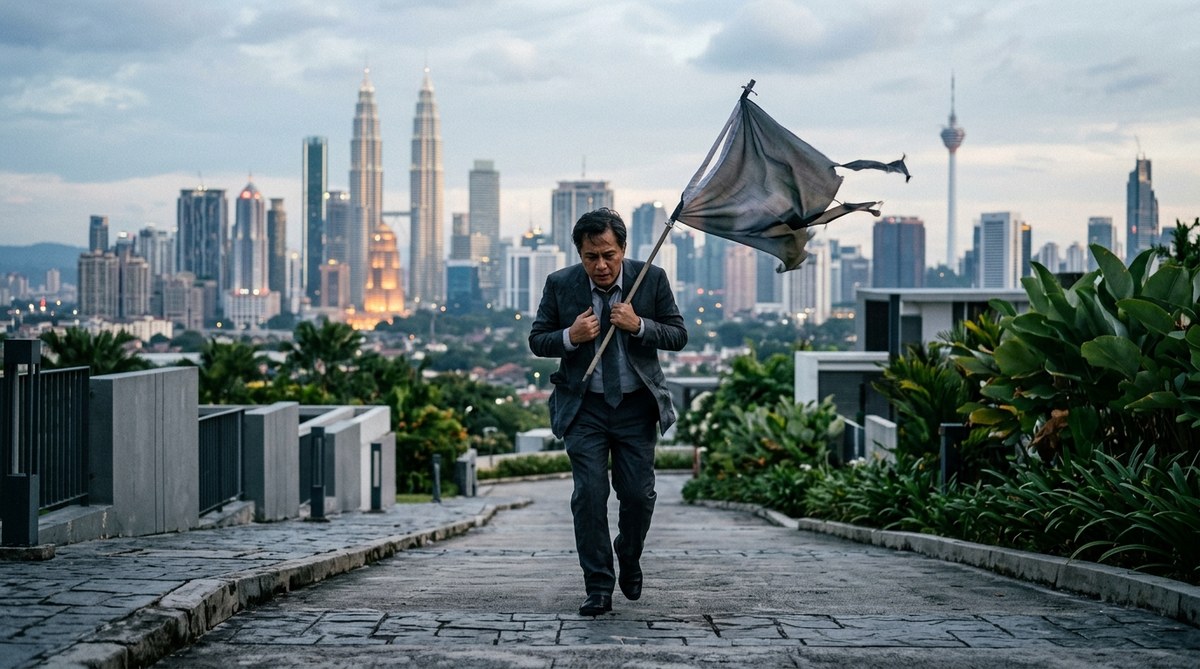
If you have watched the news in Malaysia lately, you might have noticed something. The opposition coalition, once riding high after GE15, seems stuck in neutral. Their rallies still draw crowds. Their social media posts still go viral. Yet when you look at polls and by election results, the gap with the ruling coalition is not closing. This is not a temporary lull. It is a structural shift that analysts and party strategists are only beginning to fully understand.
Malaysia’s opposition in 2026 faces a trio of interconnected hurdles: internal fragmentation that erodes public trust, a ruling coalition that has successfully stabilised the economy, and a youth demographic that is increasingly sceptical of all political brands. Without credible policy alternatives and unified leadership, traction will remain elusive.
## The Fragmented Landscape: Infighting and Succession Battles
The most visible problem is internal. Within the Perikatan Nasional (PN) alliance, Bersatu’s leadership tussle has become a public spectacle. Two top figures are locked in a succession fight that newspapers in Kuala Lumpur and Ipoh cover almost daily. Loyalists trade barbs on social media. Policy debates take a back seat to personality wars. For voters in places like Kedah or Kelantan, this looks like the same old game.
Meanwhile, PAS, the other major opposition party, is grappling with its own identity. Its traditional religious base remains strong. But younger urban Malays, especially in the Klang Valley, are less receptive to hardline rhetoric. PAS leaders have tried to soften their image, yet the shift feels cautious and inconsistent.
The result is a coalition that cannot present a united front. When asked about the economy, one opposition leader blames the government. Another offers a vague promise of reform. A third talks about race and religion. Voters hear noise, not clarity.
## Policy Versus Identity: What Voters Care About Now
In 2026, the Malaysian electorate is more pragmatic than ever. The cost of living, jobs, and public services dominate kitchen table conversations. The opposition’s default strategy has been to attack the government’s legitimacy, but that argument is losing power. The ruling coalition, under Anwar Ibrahim, has managed to stabilise the ringgit, attract foreign investment, and keep inflation relatively moderate. Critics will point to cronyism and slow reforms. Yet for many middle class families in Petaling Jaya or Johor Bahru, the economy is no longer a crisis.
The opposition’s message still revolves around the “backdoor government” narrative and fears of a liberal agenda. That resonated in 2020. It feels stale in 2026. Voters want to hear how a new government will make their lives better, not just why the current one is bad.
This disconnect shows clearly in local by elections. In the three by elections held in early 2026, the opposition failed to flip any seats. In two of them, they lost Malay support they had won in GE15. Analysts call it a “softening of the protest vote.”
## The Ruling Coalition’s Strengthened Position in 2026
It is not just that the opposition is weak. The ruling coalition is stronger. The unity government of Pakatan Harapan, Barisan Nasional, and Gabungan Parti Sarawak has held together longer than many expected. Key policy wins, like the gradual rollback of subsidies, the digital economy push, and the Madani budget, have created a sense of direction.
The government also controls the machinery. Civil service reforms, though slow, are rebuilding trust in institutions. The police and judiciary are seen as more impartial than during the PN era. The opposition can no longer paint the government as corrupt without evidence that sticks.
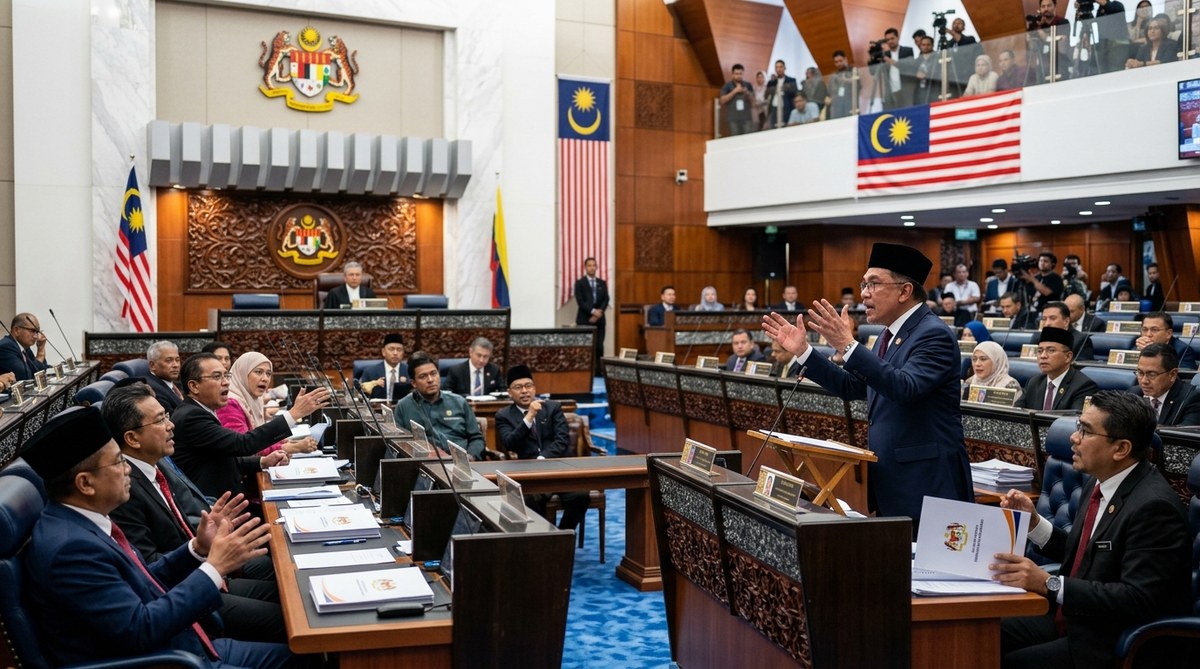
Furthermore, the government has used its majority to pass laws that limit the opposition’s ability to grandstand. The Anti Party Hopping Law and tighter rules on parliamentary motions have reduced the drama that the opposition once thrived on.
## Youth Voters and Social Media Fatigue
Back in 2018 and 2022, young voters turned out in force to unseat the old guard. They used TikTok and Instagram to organise. They believed in change. In 2026, that energy has faded. Many young Malaysians now say they are tired of politics. They see both sides as self serving.
The opposition’s digital machine, once its secret weapon, now feels formulaic. The same influencers share the same talking points. The same outrage clips circulate. Young voters scroll past. They want concrete solutions for housing, gig worker rights, and mental health support. The opposition offers none of these in a credible package.
This shift is especially dangerous for the opposition because youth voters are the fastest growing segment of the electorate. If they stay home on election day, the opposition cannot win.
## Three Concrete Obstacles the Opposition Must Overcome
To regain momentum, the opposition needs to address these specific challenges:
1. **Unify the leadership.** Both Bersatu and PAS must resolve their internal conflicts and present a single prime ministerial candidate. Voters reward clarity. The current ambiguity is a liability.
2. **Craft a credible economic platform.** Instead of just criticising the government, the opposition should publish a costed alternative budget. Show voters how they would lower prices, create jobs, and manage debt. Without numbers, their promises are just words.
3. **Rebuild trust with non Malay voters.** The opposition’s over reliance on Malay nationalism scares away Chinese and Indian Malaysians, especially in mixed seats. A more inclusive message could flip urban constituencies. But such a shift risks alienating the base.
## Key Factors Holding Back Traction
Several structural factors compound the opposition’s problems:
– **Media landscape.** Mainstream news outlets, especially TV stations, lean pro government. The opposition’s message struggles to reach non digital audiences in rural areas.
– **Constituency boundaries.** The current electoral map still favours rural Malay seats where the government has strong support. Redelineation is unlikely before the next election.
– **Campaign finance.** The opposition operates on a shoestring budget compared to the government’s deep pockets. They cannot match the scale of government billboards, handouts, and events.
– **Fatigue with “change” narratives.** The 2018 promise of “reformasi” has not fully materialised. Voters are cynical. Any new opposition promise is met with “we have heard this before.”
## What Works and What Doesn’t: A Snapshot of Strategies and Voter Sentiment
| Opposition Strategy | Voter Sentiment (2026) | Likely Impact |
|——————–|————————|—————-|
| Attack government legitimacy | Declining; voters accept current government as legal | Minimal |
| Focus on Malay rights and religion | Strong with rural base; alienates urban and non Malays | Mixed |
| Economic criticism without alternatives | Seen as whining | Negative |
| Policy papers and town hall sessions | Low awareness; but appreciated when seen | Positive, but underused |
| Youth focused content on TikTok | Oversaturated; content feels recycled | Diminishing returns |
| Coalition unity talks | Seen as positive by swing voters | Moderate |
A senior political analyst from Universiti Malaya offered this perspective:
> “The opposition in 2026 is suffering from a classic mid term slump made worse by internal dysfunction. They underestimate how much voters dislike chaos. The public wants stability first and reform second. As long as the opposition looks like it cannot manage itself, it will struggle to convince voters it can manage the country.”
## What Could Turn the Tide for the Opposition?
The opposition is not doomed. Malaysian politics remain fluid. A major scandal, an economic shock, or a serious misstep by the government could reopen the window. But waiting for external events is a poor strategy.
The smarter move is internal housekeeping. If Bersatu and PAS can settle their leadership issue by mid 2026, they will have 18 months before the next general election. That is enough time to rebuild. They also need to invest in local level engagement, not just national soundbites. Many former opposition strongholds in Terengganu and Kelantan have slipped because local service delivery was neglected.
There is also an opportunity in youth policy. If the opposition can craft a bold plan for affordable housing, gig economy protections, and mental health services, they could win back the young voters who now tune them out. It would require a shift away from identity politics. But the payoff could be significant.
For now, though, the path ahead for the opposition is uphill. Voters in Malaysia are not as angry as they were in 2018. They are cautious, tired of noise, and looking for substance. Until the opposition offers that substance, traction will remain a dream.
If you are following these trends, keep an eye on the party elections later this year. The outcome will signal whether the opposition is serious about fixing its internal problems or content to drift. And if you want a deeper understanding of how the broader political landscape is shifting, read our analysis on [how Malaysia’s political landscape will evolve in 2026](https://themalaysiantimes.com.my/how-malaysias-political-landscape-will-evolve-in-2026/). Developments in the youth vote are especially critical, as detailed in [the role of youth in shaping Malaysia’s political future](https://themalaysiantimes.com.my/the-role-of-youth-in-shaping-malaysias-political-future/). The story is far from over, but the next few months will define whether the opposition can turn its fortunes around or remain a bystander in Malaysia’s political evolution.







Leave a Reply