
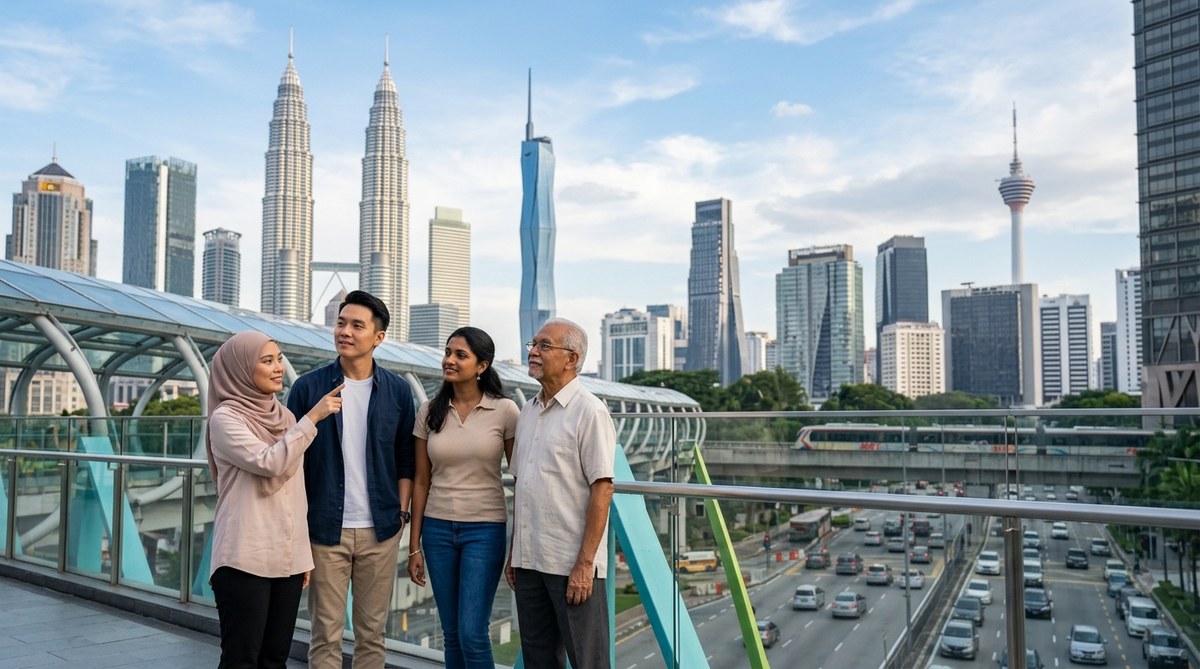
Malaysia enters 2026 amidst a landscape shaped by cautious optimism and ongoing political adjustments. Recent years have seen Malaysia’s political scene evolve rapidly, with shifts in leadership, policy reforms, and social movements. As the nation continues navigating these changes, understanding the outlook for Malaysia’s political stability in 2026 becomes essential for citizens, investors, and expatriates alike. Will Malaysia sustain its stability or face new challenges? Let’s unpack what the future holds and how Malaysians can prepare for the year ahead.
Malaysia’s political stability in 2026 hinges on effective governance, social cohesion, and the ability to adapt to regional influences. While challenges remain, proactive reforms and a resilient civil society foster confidence in the nation’s future stability. Investors and citizens should stay informed on political developments to navigate the evolving landscape confidently.
Understanding Malaysia’s Political Climate in 2026
Malaysia’s political landscape in 2026 is marked by a delicate balance between continuity and change. After years of shifting coalitions and leadership, the country has moved towards a more stable and predictable political environment. This stability is driven by a mix of institutional reforms, increased engagement from civil society, and a focus on economic resilience. However, underlying tensions and regional influences still pose risks that could impact long-term stability.
Elections held in 2023 reaffirmed the populace’s desire for stability, with voter turnout remaining high and political parties focusing on nation-building rather than divisive tactics. The government’s emphasis on transparency, anti-corruption measures, and social inclusivity has contributed to a sense of cautious confidence among Malaysians.
Key Factors Influencing Malaysia’s Political Stability in 2026
Several factors shape the outlook for Malaysia’s political stability this year. Understanding these can help citizens and investors gauge the risks and opportunities ahead.
1. Leadership and Governance Reforms
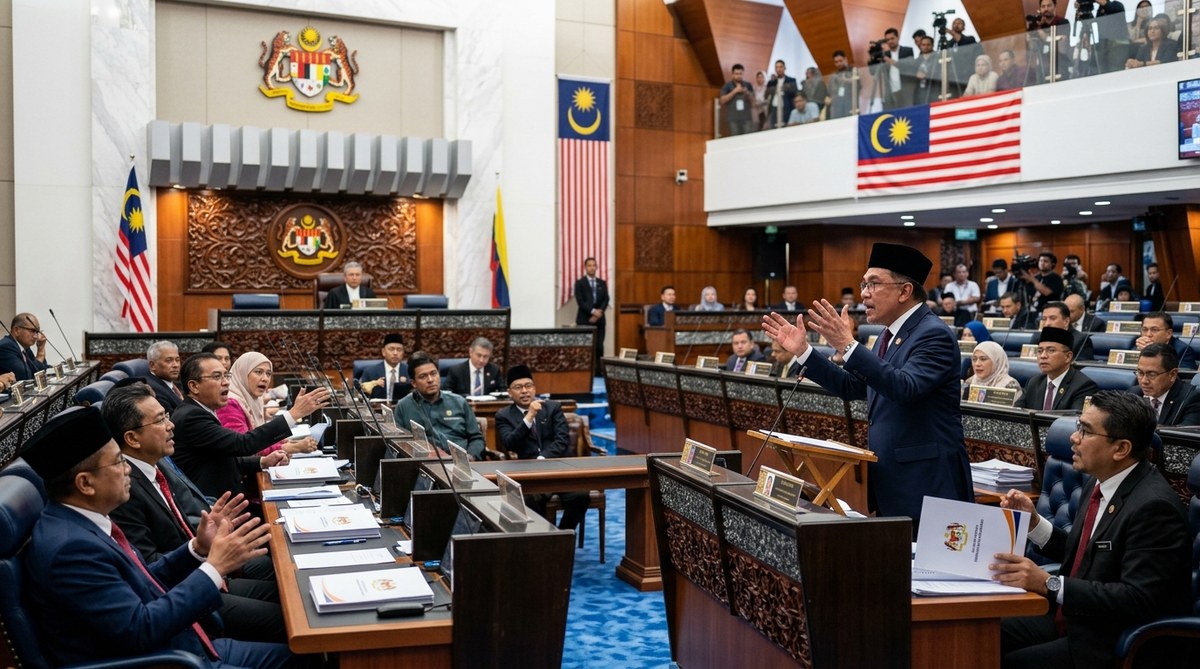
Recent leadership changes, including the appointment of a more reform-minded cabinet, signal a shift towards greater political stability. The government is prioritising institutional reforms that strengthen checks and balances. Efforts to improve transparency and reduce corruption are seen as vital to maintaining public trust.
2. Social Cohesion and Inclusivity
Malaysia’s diverse ethnic and religious makeup remains a challenge and an asset. Initiatives promoting unity and social dialogue are crucial for long-term stability. The government’s focus on inclusive policies, especially in rural areas, aims to reduce social fractures and foster national solidarity.
3. Regional and Global Influences
Regional tensions, particularly within ASEAN and with major powers like China and the United States, influence Malaysia’s stability. Navigating these relationships carefully ensures Malaysia remains resilient against external shocks. The country’s strategic position makes it sensitive to regional economic shifts and security issues.
4. Economic Resilience and Policy Continuity
Economic stability often underpins political stability. Malaysia’s focus on diversifying its economy, boosting innovation, and attracting foreign investment has created a more resilient macroeconomic environment. Ongoing policy continuity reassures markets and citizens that the government remains committed to growth and stability.
5. Youth Engagement and Civil Society
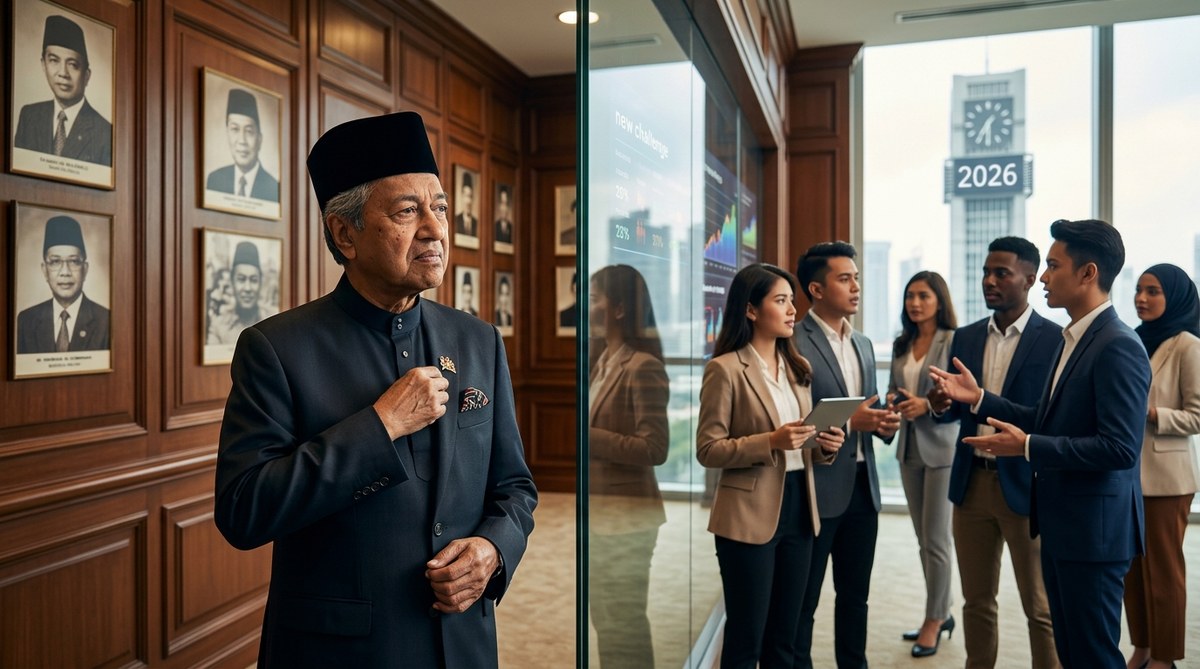
Younger Malaysians are increasingly active in politics and social movements. Their voices push for reforms and greater accountability. Engaging this demographic effectively can sustain political stability by ensuring policies align with the evolving aspirations of the population.
Practical Steps for Malaysians and Investors to Navigate 2026
To manage the uncertainties and leverage opportunities, consider these steps:
- Stay informed on political developments by following reputable news sources and official government releases. Knowledge is power in a dynamic landscape.
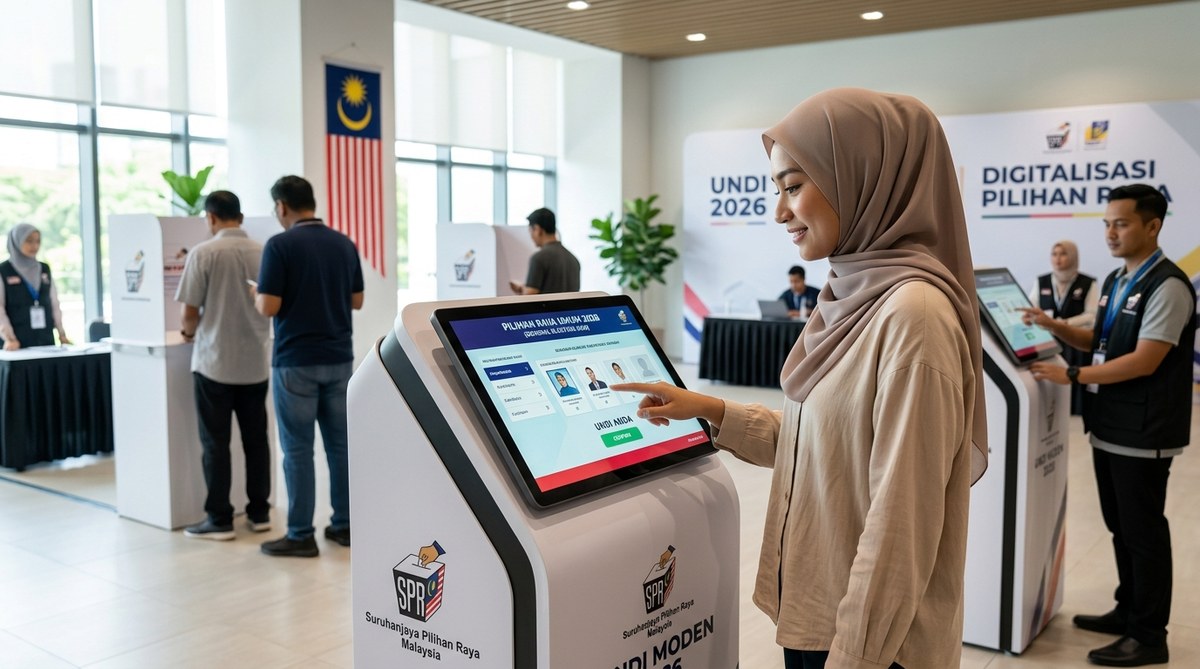
- Engage in civic participation to influence policies that matter to you. Whether through voting or community involvement, active participation strengthens democracy.
- Diversify investments across sectors and regions. Political stability can be unpredictable, so spreading risk is wise.
- Build regional networks to better understand ASEAN dynamics. Regional stability often impacts Malaysia’s internal environment.
- Support social cohesion initiatives by participating in or promoting dialogues that foster understanding among different groups.
Techniques for Maintaining Stability and Avoiding Mistakes
| Techniques | Mistakes to Avoid |
|---|---|
| Promoting inclusive dialogue | Ignoring social tensions |
| Building transparent institutions | Overlooking regional influences |
| Encouraging youth participation | Neglecting the importance of social cohesion |
| Diversifying economic policies | Relying solely on external factors |
| Strengthening regional alliances | Underestimating internal divisions |
An expert from the Malaysian Institute of Political Studies advises, “Proactive reforms and openness to dialogue are key to sustaining Malaysia’s political stability in 2026. Citizens and policymakers must work together to address emerging challenges early.”
The Road Ahead for Malaysia
While Malaysia’s political stability in 2026 appears promising, it is not immune to risks. Social tensions, economic shocks, or regional conflicts could test the resilience built over recent years. However, Malaysia’s history of adaptation and reform suggests it is well-positioned to navigate these hurdles.
Investors should remain vigilant, monitoring policy signals and regional developments. Citizens can contribute by staying engaged and advocating for inclusive policies. Expatriates, meanwhile, benefit from understanding the evolving landscape to make informed decisions about their stay and investments.
Embracing a Resilient Future in Malaysia
Looking beyond 2026, Malaysia’s commitment to reform and social unity will determine its trajectory. The nation’s ability to maintain political stability hinges on continuous dialogue, transparent governance, and regional diplomacy. Citizens and stakeholders play vital roles in shaping this future.
By staying informed and actively participating, Malaysians can ensure the country remains resilient and prosperous. The year ahead offers opportunities for consolidation and growth—if everyone works together to uphold the foundations of stability.
Keeping Malaysia steady in uncertain times
A stable Malaysia in 2026 depends on proactive governance and social cohesion. Citizens, investors, and policymakers all have a part to play. Staying engaged and adaptable will help everyone navigate the evolving landscape confidently. Remember, resilience is built together, one step at a time.






Leave a Reply