
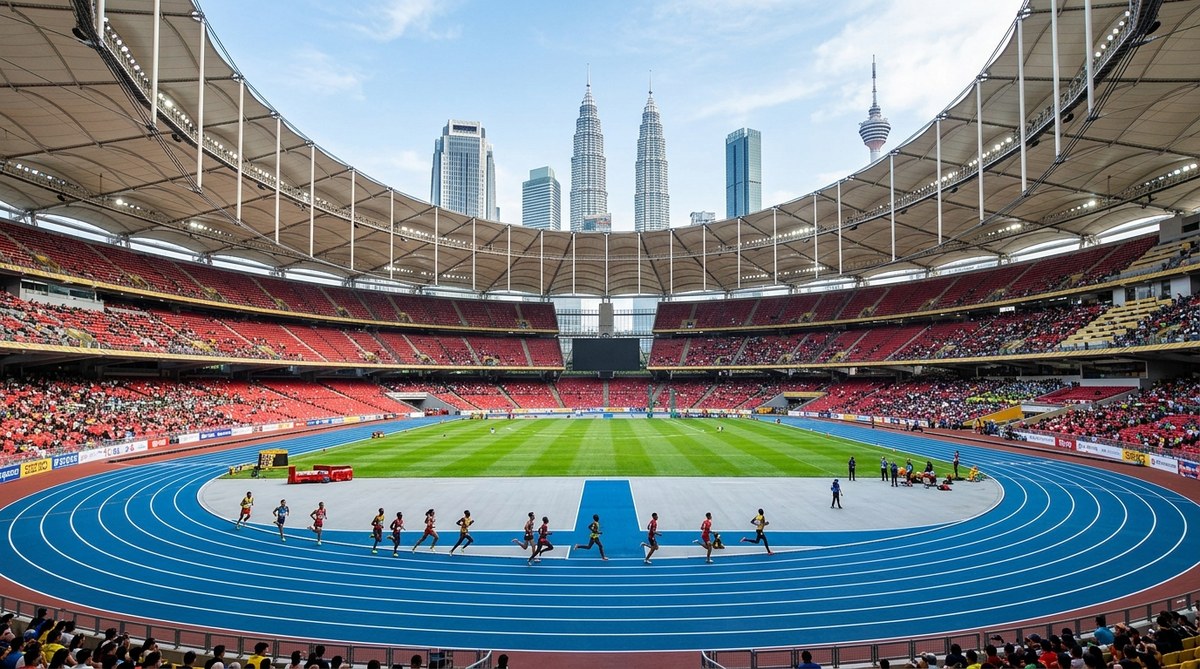
Malaysia is stepping up its game in the world of sports. With a clear vision to host global competitions and elevate its sporting standing, the nation is investing heavily in developing top-tier sports infrastructure. This drive isn’t just about winning medals; it’s about building a legacy that benefits athletes, communities, and the economy alike. As Malaysia gears up for major international events, understanding the country’s sports infrastructure development efforts becomes more important than ever.
Malaysia’s sports infrastructure development is a strategic move to attract global competitions, boost athlete performance, and stimulate economic growth through modern facilities and innovative projects.
Malaysia’s commitment to sporting excellence
Malaysia’s ambition to become a prominent sporting hub in the region has driven a comprehensive approach to upgrading its sports infrastructure. The focus is on creating world-class venues that meet international standards, fostering local talent, and promoting sports tourism. This initiative aligns with the country’s broader goal of enhancing national pride and creating economic opportunities through sports.
Major developments in Malaysia’s sports infrastructure
Over recent years, Malaysia has launched several key projects aimed at transforming its sports landscape. These include the construction of new stadiums, sports complexes, and training facilities that cater to both local and international events. Notable projects include the Bukit Jalil National Stadium expansion and the development of regional sports hubs in states like Johor and Sarawak.
Building a network of regional sports hubs
To decentralize sports excellence, Malaysia is establishing regional sports hubs across the country. These hubs serve multiple purposes, from hosting local competitions to training elite athletes. They also act as catalysts for sports tourism, bringing visitors from abroad and boosting local economies.
Upgrading existing facilities
In addition to new developments, existing venues are undergoing modernization. Upgrades include installing state-of-the-art equipment, improving accessibility, and ensuring sustainability. These improvements are crucial for meeting the standards required for hosting events like the SEA Games, Asian Games, and even the Olympics.
Focus on sustainable and smart infrastructure
Malaysia is also embracing sustainability by integrating green technologies into its sports facilities. Solar-powered stadiums, water-saving systems, and eco-friendly materials are becoming standard. Smart infrastructure, including advanced lighting, climate control, and digital ticketing, enhances the spectator experience and operational efficiency.
How Malaysia plans to attract international events
To host global competitions successfully, Malaysia is actively engaging with international sports organizations. The government is investing in bid preparations, marketing, and infrastructure readiness. For example, Malaysia’s recent bids for the 2027 Southeast Asian Games demonstrate its commitment to becoming a regional sports destination.
Practical steps for hosting international events
- Assess infrastructure needs: Evaluate existing facilities and identify gaps.
- Invest in key venues: Prioritize venues that meet international standards.
- Develop supporting infrastructure: Improve transportation, accommodations, and security.
- Engage stakeholders: Collaborate with sports organizations, sponsors, and local communities.
- Promote Malaysia’s sports offerings: Use marketing campaigns to highlight Malaysia as a sports hub.
Key techniques and common mistakes in infrastructure development
| Techniques | Mistakes to Avoid |
|---|---|
| Conduct thorough needs assessments | Rushing projects without feasibility studies |
| Incorporate sustainable features | Overlooking environmental impacts |
| Engage local communities in planning | Ignoring stakeholder input |
| Use innovative construction methods | Relying solely on traditional designs |
| Plan for long-term maintenance | Focusing only on short-term costs |
The economic and social impact of sports infrastructure
Investing in sports infrastructure brings multiple benefits beyond medals and trophies. It creates jobs during construction and operation, attracts tourism, and fosters community engagement. Well-designed venues can transform a city’s image and generate lasting economic activity.
“Modern sports facilities are catalysts for urban renewal and economic diversification,” says sports economist Dr. Lim Wei Ming. “They serve as platforms for community cohesion and international recognition.”
Practical processes for Malaysia’s sports infrastructure development
- Identify strategic locations based on population density, accessibility, and regional needs.
- Secure funding and partnerships from government, private sector, and international bodies.
- Design with future needs in mind, ensuring scalability and adaptability.
- Implement rigorous project management to stay on schedule and budget.
- Monitor and evaluate post-completion to ensure facilities meet intended goals.
Engaging stakeholders for sustainable growth
Key players include policymakers, sports associations, private investors, and local communities. Building a shared vision ensures infrastructure aligns with national goals and community needs. Public-private partnerships are especially vital for funding and operational expertise.
- Regular consultation meetings
- Transparent planning processes
- Focused outreach to local communities
- Incentives for private sector involvement
Malaysia’s journey towards hosting major global events
Malaysia’s recent investments and strategic planning show a clear path forward. The country aims to host more international competitions, including the Asian Games and Commonwealth Games, by continuously upgrading its infrastructure. These efforts not only elevate Malaysia’s sporting profile but also foster unity and pride among Malaysians.
The importance of innovative techniques and avoiding pitfalls
To maximize the benefits of sports infrastructure development, Malaysia must adopt best practices. Incorporating technology, focusing on sustainability, and engaging stakeholders help avoid costly mistakes. Recognizing potential pitfalls early ensures projects deliver long-term value.
Common mistakes in infrastructure projects
| Technique | Mistake to avoid |
|---|---|
| Overlooking environmental factors | Building in flood-prone areas |
| Underestimating maintenance costs | Cutting corners on quality |
| Ignoring community needs | Creating unused or abandoned venues |
| Rushing construction | Compromising safety standards |
| Neglecting future scalability | Locking in outdated designs |
Embracing Malaysia’s sports future
Malaysia’s focused efforts in sports infrastructure development strengthen its position on the global stage. By investing wisely, fostering innovation, and engaging communities, the nation can host more prestigious events and inspire its athletes. The journey is ongoing, but the foundation is solid.
A warm outlook for Malaysia’s sporting pursuits
As Malaysia continues to develop its sports infrastructure, opportunities abound for athletes, investors, and communities. With each new facility and event, the country moves closer to becoming a true sporting destination. Supporting these initiatives can help turn aspirations into achievements, creating a legacy that lasts for generations.
By focusing on strategic planning, sustainable development, and stakeholder collaboration, Malaysia is paving the way for a vibrant sporting future. Whether you are an enthusiast, policymaker, or investor, staying informed about these developments helps you contribute to Malaysia’s rise as a sporting powerhouse.


Leave a Reply