
The tap runs dry in Selangor, but the water flows through pipes owned by a federal agency. This contradiction sits at the heart of a growing political struggle. Water, the most basic necessity, has become a weapon in Malaysia’s state versus federal fight. For years, the management of water resources has been a quiet source of tension. Now, in 2026, it is a full blown battleground. Policy analysts, researchers, and everyday Malaysians are starting to realize that whoever controls the water, controls the future of the nation.
Water politics in Malaysia is no longer just about pipes and tariffs. It is a core issue of federalism. States like Selangor, Kelantan, and Sabah are using their constitutional authority over water to challenge federal power. This creates a fragmented system where national water security is compromised. Understanding this conflict is essential for anyone following Malaysia’s political future in 2026.
Why Water Became a Political Weapon
Water in Malaysia is not like other utilities. The Federal Constitution places water under the State List. This means each state has the right to manage its own water resources, rivers, and catchments. The federal government, however, holds power over finance, loans, and large infrastructure projects. This split creates a natural conflict.
When a state like Selangor controls its own water supply, it can resist federal policies. When the federal government wants to build a dam to supply water to multiple states, it needs state cooperation. If the state disagrees, the project stalls. This tug of war is not new, but it has become more intense since 2023.
Recent droughts and floods have made water scarcity a national concern. The federal government wants a centralized approach to ensure all states have enough water. States, especially those ruled by opposition parties, see this as a power grab. They argue that the federal government wants to take away their constitutional rights.
The Selangor Standoff
Selangor is the richest state in Malaysia. It also has the most complex water politics. The state government has its own water company, Pengurusan Air Selangor (Air Selangor). The federal government owns a separate entity, the National Water Services Commission (SPAN). For years, these two bodies have clashed over tariffs, pipe maintenance, and new projects.
In 2025, a major dispute erupted when the federal government tried to force Selangor to accept a new pricing model. The state refused. It argued that the federal model would raise water bills for its residents. The federal government countered that Selangor’s low tariffs were causing underinvestment in infrastructure. This standoff delayed upgrades to aging pipes, leading to more water cuts in Kuala Lumpur and surrounding areas.
This conflict is not just about money. It is about power. Selangor is a key state for the federal opposition. By controlling water, the state government can show its voters that it is standing up to Putrajaya. This makes water a symbol of state autonomy.
The Sabah and Sarawak Factor
East Malaysia adds another layer to this battle. Sabah and Sarawak have always demanded greater autonomy from the federal government. Water is a central part of that demand. Both states have vast water resources, but they lack the funding to build proper treatment plants and distribution networks.
The federal government offers grants and loans for water projects. But these funds often come with conditions. Sabah and Sarawak leaders argue that these conditions are a way for the federal government to control their resources. In 2026, this tension is rising. Sabah has threatened to take over the management of all water assets within its borders, a move that would challenge federal authority directly.
For researchers tracking Malaysia water politics state federal control, East Malaysia is the region to watch. The outcome of these negotiations could set a precedent for the entire country.
A Practical Look at How Water Governance Works
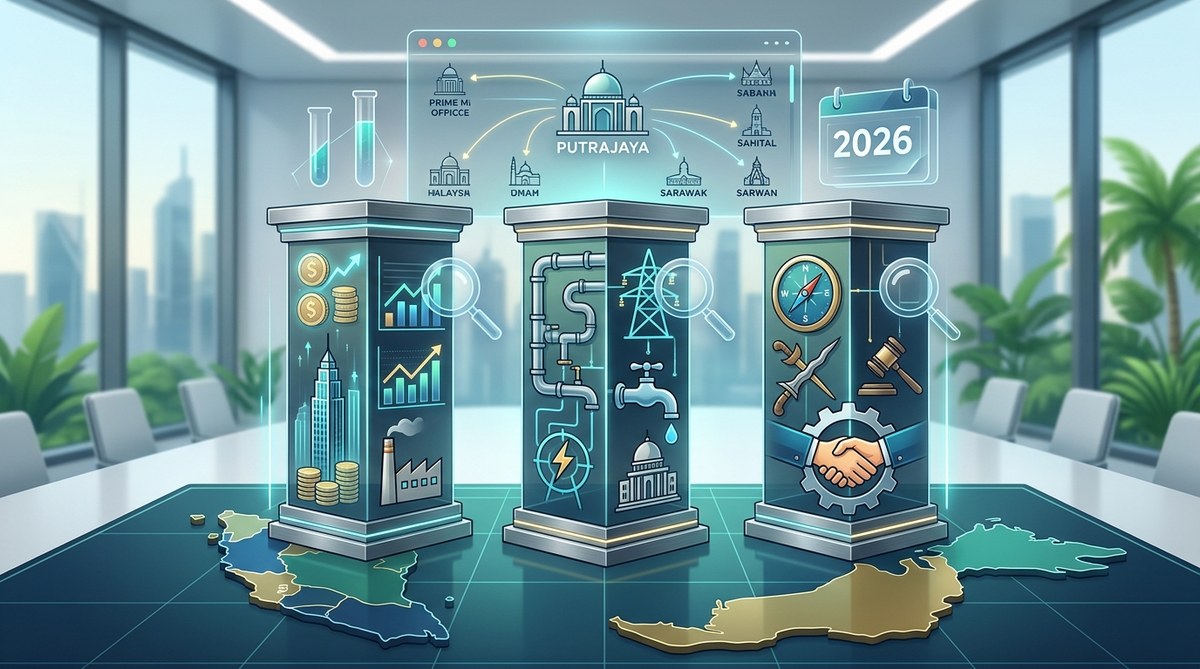
To understand the conflict, you need to know the process. Here is a simplified look at how water governance functions in Malaysia today.
- State Authority: Each state owns the water resources within its borders. The state government sets tariffs and manages the water operator.
- Federal Regulation: SPAN sets national standards for water quality and service. It also approves tariff hikes above a certain level.
- Funding Gap: States often lack the capital for major upgrades. They apply to the federal government for loans or grants.
- Political Negotiation: The federal government uses funding as leverage. It may demand policy changes or structural reforms in exchange for money.
- Conflict or Cooperation: If the state and federal government are from the same political coalition, deals are easier. If they are from opposing sides, the process stalls.
This system is designed for cooperation. But in a politically divided Malaysia, it has become a tool for conflict.
Common Missteps in Water Policy
Both state and federal governments have made mistakes. Here is a table that shows the common errors and their consequences.
| Mistake | Who Makes It | The Result |
|---|---|---|
| Using water projects as political rewards | Federal government | States that are politically aligned get better funding, creating inequality. |
| Refusing to raise tariffs for decades | State governments | Underinvestment leads to pipe bursts and water cuts, angering the public. |
| Ignoring environmental sustainability | Both | Over extraction of rivers leads to water shortages during dry seasons. |
| Lack of data sharing between states | State governments | Neighbouring states cannot plan for water sharing during emergencies. |
| Imposing top down solutions | Federal government | States resist and delay implementation, wasting time and money. |
These missteps are not technical failures. They are political choices. And they affect every Malaysian.
What Experts Are Saying
“The constitution was written in a time when water was abundant. Today, it is a scarce resource. We cannot manage a 21st century problem with a 20th century legal framework. The federal government and the states must sit down and rewrite the rules of engagement. Until then, water will remain a political football.”
Professor Datin Seri Faridah Abdul Rahman, water governance specialist at Universiti Malaya
This quote captures the core issue. The legal framework is outdated. The political will is lacking. And the people are suffering the consequences.
The Role of Climate Change
Climate change is making this political battle more dangerous. Malaysia is experiencing more extreme weather. Longer dry spells lead to water rationing. Intense rains cause floods that contaminate water sources. The federal government argues that only a centralized system can respond to these national emergencies. States argue that local knowledge is better for managing local resources.
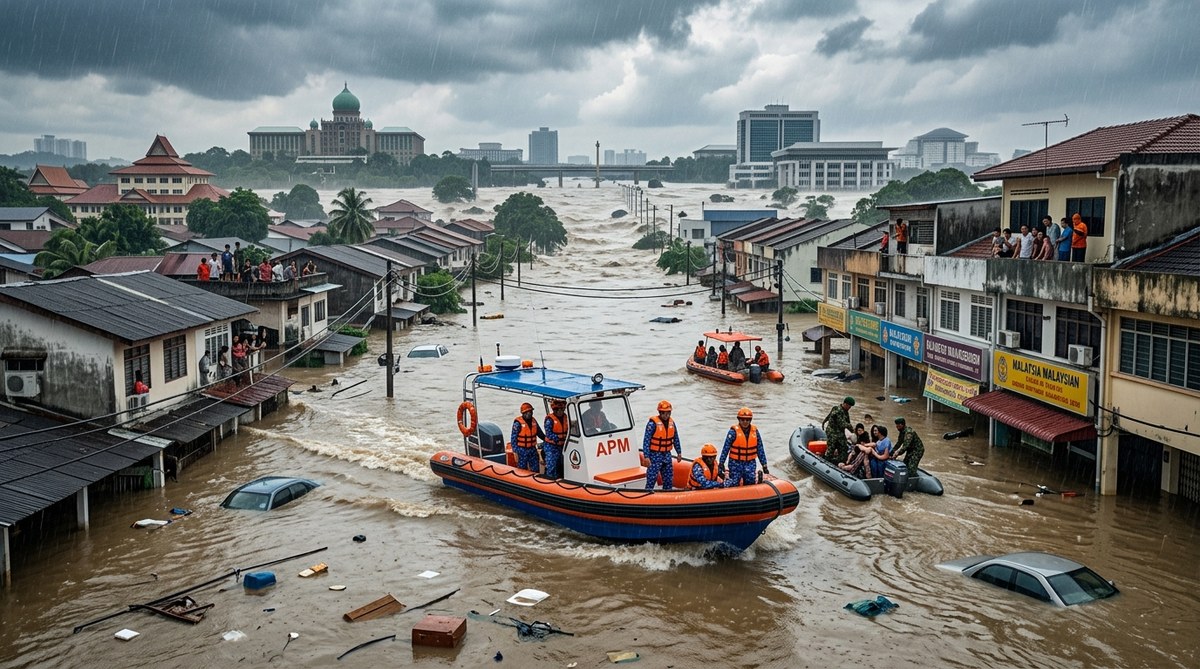
In 2026, the flood season is already testing this system. States like Kelantan and Terengganu have faced severe flooding. The federal disaster response has been criticized as slow. State governments have used this to argue that they need more control over water management, not less.
For a deeper look at how these events are reshaping governance, read our analysis on how the 2026 flood season is testing Malaysia’s federal disaster response.
What This Means for the Average Malaysian
You might think this is a policy debate for academics. It is not. It affects your water bill. It affects the reliability of your supply. It affects the cleanliness of the water you drink.
- If your state is in conflict with the federal government, you may see delayed repairs and higher tariffs.
- If your state cooperates, you may get better service but less local control.
- If you live in a state like Selangor, you are already living with the consequences of this political deadlock.
Understanding Malaysia water politics state federal control helps you understand your own daily life. It also helps you vote. In the next state elections, water policy will be a major issue. Candidates will promise to fight for your water rights. You will now know what that promise really means.
A New Path Forward
Some experts suggest a third way. Instead of state or federal control, they propose a shared governance model. This would involve a joint body made up of state and federal representatives. This body would manage large river basins and cross border water projects. It would take the politics out of water management.
This model has been tried in other federal countries like Australia and Brazil. It is not perfect, but it reduces conflict. In Malaysia, it would require both sides to give up some power. That is a hard sell. But as water becomes scarcer, the pressure to find a solution will only grow.
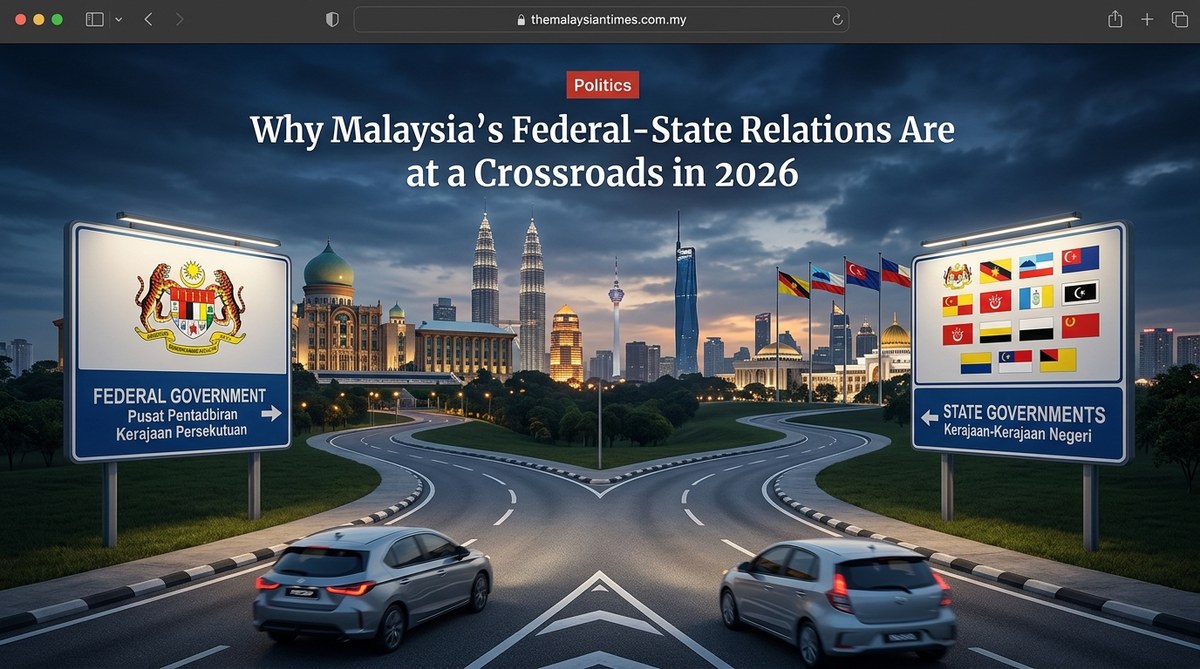
To understand how these power dynamics are shifting, you can read our piece on why Malaysia’s federal state relations are at a crossroads in 2026.
The Real Cost of Deadlock
The biggest cost of this political battle is not money. It is time. Every year of deadlock means another year of aging pipes. Another year of polluted rivers. Another year of water rationing during the dry season. The federal government and the states are playing a dangerous game. The loser is the Malaysian public.
For policy analysts, this is a case study in federalism gone wrong. For political science researchers, it is a perfect example of how resource control shapes power. For the average Malaysian, it is a reminder that politics is not just about elections. It is about the water that comes out of your tap.
Water as the Ultimate Test of Federalism
Water politics in Malaysia is not a side issue. It is the ultimate test of whether the federal system can work. If the federal government and the states cannot cooperate on something as basic as water, how can they cooperate on healthcare, education, or climate change?
This is the question that will define Malaysian governance in the coming years. The answer will determine whether Malaysia remains a collection of squabbling states or becomes a united nation capable of facing its challenges. For now, the water wars continue. But understanding the battle is the first step to ending it.
The next time you turn on your tap, think about the politics behind it. Think about the state officials and federal ministers who are fighting over every drop. And think about what you can do to demand a better system. Your voice matters. Use it.

Leave a Reply