
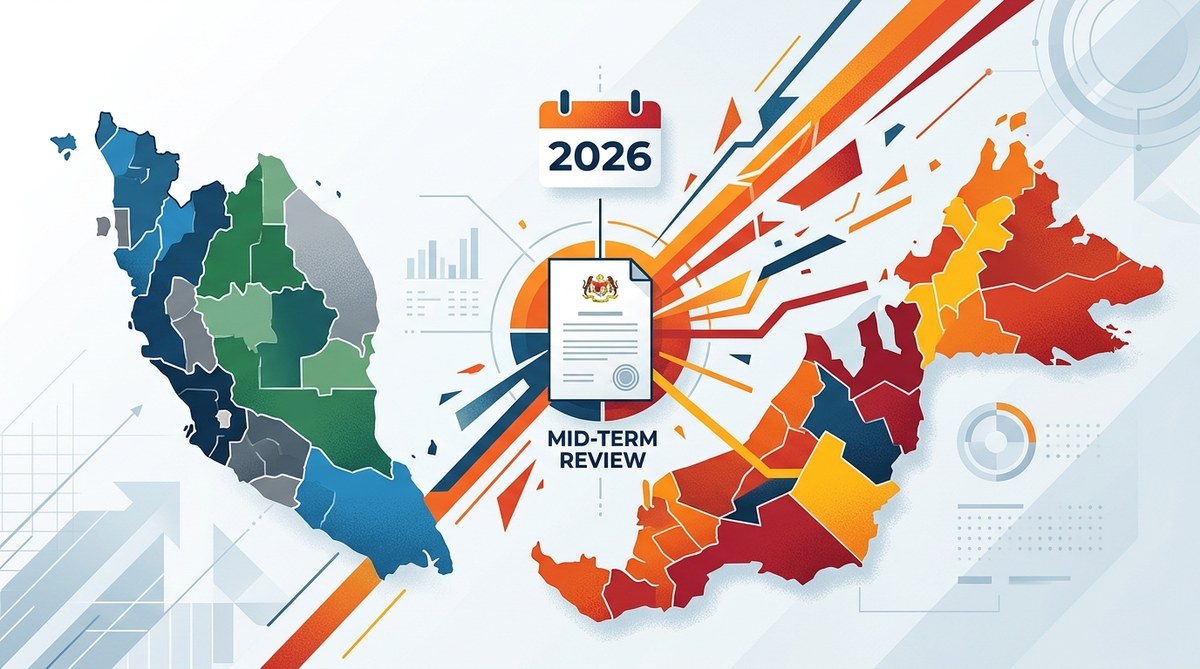
The midday heat in Kuala Lumpur feels heavier this year. It is not just the weather. A quiet tension hangs over the political scene as Malaysia moves toward a pivotal moment. The 2026 mid-term review is not merely a bureaucratic checkpoint. It is a moment where the stability of the current government, the strategies of the opposition, and the mood of the electorate could all shift at once. For anyone tracking the country’s direction, this review is the most important political event before the next general election.
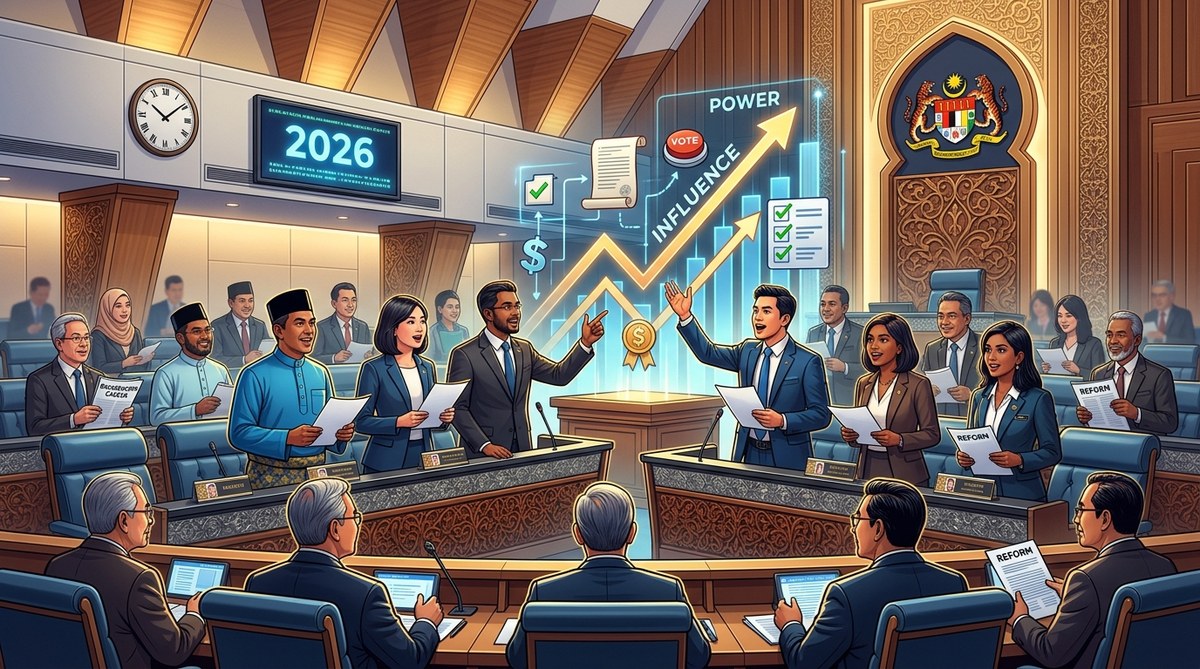
The 2026 mid-term review is more than a performance check. It acts as a stress test for the unity government, a signal for potential early elections, and a chance for the opposition to reframe its message. For voters and analysts, understanding the review’s impact means watching three things: coalition discipline, economic data, and shifts in Malay-majority seats.
Why This Review Matters More Than Usual
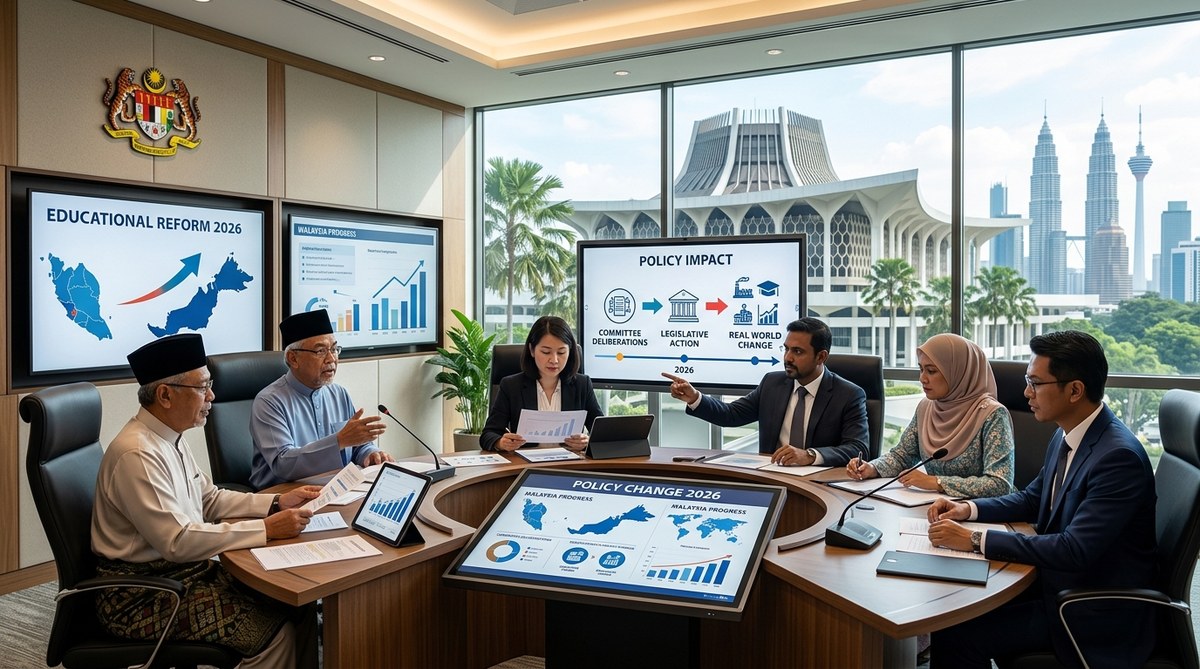
Every government undergoes a mid-term review. But in Malaysia’s current climate, the stakes are higher. The unity government, led by Anwar Ibrahim, is a coalition of unlikely partners. Pakatan Harapan and Barisan Nasional share power, but they do not always share trust. The mid-term review will reveal whether this marriage of convenience can survive the pressures of governance.
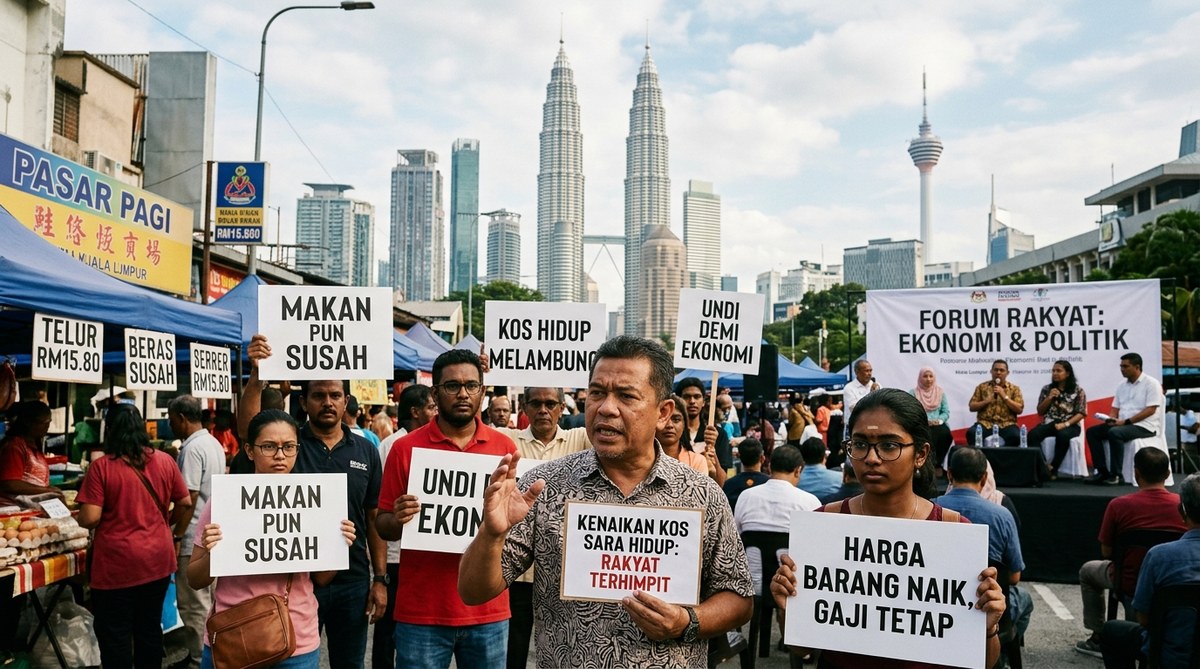
The review is also happening against a backdrop of economic strain. The ringgit’s performance, subsidy rationalisation, and the cost of living are front-of-mind for voters. If the review highlights weak delivery on promises, it could weaken the government’s position. If it shows progress, it could strengthen Anwar’s hand in calling an early poll.
For the opposition, led by Perikatan Nasional, the review is a chance to sharpen its attack lines. They will frame the review as a report card on a failed government. The battle lines are being drawn not just in Parliament, but in the hearts of voters in Kedah, Kelantan, and Selangor.
How the Mid-Term Review Could Reshape Alliances
The review does not happen in a vacuum. It will force each party to show its hand. Here are three ways it could redraw the political map.
1. Testing the Unity Government’s Internal Peace
The partnership between PH and BN is fragile. The mid-term review will demand difficult policy decisions. On issues like the MAHB takeover or the PDRM reform, cracks could appear. If one side feels the other is getting too much credit, the coalition could fray.
2. Giving the Opposition a New Narrative
Perikatan Nasional has struggled to maintain momentum since the last election. The mid-term review gives them a fresh angle. They can point to any shortfall in the government’s targets and say, “We told you so.” This could energise their base in the northern states.
3. Empowering Sabah and Sarawak
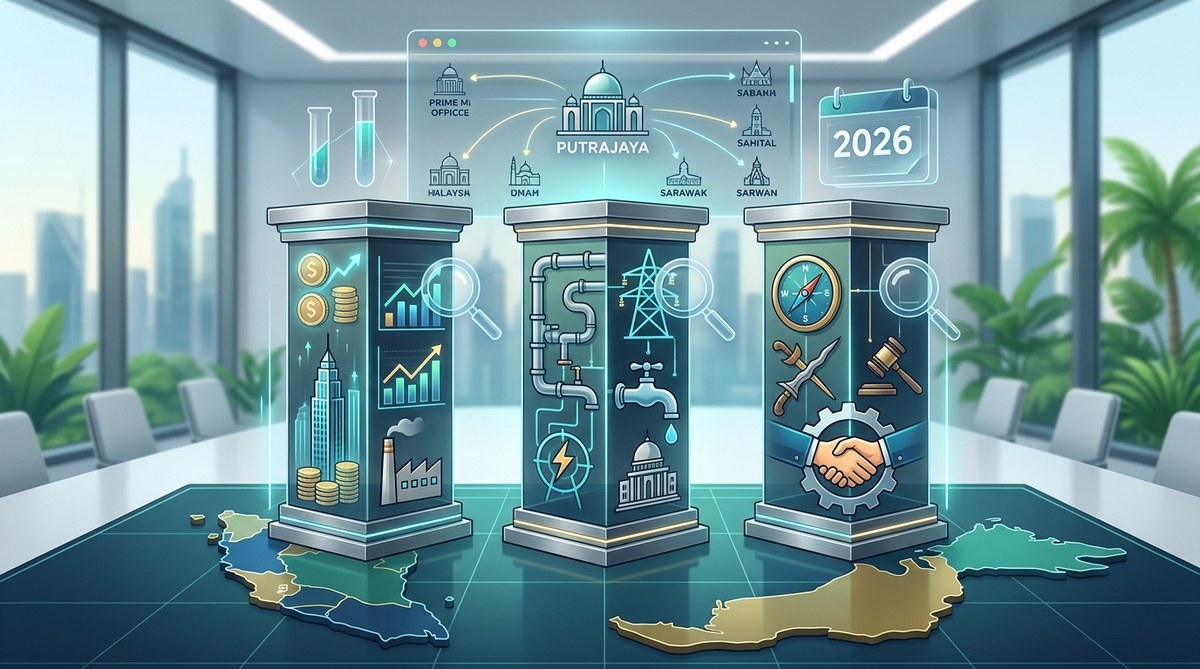
The Borneo bloc has become a kingmaker. Their support is crucial for the government’s survival. The review will test whether Putrajaya has kept its promises on the Malaysia Agreement 1963 (MA63). If Sabah and Sarawak feel neglected, they could shift their allegiance. This is a key variable to watch.
A Practical Guide to Watching the Review
For journalists and analysts, the mid-term review is a live event. Here is a step-by-step way to track its impact.
-
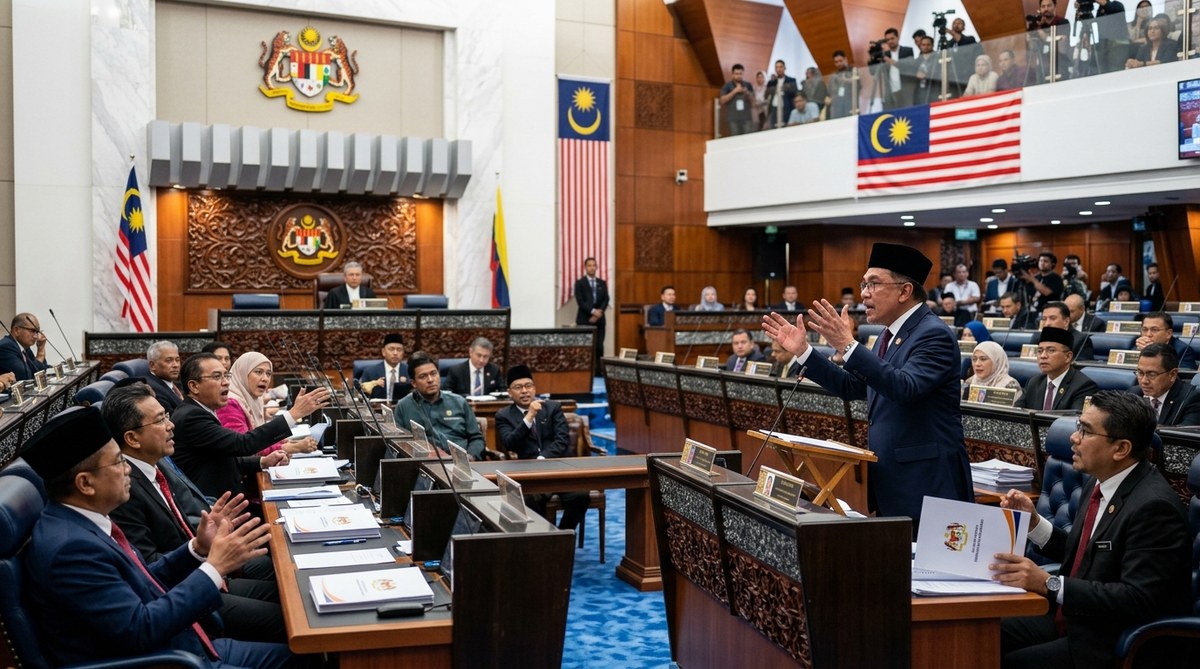
Watch the parliamentary debates. The review will be presented in the Dewan Rakyat. Pay attention to the questions from backbenchers. Their tone often reveals hidden tensions.
-
Track the economic indicators. The government will release updated GDP, inflation, and employment figures. Compare them to the targets set in the 2023 budget. A miss on key metrics will be weaponised by the opposition.
-
Monitor the by-elections. Any by-elections held during or right after the review period will be a real-time referendum on the government’s performance. The results in seats like Pulai or Kemaman could signal a wider trend.
-
Read the party statements. Each coalition will issue a formal response. Look for changes in language. If a party uses harsher words than usual, it might be preparing to break away.
Key Factors That Will Decide the Outcome
The review’s political impact depends on several factors. Here is a breakdown of what matters most.
| Factor | Why It Matters | What to Watch |
|---|---|---|
| Coalition discipline | Determines if the government can pass key bills | Voting patterns on the review motion |
| Economic performance | Shapes voter perception of government competence | Ringgit value, inflation rate, job data |
| Opposition messaging | Defines the narrative for the next election | Unity of PN’s leadership, clarity of attacks |
| Sabah and Sarawak stance | Could tip the balance of power | Statements from GPS and GRS leaders |
| Public sentiment | Reflects the mood outside the political bubble | Social media trends, street protests, media polls |
“The mid-term review is the moment when promises meet reality. For the unity government, it is a test of whether they can govern together. For the opposition, it is a test of whether they can offer a credible alternative.” — Political analyst Dr. Wong Chin Huat, speaking at a recent forum in Petaling Jaya.
What This Means for the Next General Election
The review will set the stage for GE16. If the government emerges stronger, Anwar may call for an early election in 2027. If the review exposes deep fractures, the opposition could push for a no-confidence vote.
The key battleground will be the Malay-majority seats. Perikatan Nasional has made inroads in these areas. The government needs to show it can deliver for the Malay heartland. The review’s findings on rural development, education, and healthcare will be crucial.
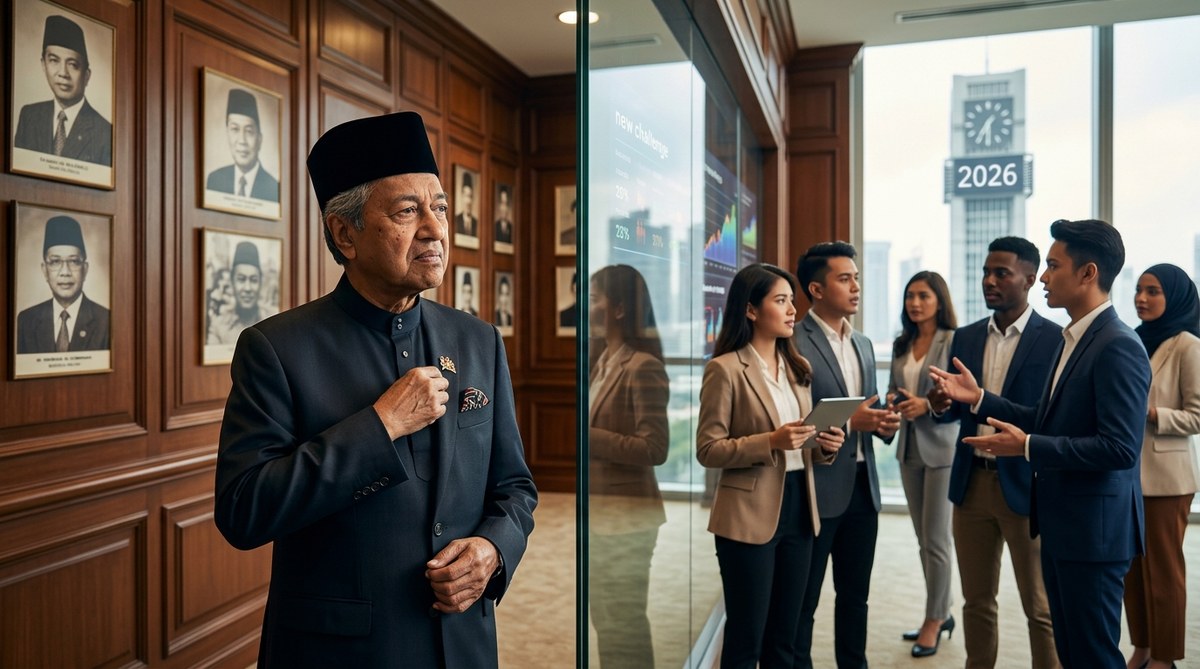
For younger voters, the review is a chance to see if the government is serious about reform. Issues like the Anti-Party Hopping Law, the IPCMC, and the decentralisation of power are still unresolved. If the review ignores these, it could alienate the youth vote.
The Role of Digital Campaigns in Shaping the Narrative
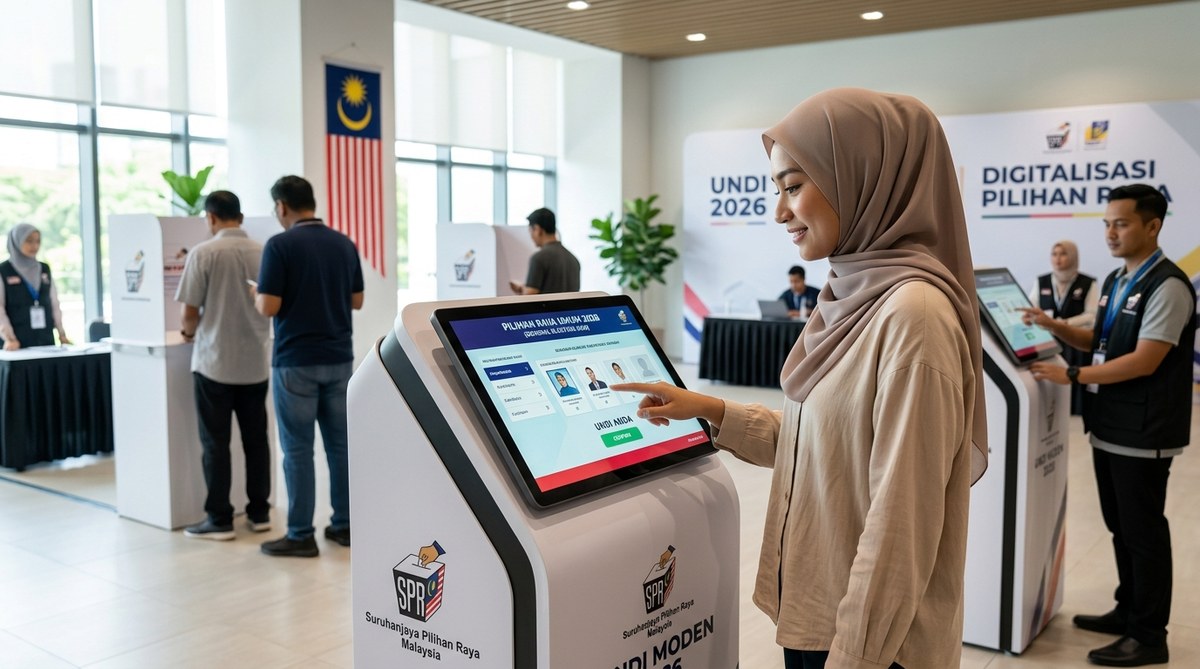
In 2026, the battle for public opinion is fought online. Both sides will use the mid-term review as content for their digital campaigns. The government will produce infographics showing progress. The opposition will release videos highlighting failures.
Social media platforms like TikTok and X (formerly Twitter) will be flooded with clips from the parliamentary debate. Influencers aligned with each camp will spin the narrative. For voters, this means the truth will be harder to find. Critical thinking and cross-referencing sources will be essential.
If you want to understand how these digital strategies are evolving, read our analysis on how Malaysia’s political parties are using digital campaigns in 2026. It offers a closer look at the tactics behind the memes.
Why Voters Should Pay Attention
This is not just a game for politicians. The mid-term review affects your daily life. It determines whether fuel subsidies will be cut. It influences whether your child’s school gets funding. It shapes the stability of the country you live in.
For engaged voters, the review is a chance to hold leaders accountable. Read the review document when it is released. Compare the promises made in 2022 with the results in 2026. Ask your MP tough questions. Democracy works best when citizens are informed.
Preparing for the Post-Review Landscape
After the review, the political landscape will look different. Some alliances will strengthen. Others will weaken. The opposition will either gain momentum or lose direction.
Here are three scenarios to consider.
-
Scenario A: Strong government, weak opposition. The review shows solid progress. The unity government consolidates power. Perikatan Nasional struggles to find a unified message. Anwar calls an early election and wins a stronger mandate.
-
Scenario B: Weak government, strong opposition. The review reveals missed targets and internal bickering. The opposition capitalises on public discontent. Confidence in the government erodes. A no-confidence motion becomes a real possibility.
-
Scenario C: Stalemate. The review is inconclusive. Both sides claim victory. The political situation remains frozen until the next election. Voters grow more cynical and disengaged.
The Bigger Picture for Malaysia
The 2026 mid-term review is a mirror for Malaysian democracy. It shows whether the system of checks and balances is working. It tests whether coalition politics can deliver stability. It reveals whether the opposition can be a constructive force.
For analysts and journalists, this is the story of the year. The review will generate data, quotes, and drama. It will test every assumption we have about the current political order.
For a deeper look at the forces shaping this moment, check out our piece on how Malaysia’s civil service reform is redefining governance in 2026. It connects the mid-term review to the broader bureaucratic changes happening behind the scenes.
What Comes Next
The mid-term review is not the end. It is a beginning. It sets the tone for the next two years of Malaysian politics. The decisions made in the review’s aftermath will determine the shape of the next election.
For now, the best thing you can do is stay informed. Watch the debates. Read the reports. Talk to your friends and family about what you learn. Malaysian politics is unpredictable, but it does not have to be confusing.
The review is a chance to see the future before it happens. Do not look away.
Watching the Battle Lines Shift
The phrase “battle lines being redrawn” is not just a metaphor. It describes a real process of negotiation, betrayal, and realignment. The mid-term review is the catalyst for that process.
In the coming months, we will see parties test new alliances. We will see leaders rise and fall. We will see the issues that matter most to Malaysians take centre stage.
If you want to understand how these shifts affect the balance of power, read our analysis on how Malaysia’s state elections will reshape federal politics in 2026. It connects the local contests to the national drama.
The 2026 mid-term review is your guide to the future of Malaysian politics. Pay attention. Ask questions. Stay engaged. The country’s direction depends on it.



Leave a Reply