

For years, the phrase “public procurement” in Malaysia carried a heavy weight. It often meant inflated project costs, closed-door negotiations, and contracts that seemed to benefit a select few. But something shifted in 2026. The reforms currently passing through Parliament are not just technical tweaks. They represent a genuine meeting of minds across the political aisle. Policy analysts in Kuala Lumpur and Jakarta are taking notice. Even seasoned journalists covering Putrajaya are surprised by the level of cooperation.
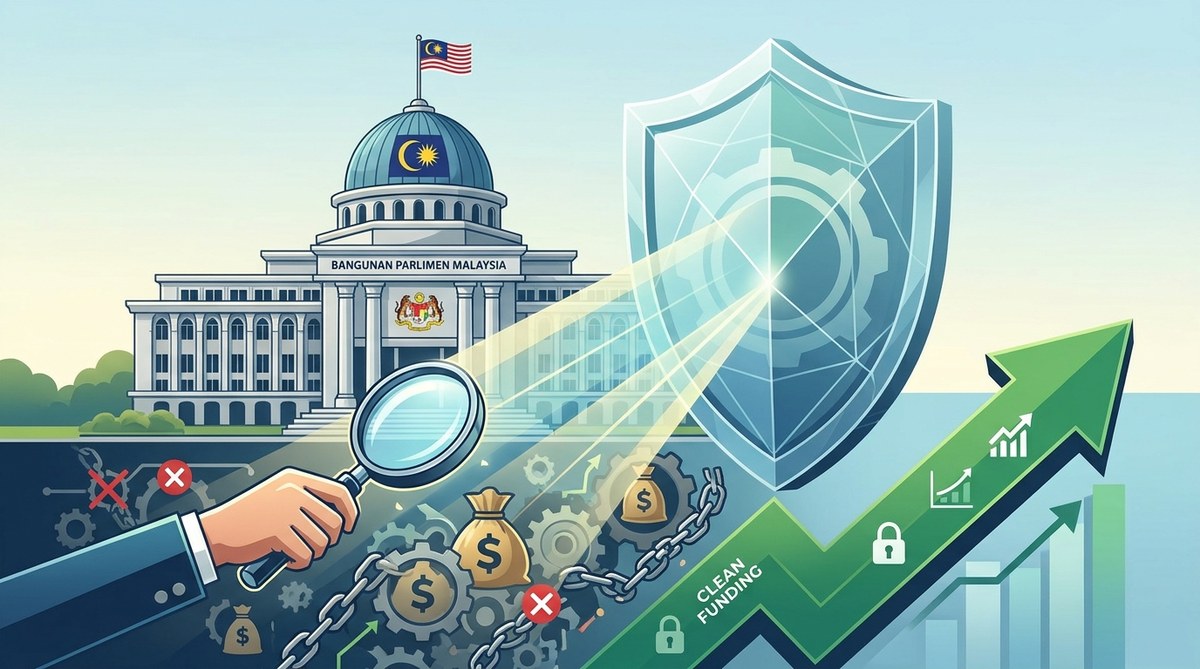
Malaysia’s 2026 public procurement reforms introduce open tendering, a central e-procurement database, and mandatory integrity pacts for all projects above RM500 million. The changes have gained bipartisan support because they reduce political interference, save taxpayer money, and align with global anti-corruption standards. This is not a small policy update. It is a structural shift in how the government spends public funds.
Why procurement reform matters more than ever
Malaysia spends a significant portion of its federal budget on goods and services. From building highways to buying medical supplies, the government is the country’s largest single buyer. When that system leaks money through corruption or inefficiency, every Malaysian feels the pinch. Higher project costs mean fewer schools, delayed hospital upgrades, and higher taxes down the line.
The 2026 reforms address this directly. They target three specific pain points that have frustrated both the ruling coalition and the opposition for years.
First, the lack of transparency. Previously, tender documents were hard to access. Smaller companies from Penang or Johor often could not compete because they did not know the rules. The new system mandates that all tender opportunities above a certain threshold must be published on a single, public digital platform.
Second, the issue of political interference. Local councillors and state assemblymen sometimes influenced contract awards for their own supporters. The reforms introduce a “conflict of interest” declaration for all elected officials involved in procurement decisions.
Third, the problem of enforcement. Even when rules existed, they were rarely enforced. The 2026 package creates a dedicated Procurement Oversight Unit with the power to suspend projects and refer cases to the Malaysian Anti-Corruption Commission (MACC).
The three pillars of the 2026 reforms
The reforms are built around three core ideas. Each one has been designed to close a specific loophole that previous governments left open.
-
Mandatory open tendering. All federal procurement above RM500 million must go through an open tender process. No more direct negotiations for mega projects. This applies to infrastructure, IT systems, and defence contracts. The tender documents must be available for at least 60 days to give smaller firms a fair chance to prepare their bids.
-
Central e-procurement database. Every government ministry and agency must use the same digital system. This database records every stage of the procurement process, from the initial request to the final payment. The data is public. Journalists, civil society groups, and even competing bidders can see who won a contract and why.
-
Integrity pacts for high value projects. For any project valued at RM500 million or more, the winning contractor must sign a legally binding integrity pact. This pact includes clauses on anti-bribery, fair labour practices, and environmental standards. Breaching the pact can lead to blacklisting from future government contracts for up to ten years.
How the political dynamics shifted
The most surprising aspect of these reforms is the bipartisan support. In the past, procurement reform was a political football. The opposition would push for transparency, and the government would resist, fearing it would expose past misdeeds. But 2026 is different.
Several factors explain this change. The current administration has made anti-corruption a central plank of its platform. They see the reforms as a way to build trust with voters who are tired of scandals. At the same time, the opposition has realised that opposing transparency looks bad. They cannot campaign on a “clean government” message while voting against open tenders.
There is also a generational shift. Younger MPs from both sides of the aisle entered Parliament with a mandate to reform the system. They are less tied to the old patronage networks. As one backbencher from Selangor put it recently, “We cannot keep telling young voters that we are different from the old guard if we vote against the very laws that would prove it.”
A practical guide to the new procurement process
If you are a business owner, a journalist, or a policy analyst, here is how the new system works in practice.
-
Step one: Registration. Any company that wants to bid for a federal contract must first register on the central e-procurement portal. The registration process requires basic company information, tax records, and a declaration of any past convictions for corruption or fraud.
-
Step two: Search for opportunities. Once registered, you can search for open tenders by ministry, project type, or budget range. The system sends automatic alerts when a new tender matching your profile is published.
-
Step three: Submit a bid. The tender documents include the full scope of work, evaluation criteria, and a timeline. You submit your bid electronically. The system timestamps your submission to prevent last minute manipulation.
-
Step four: Evaluation and award. A procurement committee evaluates all bids based on the published criteria. The committee’s report is uploaded to the portal within 30 days of the award. If your bid was unsuccessful, you can request a debriefing to understand why.
-
Step five: Monitoring. After the contract is awarded, the project is monitored through the same system. Progress reports, payment milestones, and any variations are recorded. If a contractor fails to meet their obligations, the system flags it automatically.
Common mistakes to avoid in the new system
Even with better rules, people make mistakes. Here are the most common pitfalls that businesses and government officers should watch out for.
| Mistake | Why it happens | How to avoid it |
|---|---|---|
| Incomplete registration | Companies rush to bid without uploading all required documents. | Use the pre-qualification checklist on the portal. Tick every box before submitting. |
| Ignoring the integrity pact | Contractors treat the pact as a formality and do not read the clauses. | Treat the pact as a binding contract. Get legal advice before signing. |
| Late submissions | Bidders wait until the last minute and face technical glitches. | Submit at least 48 hours before the deadline. The system rejects late bids automatically. |
| Poor documentation | Government officers fail to record variations or change orders. | Use the system’s built in change request feature. Do not rely on email or verbal approvals. |
What experts are saying about the reforms
The response from governance experts has been largely positive. Dr. Aisyah Malik, a senior lecturer in public policy at Universiti Malaya, described the reforms as “a genuine step forward.”
“The beauty of these reforms is that they are not just about catching wrongdoers. They are about designing a system that makes wrongdoing harder in the first place. The e-procurement database is the key. It creates an audit trail that cannot be erased. That is a game changer for Malaysia.” Dr. Aisyah Malik, Universiti Malaya.
International observers are also paying attention. The World Bank’s latest procurement report for Southeast Asia highlights Malaysia’s 2026 reforms as a model for other middle income countries. The report notes that the combination of open tendering and digital oversight addresses the two most common sources of leakage in public spending.
The role of civil society and the media
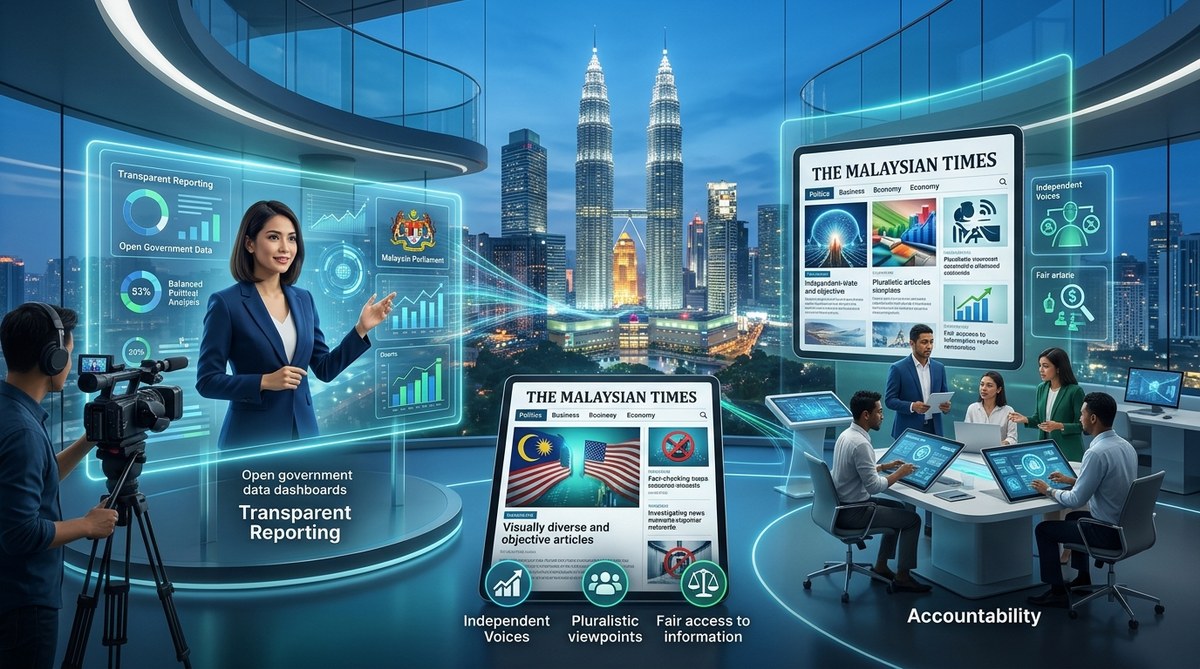
Reforms on paper are not enough. They need active monitoring to succeed. Civil society groups like the Institute for Democracy and Economic Affairs (IDEAS) and the Malaysian Bar Council have already started training their members to use the new e-procurement system.
Journalists covering the beat have a new set of tools as well. They can now request data on contract awards and compare the stated costs with actual project outcomes. This kind of data driven reporting was nearly impossible before 2026.
One early success story came from a local news outlet in Sabah. They used the new database to show that a road construction project in Kota Kinabalu was awarded at a price 40% higher than the average for similar projects in Peninsular Malaysia. The story prompted a review by the MACC.
What this means for the region
Malaysia is not the only country in Southeast Asia trying to fix its procurement system. Indonesia has its own e-procurement platform, and Thailand is experimenting with open contracting. But Malaysia’s 2026 reforms stand out because of the bipartisan buy in.
For analysts in Singapore, Jakarta, and Manila, the Malaysian model offers a lesson. Reform is possible when you focus on systems rather than individuals. Instead of trying to punish every corrupt official, build a system that makes corruption visible. Once the data is public, the political pressure to act becomes almost impossible to resist.
The reforms also strengthen Malaysia’s position in regional trade negotiations. International investors have long cited opaque procurement as a barrier to doing business in Malaysia. The new rules signal that the government is serious about creating a level playing field.
Looking ahead: The next steps
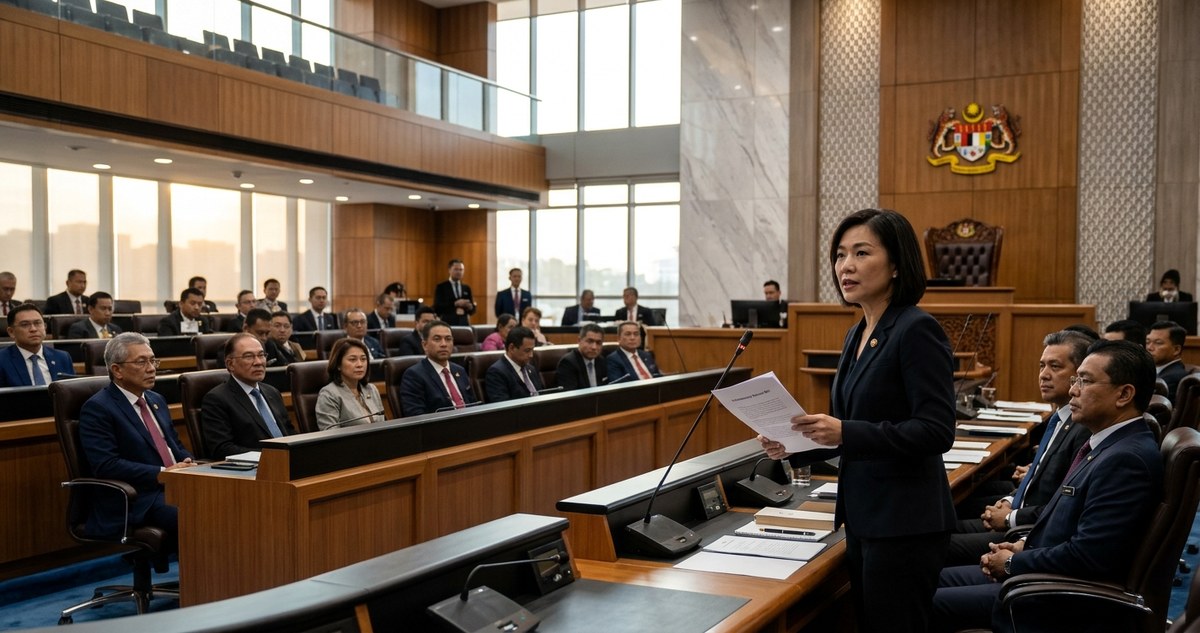
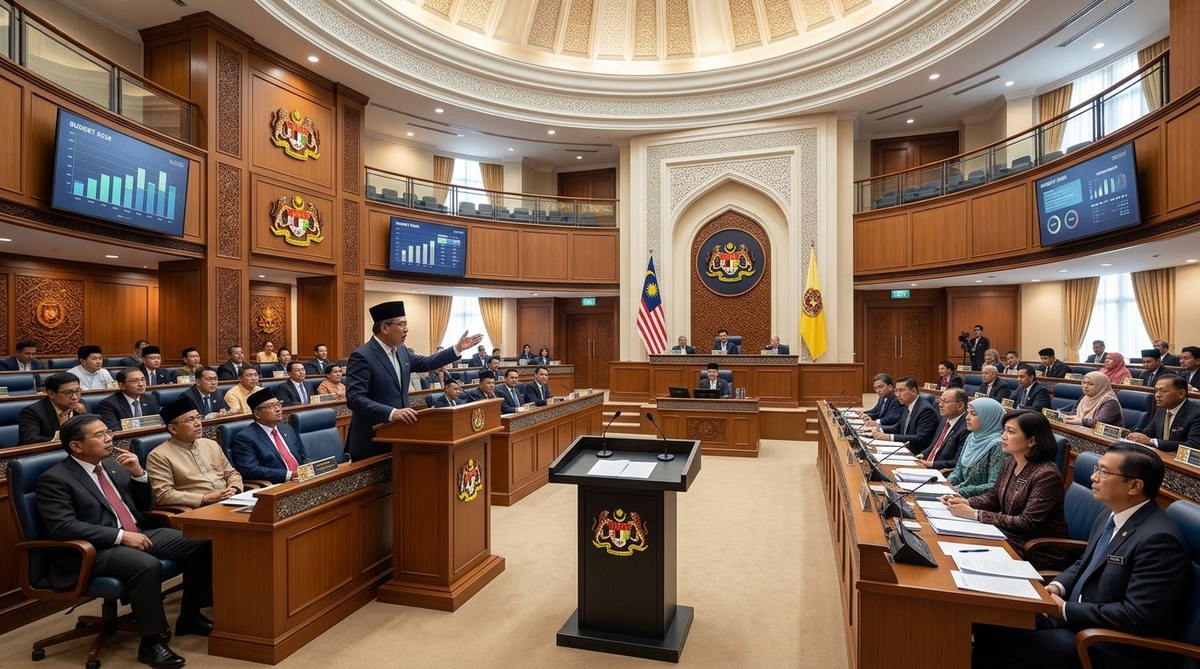
The legislation has passed its first reading in the Dewan Rakyat. The second reading is expected in mid 2026. If it passes, the implementation phase will begin in the third quarter of the year.
The government has announced a six month transition period. During this time, all ministries must migrate their existing procurement records to the central database. A training programme for procurement officers is already underway.
There are still challenges. Some state governments, particularly those controlled by the opposition, have expressed concerns about federal overreach. They worry that the central database will give Putrajaya too much control over state level projects. These tensions are real, and they will need to be managed carefully.
But the overall direction is clear. Malaysia is moving toward a procurement system that is more open, more competitive, and harder to manipulate. That is good news for taxpayers, for honest businesses, and for anyone who believes that public money should serve the public good.
How to stay informed and involved
If you want to follow the progress of the reforms, here are a few practical steps.
-
Follow the Parliamentary Hansard. The debates on the procurement bill are being recorded and published online. Reading the Hansard gives you a direct view of which MPs are supporting the reforms and which are raising objections.
-
Subscribe to the MACC’s public alerts. The commission now publishes monthly updates on procurement related investigations. You can sign up for email notifications on their website.
-
Attend public consultations. The Ministry of Finance has scheduled three town hall sessions in 2026 to gather feedback on the implementation of the reforms. The sessions will be held in Kuala Lumpur, Kuching, and Kota Kinabalu.
-
Read analysis from independent watchdogs. Organisations like IDEAS and Transparency International Malaysia regularly publish briefs on the reforms. Their reports often highlight gaps that the government has missed.
The reforms are still a work in progress. But for the first time in a long time, Malaysia has a procurement system that both sides of the political aisle can support. That is a rare achievement in any democracy. It deserves attention, and it deserves to succeed.
A final thought on trust and accountability
Public procurement is not a glamorous topic. It does not generate the same headlines as a political scandal or a cabinet reshuffle. But it touches every part of daily life in Malaysia. Every road you drive on, every hospital you visit, every school your children attend was built or supplied through a procurement contract.
When that system works well, the country runs better. When it fails, the costs are paid by ordinary Malaysians in the form of higher taxes, poorer services, and eroded trust in government.
The 2026 reforms will not fix everything overnight. There will be implementation hiccups. Some contractors will try to game the new system. Some politicians will resist the loss of patronage. But the direction is right. The architecture is sound. And for the first time, the political will exists to make it stick.
If you are a policy analyst, keep watching this space. If you are a journalist, start using the data. If you are a citizen, pay attention. This is one of those quiet, structural changes that can reshape how a country is governed for a generation.







Leave a Reply